• Fri frakt över 249 kr
  • •
  • Snabba leveranser
  • •
  • Billiga böcker
Kundservice

Du är på sajten för privatpersoner.

Företag, bibliotek eller offentlig verksamhet?

Du handlar på classic.bokus.com, där alla dina funktioner finns intakta.
Till classic.bokus.com
Bokus logotyp. Gå till startsidan.
  • Erbjudanden
  • Nyheter
  • Student
  • Topplistor
  • Barn & ungdom
  • Bokus Play
  • E-böcker
  • Pocketböcker
  • Spel & pussel

10% rabatt på allt med kod: NYSTART10 →

Sidfot

Mina sidor

    Hjälp

    • Kundservice
    • Vanliga frågor och svar
    • Frakt och leverans
    • Retur vid ångerrätt
    • Reklamera vara
    • Betalning
    • Köpvillkor
    • Allmänna villkor
    • Information om webbplatsens tillgänglighet

    Om Bokus

    • Om oss
    • Pressrum
    • För studenter
    • För företag
    • För bibliotek och offentlig verksamhet
    • För leverantörer
    • Hållbarhet

    Populärt

    • Aktuella erbjudanden
    • Presentkort
    • Studentlitteratur
    • Nya böcker
    • Topplistor
    • Signerade böcker
    • Engelska böcker

    Inspiration

    • Boktips
    • BookTok
    • Populära bokserier
    • Barnbokskaraktärer
    • Populära författare
    Logotyp för Bokus
    Följ oss på Facebook (extern länk)Följ oss på Instagram (extern länk)Följ oss på YouTube (extern länk)Följ oss på TikTok (extern länk)
    bokus @ CookiesAnpassa cookiesIntegritetspolicyKöpvillkor
    Till Citymail hemsida (extern länk)Till Budbee hemsida (extern länk)Till Postnord hemsida (extern länk)Till Schenker hemsida (extern länk)Till Early Bird hemsida (extern länk)Till Walleys hemsida (extern länk)
    1. Historia och arkeologi
    2. Historia
    3. Asiens historia

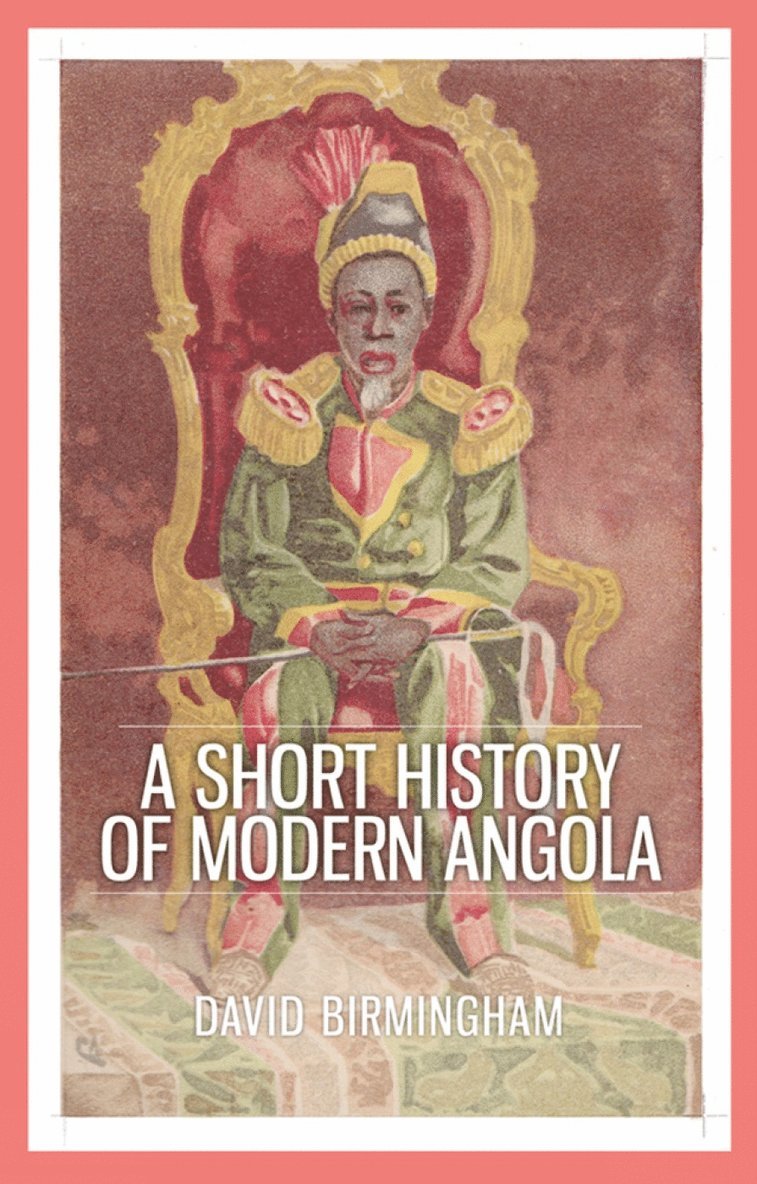
    Short History of Modern Angola

    AvDavid Birmingham

    Inbunden, Engelska, 2015

    696 kr

    Tillfälligt slut

    Fler format och utgåvor

    E-bok

    384 kr

    E-bok

    384 kr

    Häftad

    298 kr

    Beskrivning

    This book begins in 1820 with the Portuguese attempt to create a third, African, empire after the virtual loss of Asia and America. In the nineteenth century the most valuable resource extracted from Angola was agricultural labour, first as privately owned slaves and later as conscript workers. The colony was managed by a few marine officers, by several hundred white political convicts, and by a couple of thousand black Angolans who had adopted Portuguese language and culture. The hub was the harbour city of Luanda which grew in the twentieth century to be a dynamic metropolis of several million people. The export of labour was gradually replaced when an agrarian revolution enabled white Portuguese immigrants to drive black Angolan labourers to produce sugar-cane, cotton, maize and above all coffee. During the twentieth century this wealth was supplemented by Congo copper, by gem-quality diamonds, and by off-shore oil. Although much of the countryside retained its dollar-a-day peasant economy, new wealth generated conflict which pitted white against black, north against south, coast against highland, American allies against Russian allies.The generation of warfare finally ended in 2002 when national reconstruction could begin on Portuguese colonial foundations.

    Produktinformation

    • Utgivningsdatum:2015-12-17
    • Mått:138 x 216 x 16 mm
    • Vikt:318 g
    • Format:Inbunden
    • Språk:Engelska
    • Antal sidor:256
    • Förlag:C Hurst & Co Publishers Ltd
    • ISBN:9781849045148

    Utforska kategorier

    • Asiens historia inom Historia och arkeologi

    Mer om författaren

    David Birmingham's first book, on the Portuguese conquest of Angola, was published by Oxford University Press in 1965. Since then he has written a dozen other works, including the Cambridge History of Portugal, and edited the three-volume History of Central Africa, with Phyllis Martin. He taught in African universities and at SOAS before being appointed to the chair of modern history at the University of Kent.

    Recensioner i media

    'This is a fabulous book, an inspiring work of scholarship that reflects the author's deep engagement with Angola for over half a century. With humour and literary skill, Birmingham condenses several hundred years of compelling history without skipping detail. By the end, you begin to understand why contemporary Angola is like it is.'