• Fri frakt över 249 kr
  • •
  • Snabba leveranser
  • •
  • Billiga böcker
Kundservice

Du är på sajten för privatpersoner.

Företag, bibliotek eller offentlig verksamhet?

Du handlar på classic.bokus.com, där alla dina funktioner finns intakta.
Till classic.bokus.com
Bokus logotyp. Gå till startsidan.
  • Erbjudanden
  • Nyheter
  • Student
  • Topplistor
  • Barn & ungdom
  • Bokus Play
  • E-böcker
  • Pocketböcker
  • Spel & pussel

10% rabatt på allt med kod: NYSTART10 →

Sidfot

Mina sidor

    Hjälp

    • Kundservice
    • Vanliga frågor och svar
    • Frakt och leverans
    • Retur vid ångerrätt
    • Reklamera vara
    • Betalning
    • Köpvillkor
    • Allmänna villkor
    • Information om webbplatsens tillgänglighet

    Om Bokus

    • Om oss
    • Pressrum
    • För studenter
    • För företag
    • För bibliotek och offentlig verksamhet
    • För leverantörer
    • Hållbarhet

    Populärt

    • Aktuella erbjudanden
    • Presentkort
    • Studentlitteratur
    • Nya böcker
    • Topplistor
    • Signerade böcker
    • Engelska böcker

    Inspiration

    • Boktips
    • BookTok
    • Populära bokserier
    • Barnbokskaraktärer
    • Populära författare
    Logotyp för Bokus
    Följ oss på Facebook (extern länk)Följ oss på Instagram (extern länk)Följ oss på YouTube (extern länk)Följ oss på TikTok (extern länk)
    bokus @ CookiesAnpassa cookiesIntegritetspolicyKöpvillkor
    Till Citymail hemsida (extern länk)Till Budbee hemsida (extern länk)Till Postnord hemsida (extern länk)Till Schenker hemsida (extern länk)Till Early Bird hemsida (extern länk)Till Walleys hemsida (extern länk)
    1. Samhälle och politik
    2. Samhälle och kultur
    3. Kultur och medier
    4. Referensverk och tvärvetenskap

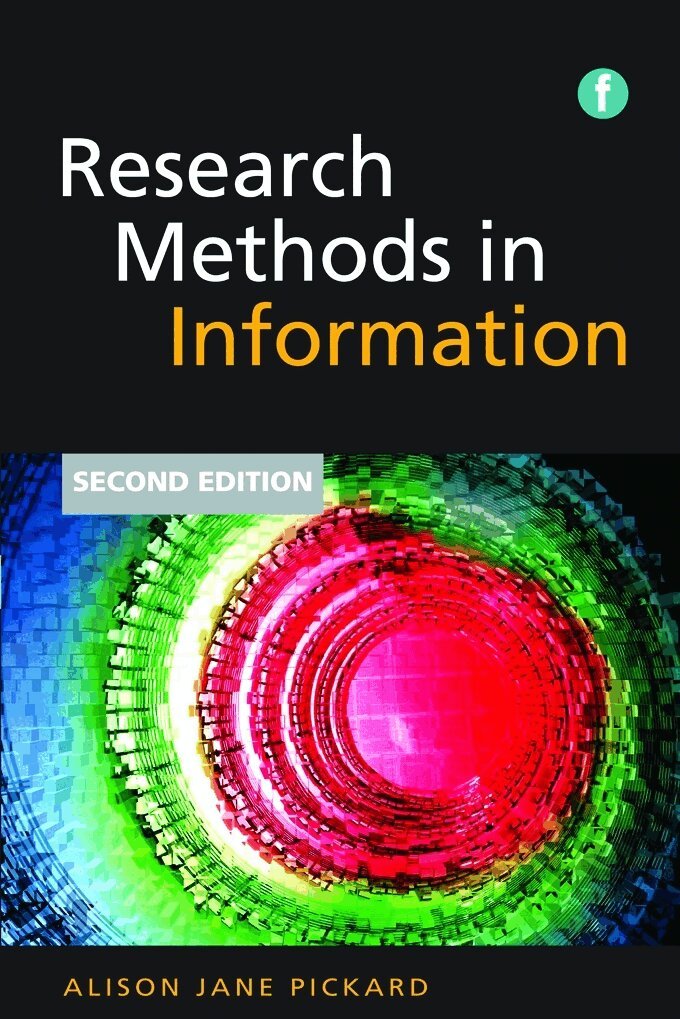
    Research Methods in Information

    AvAlison Jane Pickard

    Häftad, Engelska, 2013

    1 183 kr

    Beställningsvara. Skickas inom 5-8 vardagar. Fri frakt över 249 kr.

    Fler format och utgåvor

    E-bok

    909 kr

    Inbunden

    2 264 kr

    Beskrivning

    The long-awaited 2nd edition of this best-selling research methods handbook is fully updated and includes brand new coverage of online research methods and techniques, mixed methodology and qualitative analysis. This edition includes two new contributed chapters: Professor Julie McLeod, Sue Childs and Elizabeth Lomas focus on research data management, applying evidence from the recent JISC funded ‘DATUM’ project; Dr Andrew Shenton examines strategies for analysing existing documents. The first to focus entirely on the needs of the information and communications community, this handbook guides the would-be researcher through the variety of possibilities open to them under the heading ‘research’ and provides students with the confidence to embark on their dissertations. The focus here is on the ‘doing’ and although the philosophy and theory of research is explored to provide context, this is essentially a practical exploration of the whole research process with each chapter fully supported by examples and exercises tried and tested over a whole teaching career. Readership: Students of information and communications studies and archives and records management, and practitioners beginning a piece of research.

    Produktinformation

    • Utgivningsdatum:2013-01-23
    • Mått:134 x 155 x 20 mm
    • Vikt:578 g
    • Format:Häftad
    • Språk:Engelska
    • Antal sidor:384
    • Upplaga:2
    • Förlag:Facet Publishing
    • ISBN:9781856048132

    Utforska kategorier

    • Referensverk och tvärvetenskap inom Samhälle och politik

    Mer om författaren

    Dr Alison Jane Pickard is Head of Information and Communication Management and Director of Quality and Student Experience in the School of Computing, Engineering and Information Sciences at the University of Northumbria, where she is also Programme Leader for the new Professional Doctorate in Information Sciences. She teaches Research Methods in Information and Communication Management, Information Sciences, as well as other subject areas, and has project managed a number of JISC and AHRB research projects.

    Recensioner i media

    "This reference guide outlines the research process for students and practitioners in information studies, communications, records management, knowledge management, and related disciplines. It covers the three major research paradigms in information science, then reviewing the literature, defining the research, the proposal, sampling, ethics, research methods, the type of question the methods can be used for, and how to design it, including case studies, surveys, experimental research, Delphi studies, action research, historical research, and grounded theory. It also details data collection techniques (interviews, questionnaires, observation, diaries, and focus groups), and qualitative and quantitative data analysis and research presentation. The philosophy and theory behind the research is included only for context; emphasis is on the research process itself. This edition adds two chapters by guest authors on data research management and the analysis of existing documents. The chapters on usability testing and ethnography have been expanded to include netnography and other material."

    Innehållsförteckning

    • PART 1: STARTING THE RESEARCH PROCESS1. Major research paradigmsIntroductionPositivist research Postpositivism and mixed methods research (MMR)Interpretivist researchQualitative or quantitative methodology?Qualitative research design Quantitative research design Mixed methods research Criteria for judging research Establishing trustworthiness in qualitative researchEstablishing rigour in quantitative researchSummaryPractical exercise Suggested further reading 2. Reviewing literatureIntroductionInformation searching and retrieval EvaluationCritical analysis Synthesizing the research: developing a theoretical frameworkSummaryPractical exercise Suggested further reading 3. Defining the research IntroductionDesigning a conceptual framework The research hypothesisResearch aims and objectivesSummaryPractical exercise Suggested further reading 4. The research proposalWhy write a proposal? Structure of a research proposalThe proposal as a research frameworkSummaryPractical exerciseSuggested further reading 5. Sampling Why sample?Population and sample Probability samplingPurposive sampling SummaryPractical exerciseSuggested further reading 6. Research Data Management - Julie McLeod, Sue Childs and Elizabeth LomasIntroduction – research data and its management challenges Why is research data management important? The research process, data lifecycles and research data managementHow do I manage my research data? SummaryPractical exercise Websites referred to in this chapterSuggested further reading 7. Ethics in researchIntroductionGaining access to the field Informed consent Anonymity or confidentiality? Protecting participants Ethics onlineSummaryPractical exercise Suggested further reading 8. Case studiesIntroductionPhases in case study research SummaryPractical exercise Suggested further reading 9. SurveysIntroductionDescriptive surveys Explanatory surveys The survey processSummaryPractical exercise Suggested further reading 10. Experimental researchIntroductionThe nature of causality The true experiment Quasi-experimental design: the ‘effects study’SummaryPractical exercise Suggested further reading 11. Usability testingIntroductionQuasi-experimental usability studies Cognitive walkthroughsHeuristic evaluation SummaryPractical exercise Suggested further reading 12. EthnographyIntroductionComponents of ethnographic studyVirtual ethnography – ‘netnography’ Ethics in ethnographySummaryPractical exercise Suggested further reading 13. Delphi studyIntroductionThe Delphi processRules of a Delphi study Modifying a Delphi study Delphi studies and new technologies SummaryPractical exercise Suggested further reading 14. Action research IntroductionThe action research cycle Trustworthiness in action research Action research as reflective practice SummaryPractical exerciseSuggested further reading 15. Historical research IntroductionThe research process SummaryPractical exercise Suggested further reading 16. Grounded theory: method or analysis? IntroductionDefining grounded theorySummaryPractical exercise Suggested further reading PART 3: DATA COLLECTION TECHNIQUES17. InterviewsIntroductionWhat is the purpose of an interview? The seven stages of the interview processOnline interviewing SummaryPractical exercise Suggested further reading 18. QuestionnairesIntroductionDesigning questionnaires Developing questions Scale itemsForms of questionnaireSummaryPractical exercise Suggested further reading 19. Observation IntroductionThe role of the observerRecording what you see; going in with signpostsSummaryPractical exercise Suggested further reading 20. DiariesIntroductionThe purpose of diaries in researchParticipant diariesThe researcher’s logStructure and recordingSummaryPractical exercise Suggested further reading 21. Focus groupsIntroductionPurpose of a focus group Organizing a focus group Online focus groups SummaryPractical exercise Suggested further reading 22. Analysis of existing, externally created material - Andrew K. ShentonIntroductionThe different supporting roles of documents LIS research principally based on documentsCitation analysis Logs associated with computer software and the use of ICT SummaryPractical exercise Suggested further reading PART 4: DATA ANALYSIS AND RESEARCH PRESENTATION23. Qualitative analysis IntroductionPhenomenological strategies Ethnographic methods Narrative and discourse analysis Constant comparative analysisMemo writingPresenting qualitative findings Software for qualitative analysisSummaryPractical exerciseSuggested further reading 24. Quantitative analysisIntroductionLevels of measurementFrequency distributionCross-tabulation Measures of central tendency Measures of dispersion CorrelationDisplaying data Testing for statistical significanceSoftware for quantitative analysis SummaryPractical exercise Suggested further reading 25. Presenting the research IntroductionPlanning the final report Form and structureSummarySuggested further reading PART 5: GLOSSARY AND REFERENCES Glossary of research terms References

    Betyg & recensioner

    3/5