
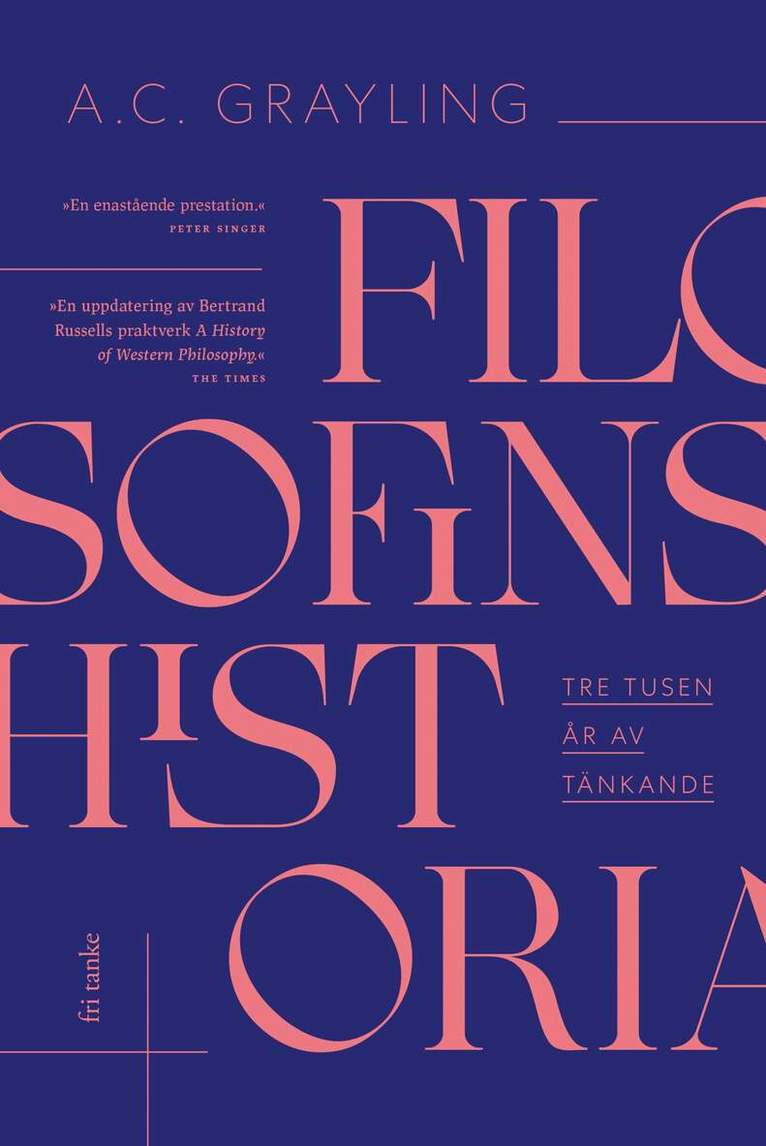
Time of the Sages
Socrates, Buddha, Confucius and the Ideas that shaped Our World.
Inbunden, Engelska, 2027
235 kr
Kommande
Beskrivning
2,400 years ago there was a sudden and dramatic burst of new ideas across the world.Simultaneously in Athens, Socrates was prompting his contemporaries to question their assumptions; in India, the Buddha was grappling with the boundary between the self and the world; and in China, Confucius was formulating a philosophy based on collective harmony. For all their differences, each was pioneering a provocative new way of thinking about ethics and politics, a shift from asking what the gods demand to asking how human beings should live together.Was it simply a remarkable coincidence that these three figures appeared in the same lifetime, or might one set of ideas have influenced another? If these ideas did travel, they did so without scripture, conquest or divine revelation. These were not prophets, but teachers. They wrote nothing down. It was only through extraordinary followers and compelling arguments that their ideas might spread.Time of the Sages tells the story of this watershed in the history of the human mind, and shows why these ancient questions about how to live still matter today.Praise for A.C. Grayling‘Grayling brings satisfying order to daunting subjects.’ Steven Pinker, on The Frontiers of Knowledge‘While most philosophy is written in abstruse and ponderous prose, Grayling’s is a model of clarity and elegance.’ The Times, on Thinking of Answers‘He writes like a dream and with impressive but not overbearing erudition.’ Julian Baggini, Times Educational Supplement, on What Is Good?‘Remarkable, readable and authoritative… How he has mastered so much, so thoroughly, is nothing short of amazing.’ Lawrence M. Krauss, on The Frontiers of Knowledge‘An extraordinary accomplishment that transcends the usual bounds of academic specialization.’ Peter Singer, on The History of Philosophy
Produktinformation
Utforska kategorier
Mer om författaren
Hoppa över listan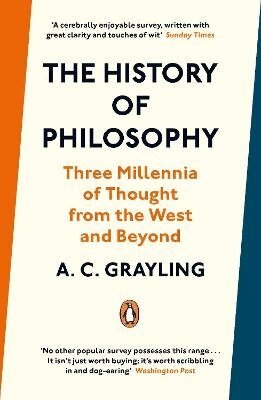
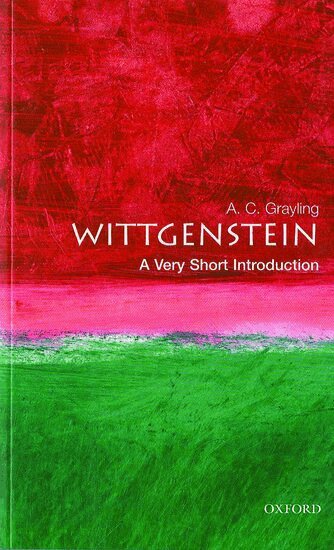

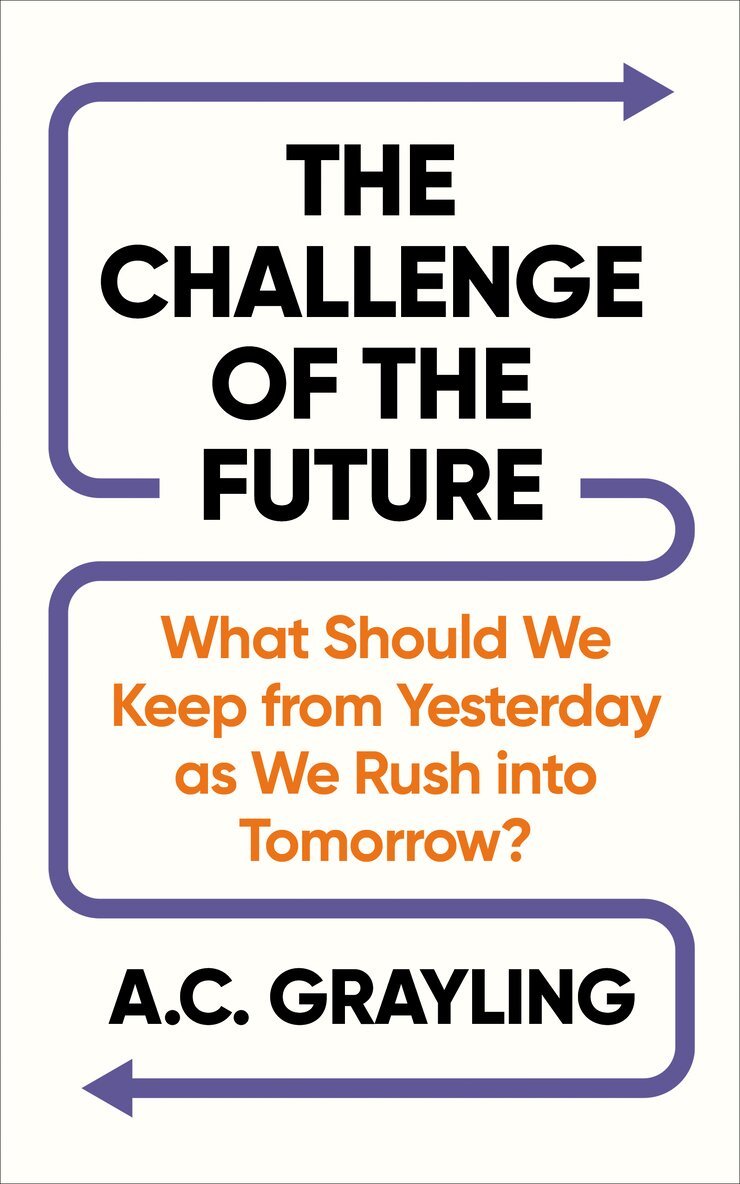

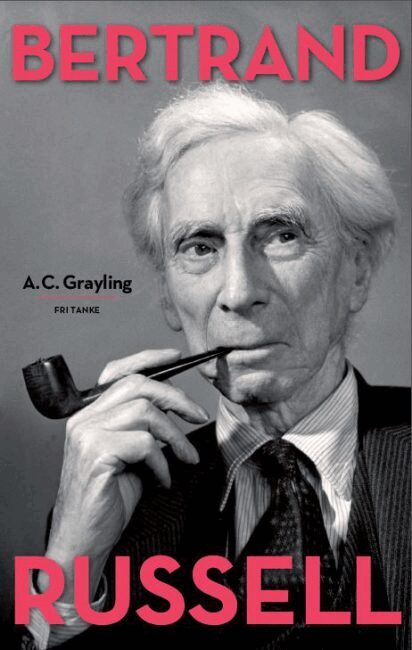

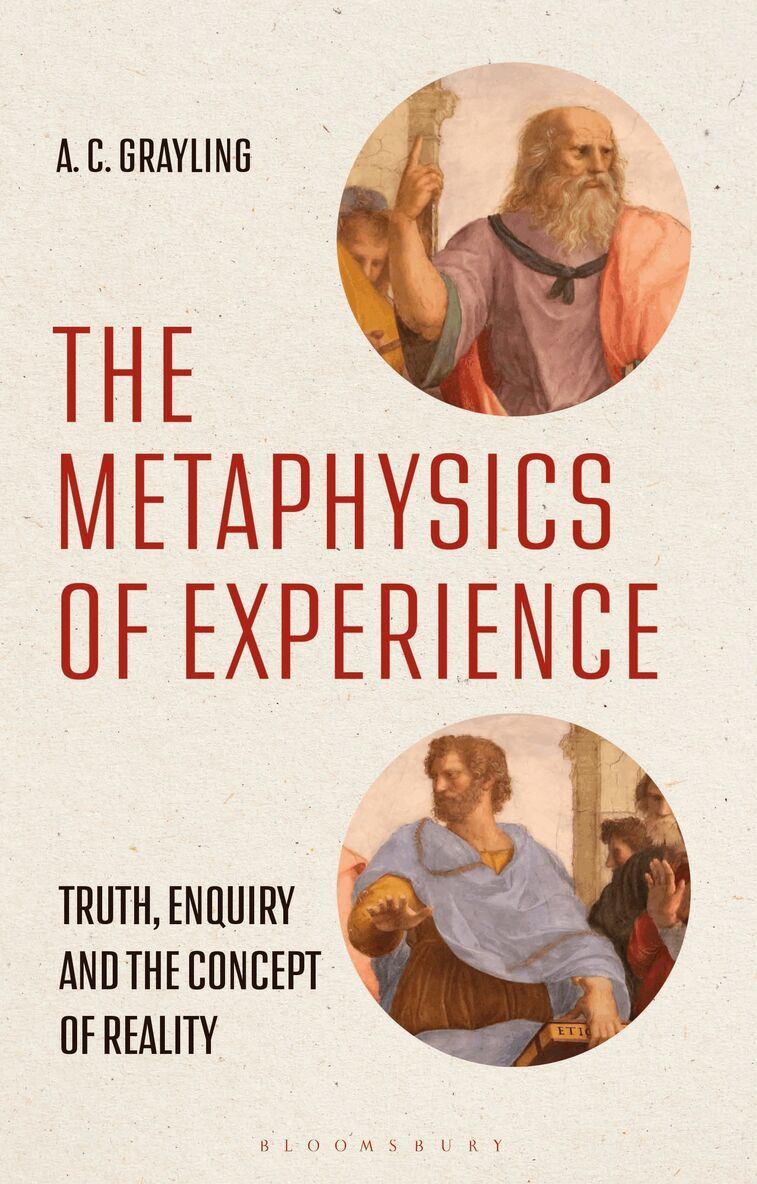
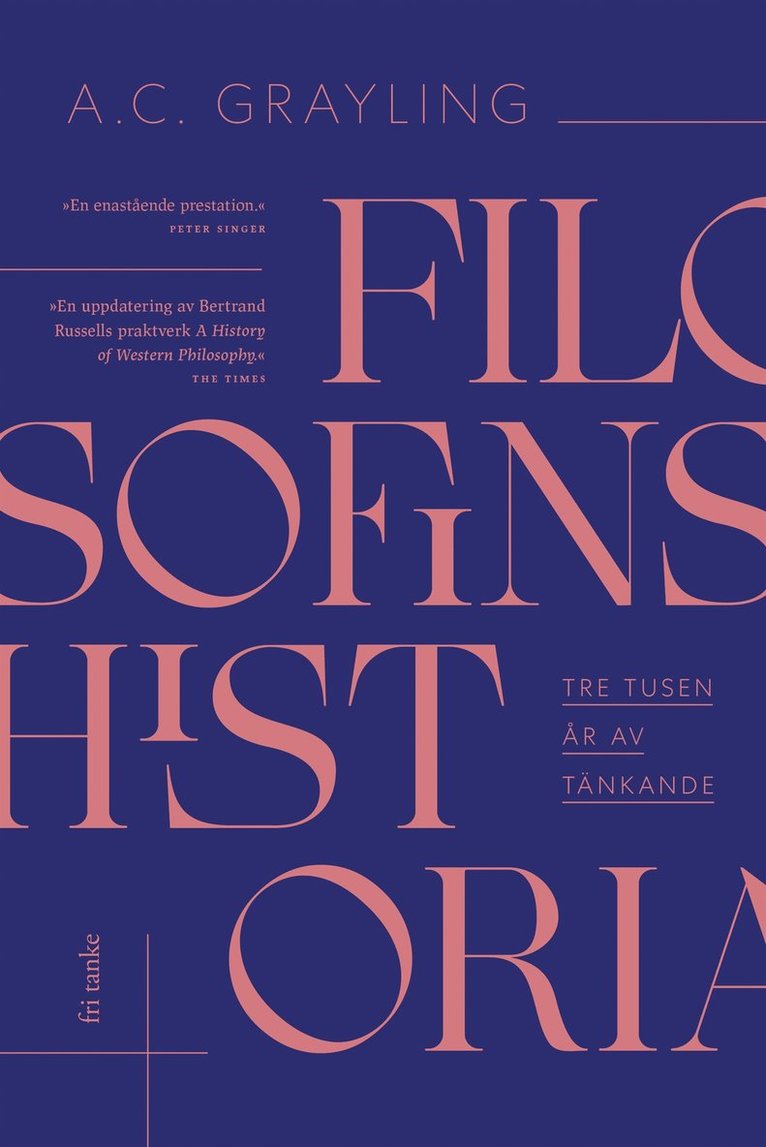
Mer från samma författare
The Art of Always Being Right: The 38 Ways to Win an Argument
A. C. Grayling, Arthur Schopenhauer
Häftad, 2021
206 kr
Hoppa över listan




Du kanske också är intresserad av
- Nyhet
- Signerad!
- Signerad!
Del 3
- Nyhet
Del 11
- -21%
- -30%
- Nyhet
- Nyhet
Del 11
- -19%