Häftad, Engelska, 2010
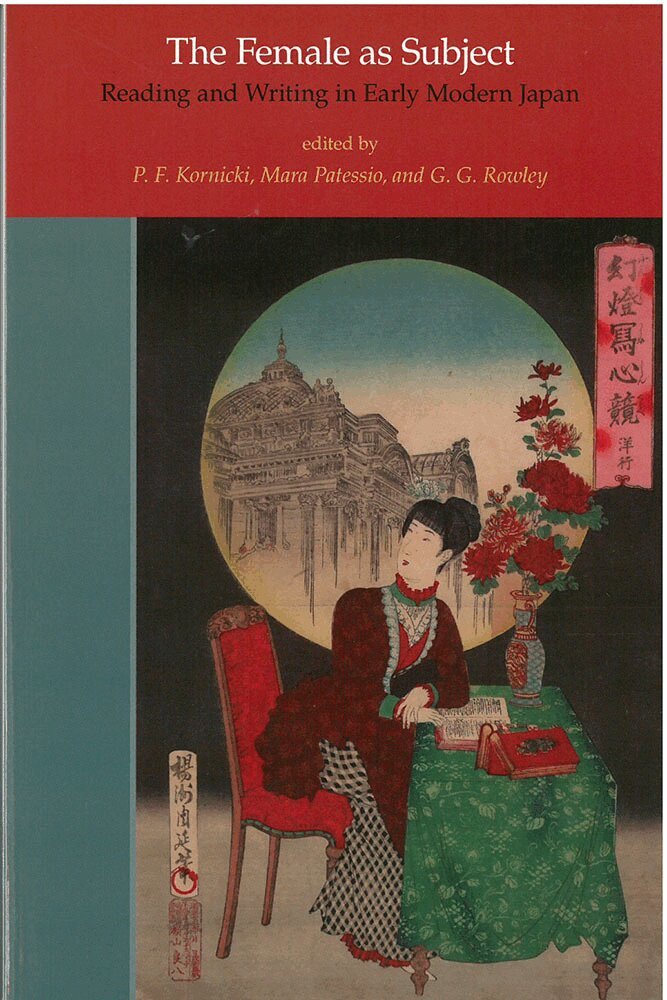
Female as Subject
Reading and Writing in Early Modern Japan
Av P.F. Kornicki, Mara Patessio, Gaye Rowley, G. Rowley
Del i serien Michigan Monograph Series in Japanese Studies
370 kr
Tillfälligt slut
Beskrivning
Produktinformation
- Utgivningsdatum: 2010-01-08
- Mått: 152 x 229 x undefined mm
- Format: Häftad
- Språk: Engelska
- Serie: Michigan Monograph Series in Japanese Studies
- Antal sidor: 290
- Förlag: The University of Michigan Press
- ISBN: 9781929280650
Utforska kategorier
Mer om författaren
P. F. Kornicki is Deputy Warden of Robinson College and Professor of East Asian Studies at the University of Cambridge. Mara Patessio is Lecturer in Japanese history at the University of Manchester. G. G. Rowley is Professor at
Recensioner i media
"Broad in scope and coherent in theme, this collection of essays focuses attention on Edo-period female practices of reading and writing. Combining lively case studies of women from various backgrounds with a consideration of more general trends in publishing, readership, and images of female readers, it enriches our understanding not only of gender issues but of Edo society as a whole." —Kate Wildman Nakai, Professor Emerita, Sophia University
Betyg & recensioner
0 recensioner
Inga recensioner tillgängliga.