Häftad, Engelska, 2021
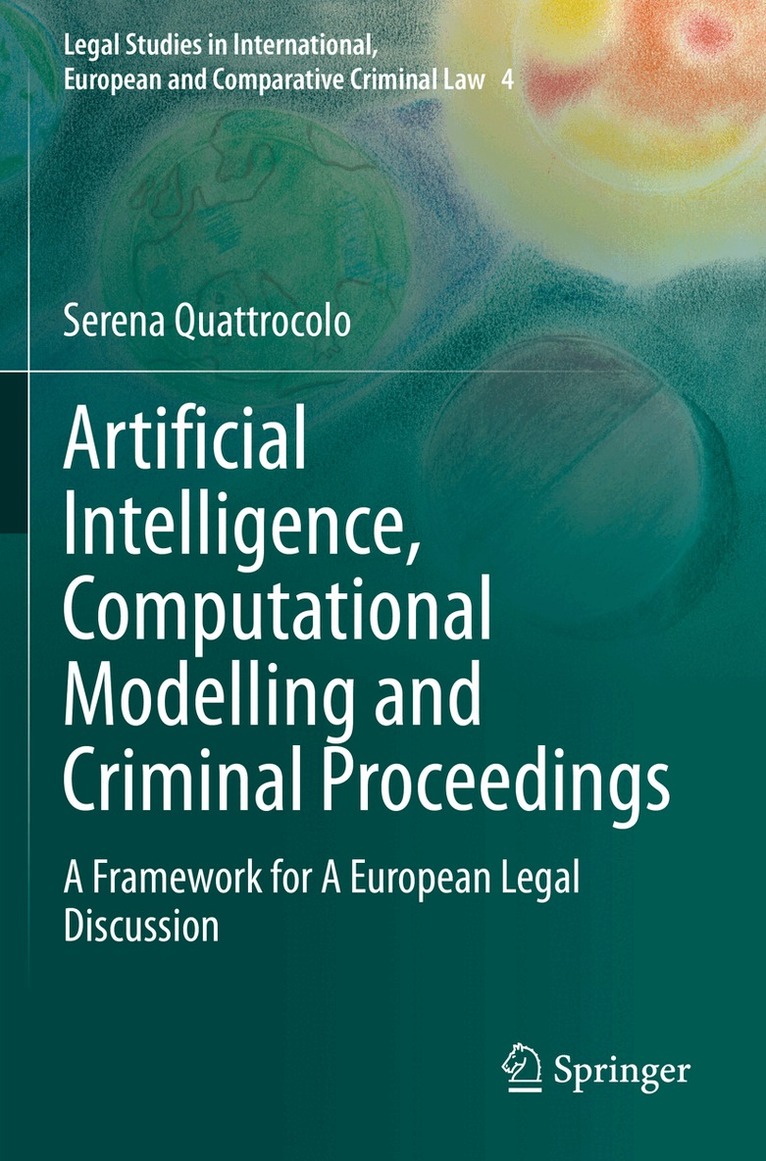
Artificial Intelligence, Computational Modelling and Criminal Proceedings
1308 kr
Beställningsvara. Skickas inom 10-15 vardagar. Fri frakt över 249 kr.
Beskrivning
This book discusses issues relating to the application of AI and computational modelling in criminal proceedings from a European perspective. Part one provides a definition of the topics. Rather than focusing on policing or prevention of crime – largely tackled by recent literature – it explores ways in which AI can affect the investigation and adjudication of crime. There are two main areas of application: the first is evidence gathering, which is addressed in Part two. This section examines how traditional evidentiary law is affected by both new ways of investigation – based on automated processes (often using machine learning) – and new kinds of evidence, automatically generated by AI instruments. Drawing on the comprehensive case law of the European Court of Human Rights, it also presents reflections on the reliability and, ultimately, the admissibility of such evidence. Part three investigates the second application area: judicial decision-making, providing an unbiased review of the meaning, benefits, and possible long-term effects of ‘predictive justice’ in the criminal field. It highlights the prediction of both violent behaviour, or recidivism, and future court decisions, based on precedents. Touching on the foundations of common law and civil law traditions, the book offers insights into the usefulness of ‘prediction’ in criminal proceedings.
Produktinformation
- Utgivningsdatum: 2021-08-28
- Mått: 155 x 235 x 14 mm
- Vikt: 382 g
- Format: Häftad
- Språk: Engelska
- Serie: Legal Studies in International, European and Comparative Criminal Law
- Antal sidor: 230
- Förlag: Springer Nature Switzerland AG
- ISBN: 9783030524722
Utforska kategorier
Betyg & recensioner
0 recensioner
Inga recensioner tillgängliga.