• Fri frakt över 249 kr
  • •
  • Snabba leveranser
  • •
  • Billiga böcker
Kundservice

Du är på sajten för privatpersoner.

Företag, bibliotek eller offentlig verksamhet?

Du handlar på classic.bokus.com, där alla dina funktioner finns intakta.
Till classic.bokus.com
Bokus logotyp. Gå till startsidan.
  • Erbjudanden
  • Nyheter
  • Student
  • Topplistor
  • Barn & ungdom
  • Bokus Play
  • E-böcker
  • Pocketböcker
  • Spel & pussel

10% rabatt på allt med kod: NYSTART10 →

Sidfot

Mina sidor

    Hjälp

    • Kundservice
    • Vanliga frågor och svar
    • Frakt och leverans
    • Retur vid ångerrätt
    • Reklamera vara
    • Betalning
    • Köpvillkor
    • Allmänna villkor
    • Information om webbplatsens tillgänglighet

    Om Bokus

    • Om oss
    • Pressrum
    • För studenter
    • För företag
    • För bibliotek och offentlig verksamhet
    • För leverantörer
    • Hållbarhet

    Populärt

    • Aktuella erbjudanden
    • Presentkort
    • Studentlitteratur
    • Nya böcker
    • Topplistor
    • Signerade böcker
    • Engelska böcker

    Inspiration

    • Boktips
    • BookTok
    • Populära bokserier
    • Barnbokskaraktärer
    • Populära författare
    Logotyp för Bokus
    Följ oss på Facebook (extern länk)Följ oss på Instagram (extern länk)Följ oss på YouTube (extern länk)Följ oss på TikTok (extern länk)
    bokus @ CookiesAnpassa cookiesIntegritetspolicyKöpvillkor
    Till Citymail hemsida (extern länk)Till Budbee hemsida (extern länk)Till Postnord hemsida (extern länk)Till Schenker hemsida (extern länk)Till Early Bird hemsida (extern länk)Till Walleys hemsida (extern länk)
    1. Ekonomi och Ledarskap
    2. Nationalekonomi
    3. Mikroekonomi

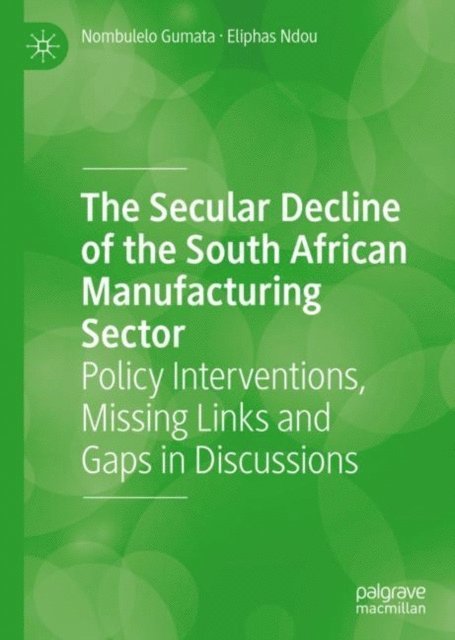
    Secular Decline of the South African Manufacturing Sector

    Policy Interventions, Missing Links and Gaps in Discussions

    AvNombulelo Gumata,Eliphas Ndou

    Inbunden, Engelska, 2020

    1 119 kr

    Beställningsvara. Skickas inom 10-15 vardagar. Fri frakt över 249 kr.

    Fler format och utgåvor

    Häftad

    1 119 kr

    Beskrivning

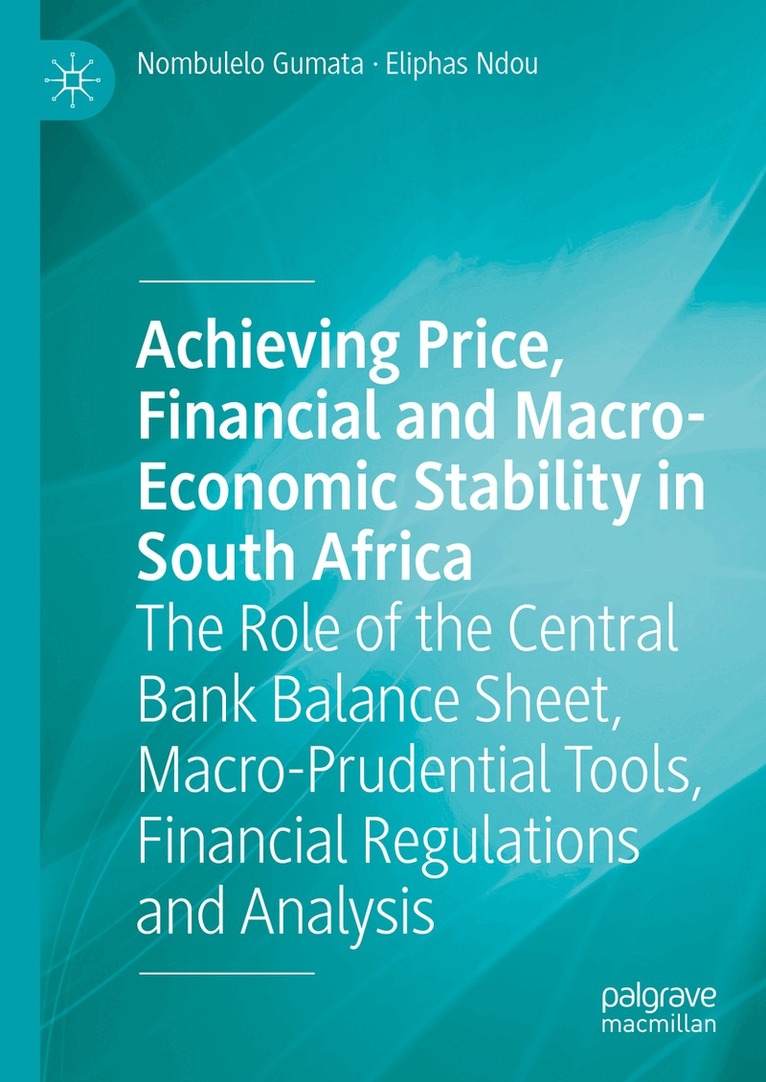
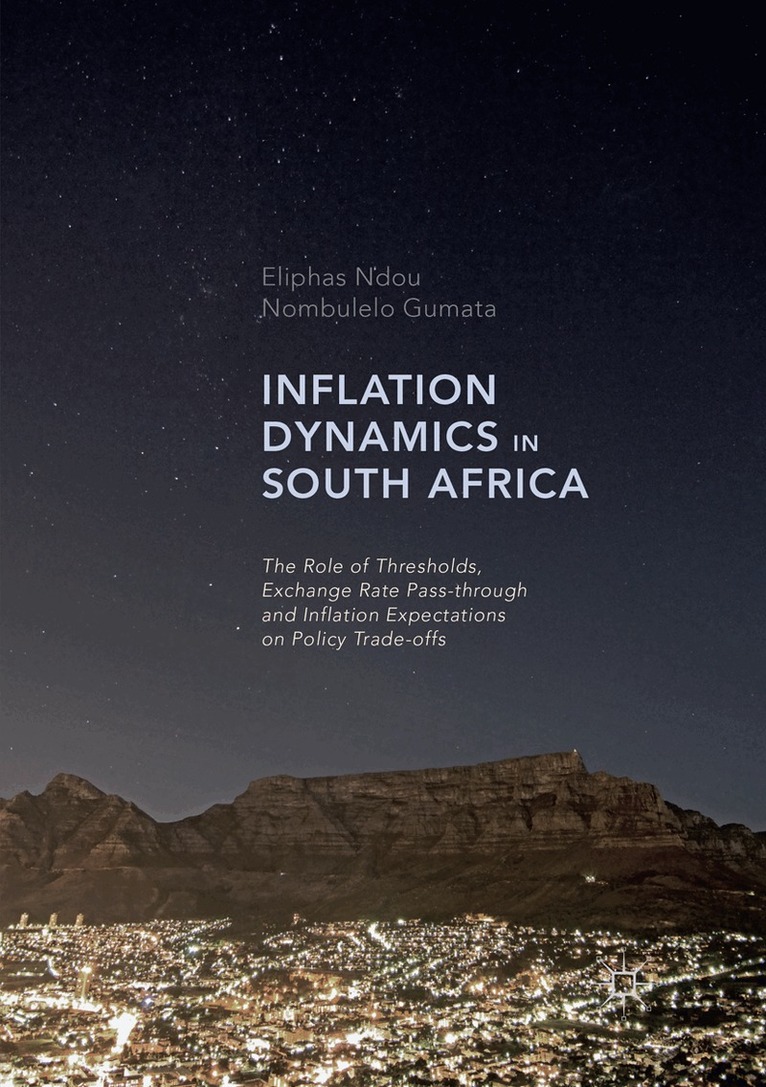
    This book examines the global and domestic factors that have influenced the decline of South African manufacturing. Quantitative and econometric techniques are used to analyse the macroeconomic conditions that derive improved performance within the manufacturing sector. Empirical evidence is used to set out policy recommendations that would allow the South African National Development Plan to meet its objectives.This books aims to bring together analysis of industrial policy, competition policy, and merger remedies to produce a framework on how to preserve a competitive environment and support output, investment, and employment growth. It is relevant to those interested in African, development, and labour economics.

    Produktinformation

    • Utgivningsdatum:2020-11-11
    • Mått:148 x 210 x 27 mm
    • Vikt:633 g
    • Format:Inbunden
    • Språk:Engelska
    • Antal sidor:370
    • Upplaga:20001
    • Förlag:Springer Nature Switzerland AG
    • ISBN:9783030551476

    Utforska kategorier

    • Mikroekonomi inom Ekonomi och Ledarskap
    • Nationalekonomi inom Ekonomi och Ledarskap
    • Internationell ekonomi inom Ekonomi och Ledarskap

    Mer om författaren

    Nombulelo Gumata is an economist who has co-authored several books in the areas of international finance and macroeconomics, macro-prudential and regulatory tools and financial stability, labour markets, monetary and fiscal policy.Eliphas Ndou is an economist at the South African Reserve Bank and has authored books in international finance, public finances, monetary, labour, macro and microeconomics, time-series econometrics, banking regulation and macro-prudential policy.

    Innehållsförteckning

    • 1. Introduction.- 2. Does trade-openness affect the role of the domestic output-gap on inflation? If so, what is the role of the global out-put gap?.- 3. Does an increase in trade-openness and import-penetration affect income inequality? Evidence from the manufacturing sector output growth and employment growth.- 4. What is the impact of Chinese import penetration on the South African manufacturing sector?.- 5. What is the impact of global trade uncertainty and the exchange rate volatility on the manufacturing sector?.- 6. How does activity in manufacturing sector respond to trade and exchange rate shocks? Evidence from trade-openness and import penetration thresholds.- 7. What is the impact of imports by stage of production on the manufacturing sector output and employment growth?.- 8. What is the impact of imports by stage of production and the manufacturing sector investment growth?.- 9. What is the impact of global trade uncertainty and the exchange rate volatility on the manufacturing sector?.- 10. What is the impact of commodity price booms and capital flows surges episodes on the manufacturing sector?.- 11. What are the effects of capital flow shocks on the domestic manufacturing sector?.- 12. Does the persistent widening in the trade deficit explain the decline in the manufacturing sector output and employment growth?.- 13. Do credit booms, financial and credit cycles affect activity in the manufacturing sector?.- 14. What is the role of business and consumer confidence in amplifying the transmission of positive shocks into the manufacturing sector?.- 15. Do positive investment shocks in the manufacturing sector result in increased labour absorption and participation rates?.- 16. Did the decline in the excess capital adequacy ratio amplify the monetary policy easing and credit cycles on activity in the manufacturing sector?.- 17. Did the increase in excess liquid assets of banks amplify the effects of tight macro-prudential tools on activity in the manufacturing sector?.- 18. Did loose loan-to-value and repayment-to-income ratios amplify commodity price booms on activity in the manufacturing sector?.- 19. Do tight loan-to-value and repayment-to-income ratios in amplify the effects of tight monetary policy cycles on the manufacturing sector activity?.- 20. What is the impact of selected financial regulation and macro-prudential tools on credit to the manufacturing sector?.- 21. Did monetary policy cycles propagate the impact of credit and financial cycles on activity in the manufacturing sector during 2005Q1 and 2008Q3?.- 22. What was the role of demand shocks, supply shocks, productivity shocks and monetary policy shocks on the manufacturing sector during 2005Q1 and 2008Q3?.- 23. The role of electricity price shocks on the manufacturing sector output and employment growth.- 24. What is the impact of the manufacturing sector output and sub-sector employment growth on the labour absorption and participation rates?.- 25. What is the nature of the output-employment in the manufacturing sector? Evidence from the manufacturing subsectors.- 26. What are the effects of the minimum wage and productivity growth on the manufacturing sector output and employment growth?.- 27. What is the impact of market income concentration and the mergers and acquisitions channel on the manufacturing sector?.