

Organized Crime as Institutional Cluster
Transition from Traditional to Informational Model in Ukraine
461 kr
Beställningsvara. Skickas inom 10-15 vardagar. Fri frakt över 249 kr.
Fler format och utgåvor
Beskrivning
From the perspective of institutionalism and theories of clusters, this book provides a concept of organized crime as an institutional cluster in contrast to the concept of multiple offences, associated with organized criminal groups or/and criminal organizations. The book offers shifts in the methodology of organized crime analysis and extrapolates the tools of cluster modelling – successfully approbated in the social and economic sciences as a method for the organization of spatially localized systems – to the criminological field. Such an approach gives a fresh view of organized crime essence and contributes to the deeper and more sophisticated understanding of organized crime modus operandi, as well as its influence on the social landscape.Organized crime in today’s world is increasingly moving from rigidly structured entities to decentralization with unclear, blurred edges and a hybrid structure, which is dictated by the rationality of adapting to social change, including the emergence of new widespread demands for illegal goods and services, new ways to evade social control, the prevalence of poly-criminal activities, the involvement in general digitalization, and so on. Specifically, the study is focused on the evolution of organized crime models in Ukraine considering the socioeconomic, political, and ideological background. Organized crime in Ukraine has gone through numerous transitions, encompassing professionally or traditionally organized criminal groups (the so-called community of ‘thieves in law’), functional racketeering groups, businessmen who accumulated their initial capital through the shadow economy, bureaucratically constructed groups from former official vertically powerful ruling circles, networks of personal or professional connections of the Soviet special services, oligarchic-clan pyramidal structures and amorphous delocalized cyber entities.This book also gives a broad picture of contemporary criminal clusters in Ukraine and an assessment of a full-scale war’s impact. Russia’s invasion on 24 February 2022 and massive hostilities provoked a turbulent situation for organized crime, resulting in the breaking of former criminal ties and the degradation of certain criminal and corrupt practices. At the same time, the war and the martial law regime created opportunities for organized crime in Ukraine to develop new illegal markets and relocate existing ones.
Produktinformation
Utforska kategorier
Mer om författaren
Innehållsförteckning
Hoppa över listan

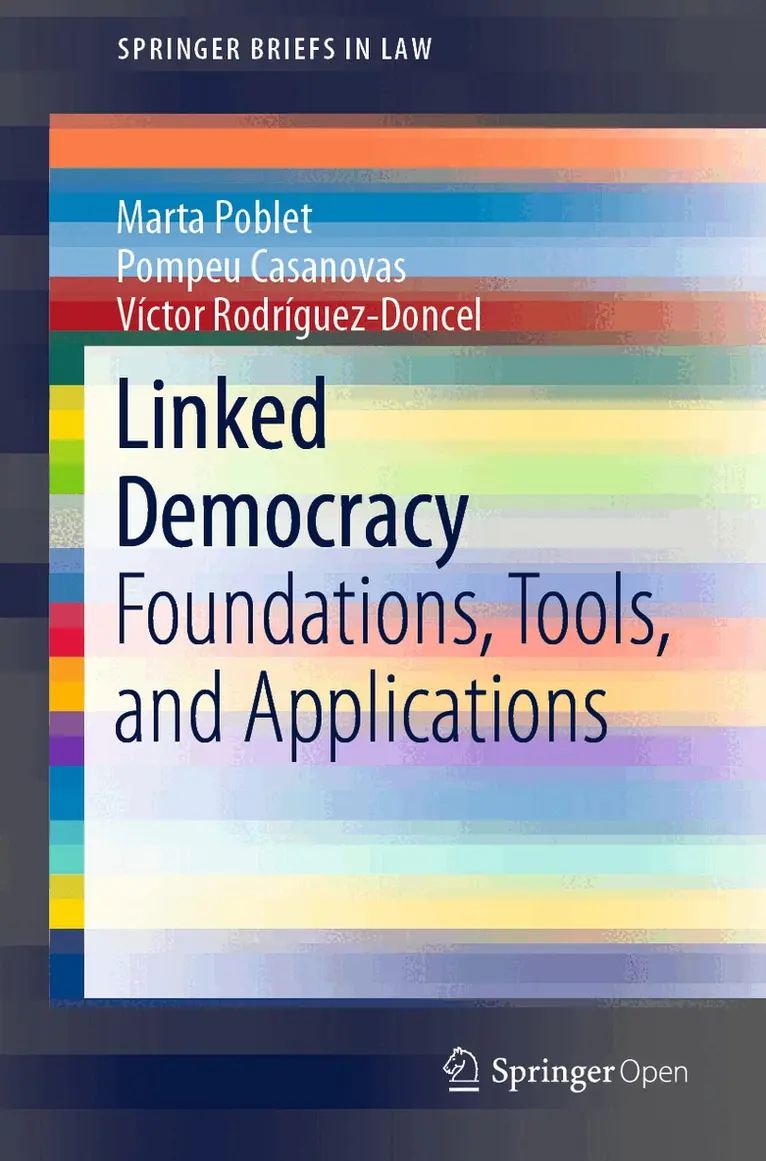




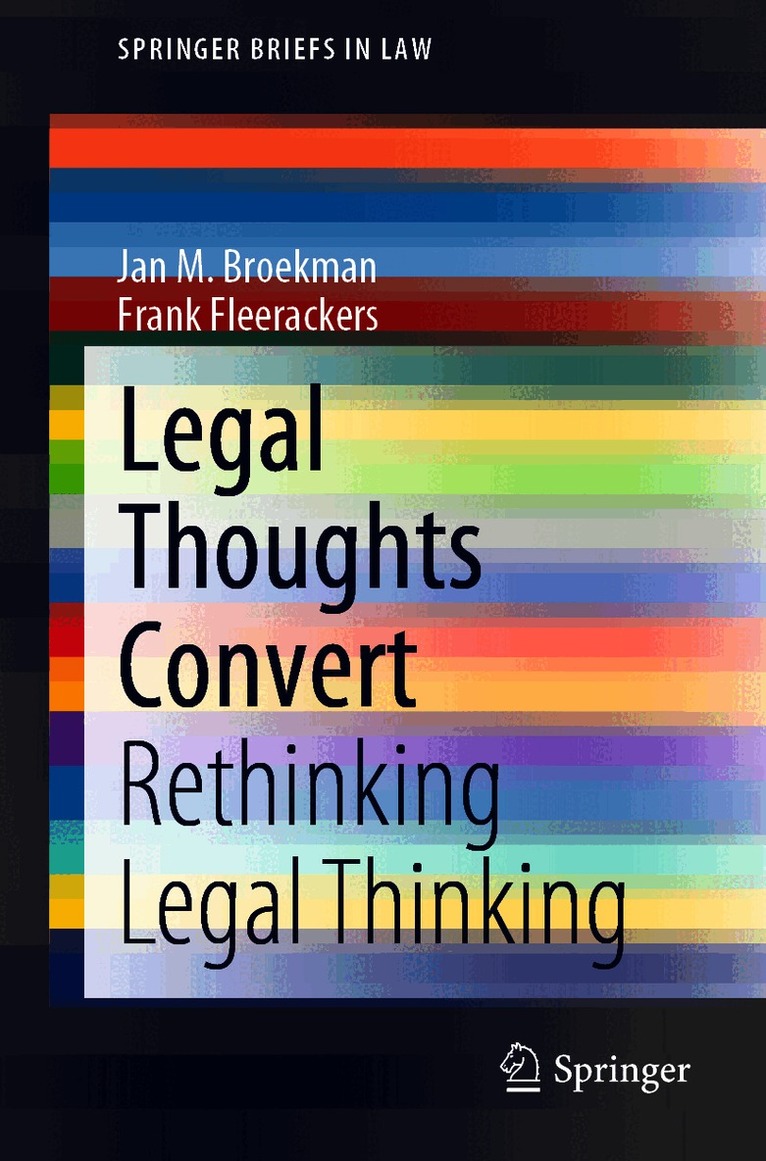
Mer från samma serie
Small Satellites and Sustainable Development - Solutions in International Space Law
Kiran Krishnan Nair
Häftad, 2019
562 kr
Food Exports from Brazil to China
Dan Wei, Ângelo Patrício Rafael, Almeida Zacarias Machava, Ana Cândida Muniz Cipriano, Daniel Freire e Almeida
Häftad, 2019
511 kr
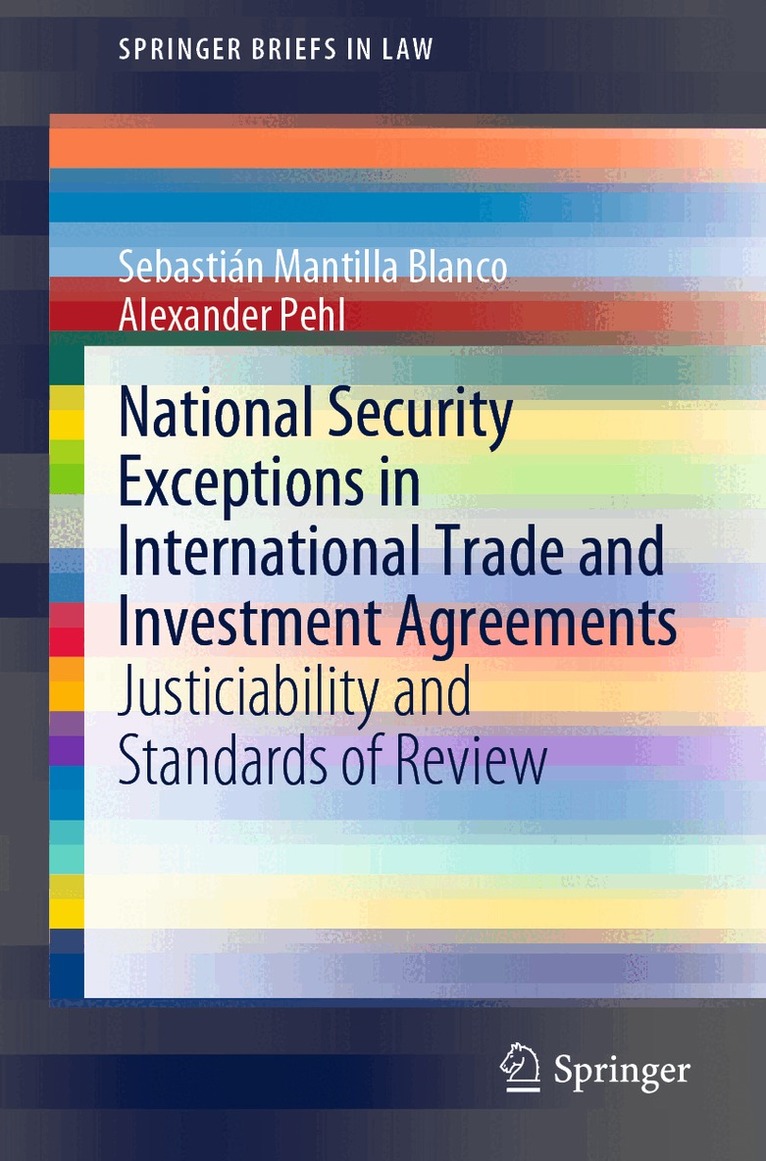
National Security Exceptions in International Trade and Investment Agreements
Sebastián Mantilla Blanco, Alexander Pehl
Häftad, 2020
612 kr
Hoppa över listan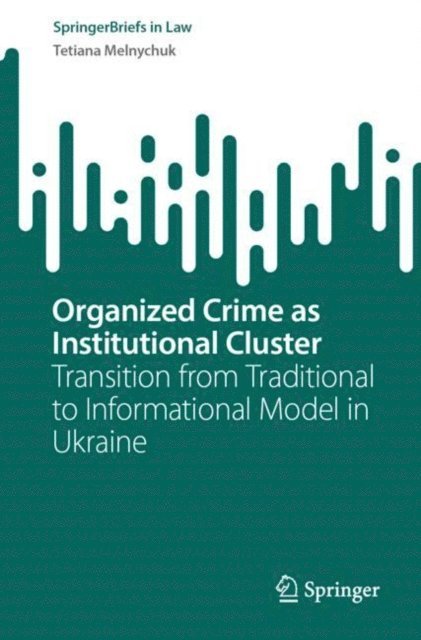






Du kanske också är intresserad av
- Nyhet
Del 11
- Signerad!
Del 3
- -12%
- Nyhet
- Nyhet
- -30%
- Signerad!
- -15%
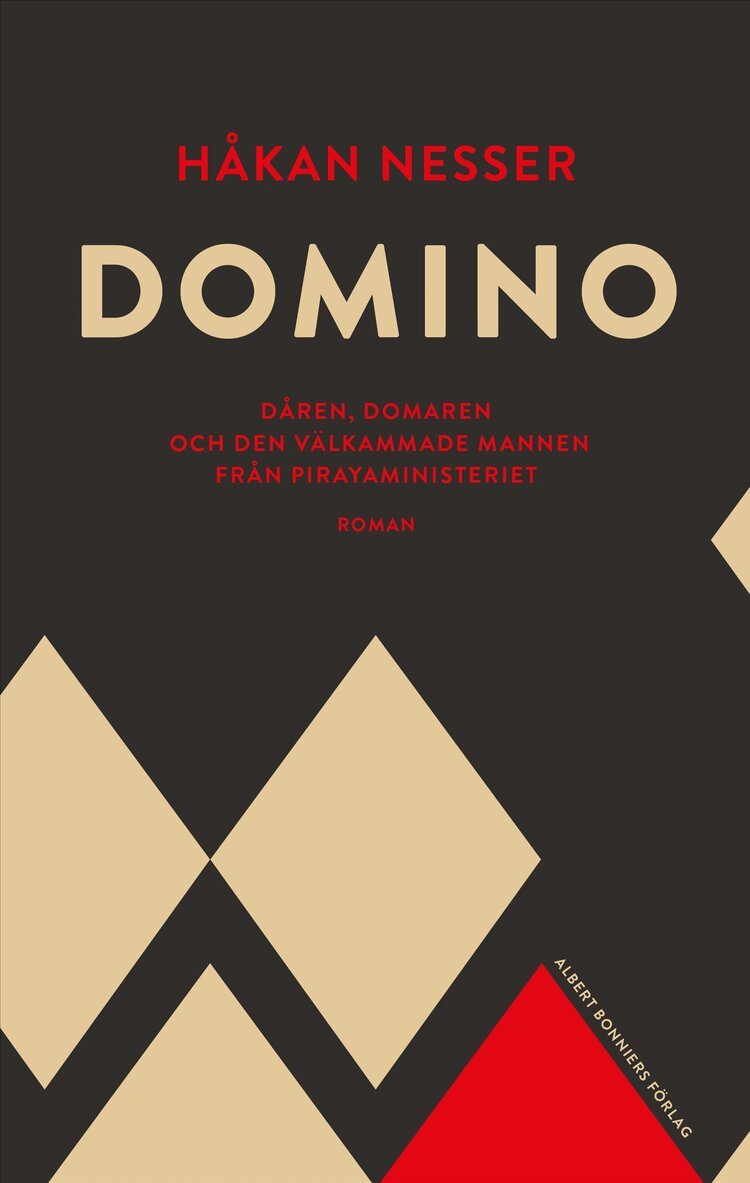
Domino : Dåren, domaren och den välkammade mannen från pirayaministeriet
Håkan Nesser
Inbunden, 2026
220 kr259 kr
- Nyhet
Del 6