Inbunden, Engelska, 2024
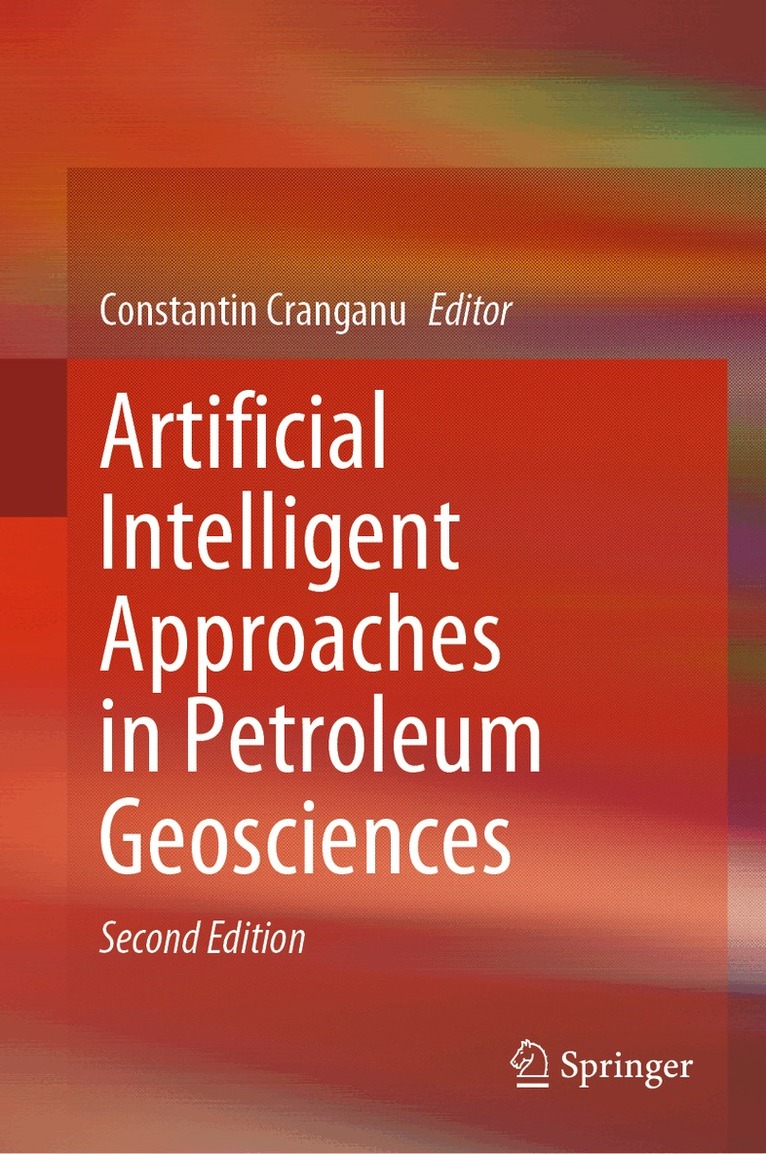
Artificial Intelligent Approaches in Petroleum Geosciences
1534 kr
Beställningsvara. Skickas inom 10-15 vardagar. Fri frakt över 249 kr.
Beskrivning
This book presents cutting-edge approaches to solving practical problems faced by professionals in the petroleum industry and geosciences. With various state-of-the-art working examples from experienced academics, the book offers an exposure to the latest developments in intelligent methods for oil and gas research, exploration, and production. This second edition is updated with new chapters on machine learning approaches, data-driven modelling techniques, and neural networks. The book delves into machine learning approaches, including evolutionary algorithms, swarm intelligence, fuzzy logic, deep artificial neural networks, KNN, decision tree, random forest, XGBoost, and LightGBM. it also analyzes the strengths and weaknesses of each method and emphasizes essential parameters like robustness, accuracy, speed of convergence, computer time, overlearning, and normalization. Integration, data handling, risk management, and uncertainty management are all crucial issues in petroleum geosciences. The complexities of these problems require a multidisciplinary approach that fuses petroleum engineering, geology, geophysics, and geochemistry. Essentially, this book presents an approach for integrating various disciplines such as data fusion, risk reduction, and uncertainty management. Whether you are a professional or a student, you can greatly benefit from the latest advancements in intelligent methods applied to oil and gas research. This comprehensive and updated book presents cutting-edge approaches and real-world examples that can help you in solving the intricate challenges of the petroleum industry and geosciences.
Produktinformation
- Utgivningsdatum: 2024-07-16
- Mått: 155 x 235 x 21 mm
- Vikt: 613 g
- Format: Inbunden
- Språk: Engelska
- Antal sidor: 277
- Upplaga: 2
- Förlag: Springer International Publishing AG
- ISBN: 9783031527142
Utforska kategorier
Betyg & recensioner
0 recensioner
Inga recensioner tillgängliga.