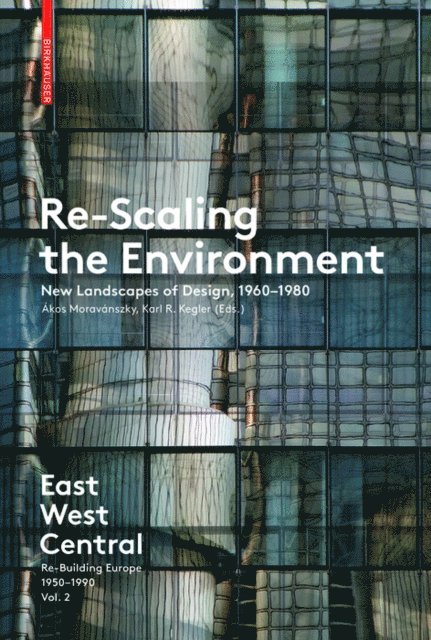
E-bok, Engelska, 2016
Re-Scaling the Environment
Av Karl R. Kegler, Akos Moravanszky
496 kr
Läs direkt i Bokus Reader – eller ladda ned till din enhet (PDF kräver ofta zoom och scroll på små skärmar).
Beskrivning
From 1960–1980, both eastern and western Europe experienced a construction boom of new dimensions. Cybernetics, the science of planning, and sociology, as well as the new possibilities offered by technology and production, paved the way to large-scale processes and systems in architecture and urban design, which favored technocratic and utopian concepts. Increasingly, architects and planners saw themselves as designers of comprehensive infrastructure and mega-structures in a technology-focused world.
The authors assesses these developments on the back of a knowledge transfer between East and West. It confirms a change in attitude that can still be felt today – recession, social changes, and environmental problems led to criticism of the then contemporary concepts of modernity.
Produktinformation
- Utgivningsdatum: 2016-12-19
- Språk: Engelska
- Filformat: PDF
- Kopieringsskydd: LCP
- ISBN: 9783035608236
- Förlag: Birkhauser
Utforska kategorier
Betyg & recensioner
0 recensioner
Inga recensioner tillgängliga.