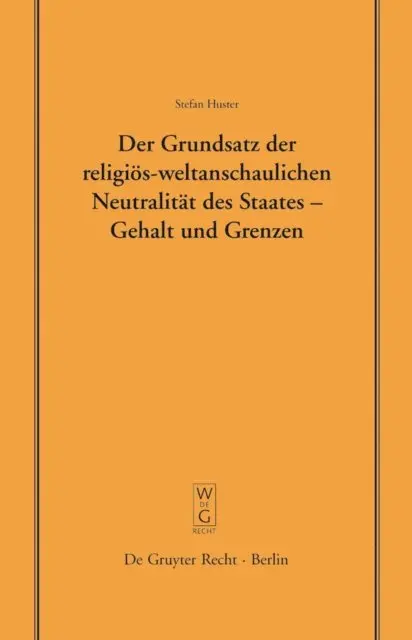
E-bok, Tyska, 2014
Der Grundsatz der religiös-weltanschaulichen Neutralität des Staates – Gehalt und Grenzen
237 kr
Läs direkt i Bokus Reader – eller ladda ned till din enhet (PDF kräver ofta zoom och scroll på små skärmar).
Beskrivning
["The principle of the religious-ideological neutrality of the State - content and limits"]
The call for governmental neutrality in religious-ideological issues, firmly enshrined in our political idea of order since the creation of the modern state from the outcome of the confessional civil wars of the early modern age, is currently experiencing a surprising renaissance. However, the term "neutrality" invokes a large variety of interpretations of neutrality. A reflection on the content of the call for neutrality is therefore required.
In his article, the author examines the question of what can the constitutional call for neutrality reasonably provide, and what are its limitations and when does politics have to intervene. This issue is discussed by way of three conceptual confrontations affecting the central problems of applicability of the call for neutrality: substantiation neutrality vs. efficiency neutrality, integration vs. separation and acceptance vs. tolerance.
Produktinformation
- Utgivningsdatum: 2014-04-24
- Språk: Tyska
- Filformat: PDF
- Kopieringsskydd: LCP
- ISBN: 9783110900033
- Förlag: De Gruyter
Utforska kategorier
Betyg & recensioner
0 recensioner
Inga recensioner tillgängliga.