Häftad, Engelska, 2026
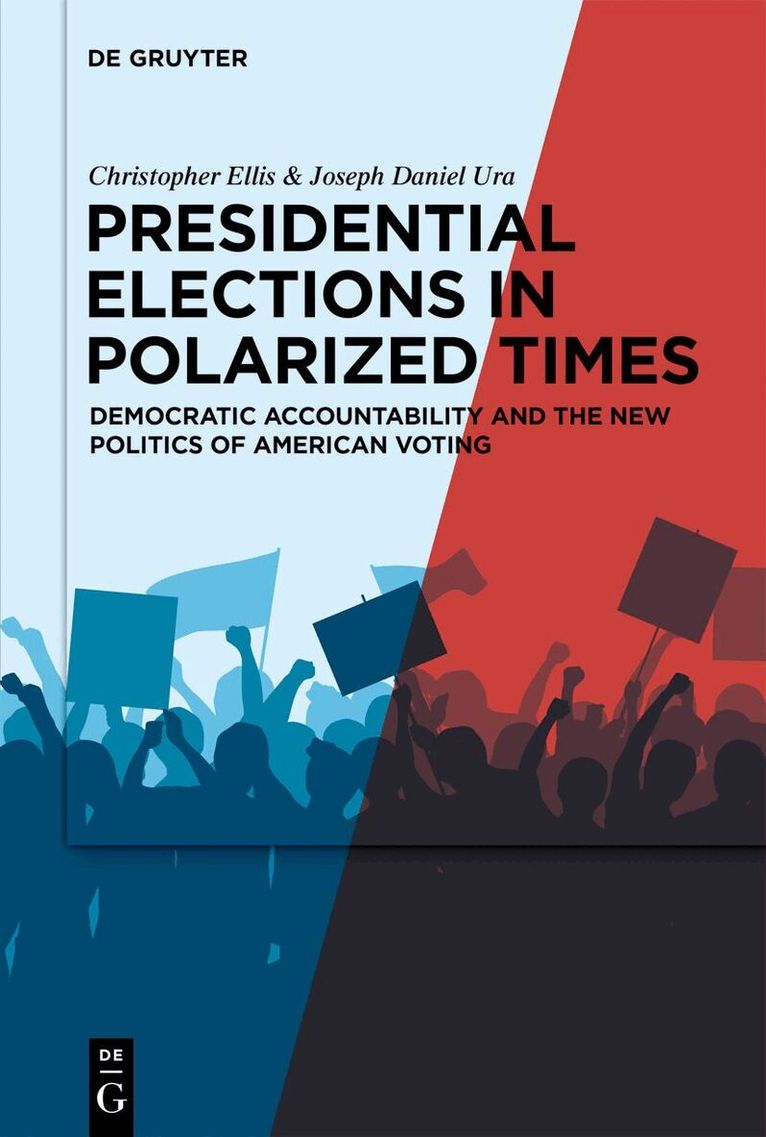
Presidential Elections in Polarized Times
Av Christopher Ellis, Joseph Daniel Ura
443 kr
Kommande
Beskrivning
Chris Ellis and Joseph Ura deliver an incisive analysis of the changing nature of American presidential elections over the last half-century. They argue that growing partisan polarization has redefined voting behavior, reducing the influence of national economic performance and policies on electoral choices and transforming elections into moralized contests dominated by entrenched “us vs. them” dynamics.Employing historical data, novel surveys, and an innovative forecasting model, the authors examine the interplay between political psychology and voting behavior, arguing that modern partisanship has evolved into a core social identity, akin to sports fandom. This development has led to unprecedented electoral stability on the one hand and heightened potential for deep conflict on the other.Rigorously researched yet accessible, this text offers a vital perspective on how electoral strategies, public expectations, and democratic norms are being reshaped in today’s polarized context.
Produktinformation
- Utgivningsdatum: 2026-12-15
- Mått: 155 x 230 x undefined mm
- Vikt: 500 g
- Format: Häftad
- Språk: Engelska
- Antal sidor: 210
- Förlag: De Gruyter
- ISBN: 9783111703657
Utforska kategorier
Betyg & recensioner
0 recensioner
Inga recensioner tillgängliga.