Inbunden, Engelska, 2026
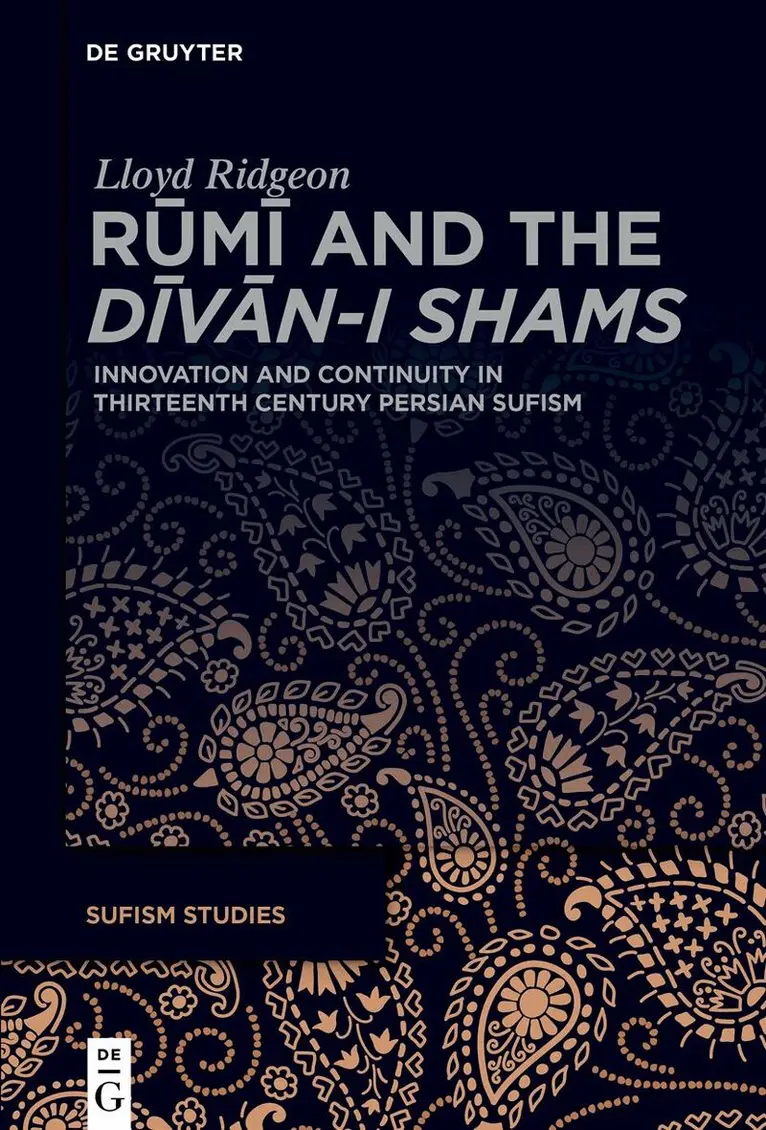
Rūmī and the ›Dīvān-i Shams‹
1622 kr
Beställningsvara. Skickas inom 3-6 vardagar. Fri frakt över 249 kr.
Beskrivning
This monograph responds to all the publications about Rūmī’s poetry that have appeared in recent years. Many of those are non-academic, devotional works that present Rūmī’s wisdom as an answer to a modern society’s contemporary malaise. However, this decontextualizes Rūmī and presents him as an ahistorical figure who transcended Islam and Sufism. The aim of this book, Rūmī and the Dīvān-i Shams, is to present Rūmī as a thirteenth century Sufi who engaged with his traditions and the worldviews, prejudices and suppositions of his time. Of necessity, the views of Sufis from a similar period are considered to determine to what extent, if any, Rūmī may be considered an innovative and original Sufi. All this is carried out by examining Rūmī’s love odes (ghazals) as collected in the Dīvān-i kabīr (also known popularly as the Dīvān-i Shams), rather than the Mathnawī. The Dīvān-i kabīr is regarded as Rūmī’s personal statement, and reflects a perspective from the heart. The book contains chapters on his Sufi influences, the nature of his Sufism (whether it was antinomian or not), and on Sufi ritual performance and theology.
Produktinformation
- Utgivningsdatum: 2026-11-02
- Mått: 155 x 230 x undefined mm
- Vikt: 552 g
- Format: Inbunden
- Språk: Engelska
- Serie: Sufism Studies
- Antal sidor: 299
- Förlag: De Gruyter
- ISBN: 9783112247822
Utforska kategorier
Betyg & recensioner
0 recensioner
Inga recensioner tillgängliga.