Inbunden, Engelska, 2027
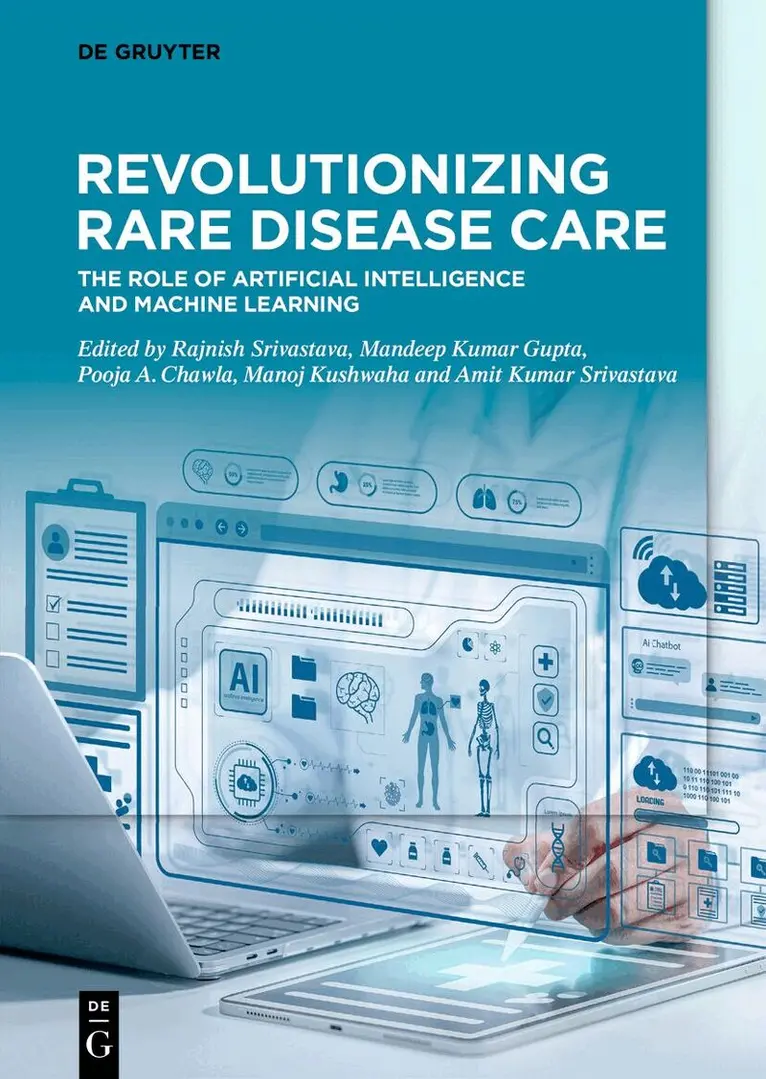
Revolutionizing Rare Disease Care
Av Rajnish Srivastava, Mandeep Kumar Gupta, Pooja A. Chawla, Manoj Kushwaha, Amit Kumar Srivastava
989 kr
Kommande
Beskrivning
Rare diseases affect millions globally, yet patients often face delayed diagnoses, limited treatments, and insufficient support due to the conditions’ low prevalence and clinical complexity. This book, Revolutionizing Rare Disease Care: The Role of Artificial Intelligence and Machine Learning, addresses this unmet need by exploring how AI and ML technologies are transforming the diagnosis, treatment, and management of rare diseases. It offers a comprehensive, disease-specific analysis of AI-driven innovations in areas such as early detection, drug discovery, biomarker identification, and personalized therapeutic interventions. The book also examines ethical, regulatory, and implementation challenges, ensuring equitable and transparent integration of AI/ML in clinical practice. Covering rare diseases like amyloidosis, ALS, and choroideremia, the book presents real-world insights into how technology can revolutionize patient care. Timely and unique, this book is a vital resource for clinicians, researchers, data scientists, and healthcare policymakers seeking to harness AI/ML to improve outcomes and quality of life for patients with rare diseases.
Produktinformation
- Utgivningsdatum: 2027-05-24
- Mått: 170 x 240 x undefined mm
- Vikt: 500 g
- Format: Inbunden
- Språk: Engelska
- Antal sidor: 611
- Förlag: De Gruyter
- ISBN: 9783119142328
Utforska kategorier
Betyg & recensioner
0 recensioner
Inga recensioner tillgängliga.