• Fri frakt över 249 kr
  • •
  • Snabba leveranser
  • •
  • Billiga böcker
Kundservice

Du är på sajten för privatpersoner.

Företag, bibliotek eller offentlig verksamhet?

Du handlar på classic.bokus.com, där alla dina funktioner finns intakta.
Till classic.bokus.com
Bokus logotyp. Gå till startsidan.
  • Erbjudanden
  • Nyheter
  • Student
  • Topplistor
  • Barn & ungdom
  • Bokus Play
  • E-böcker
  • Pocketböcker
  • Spel & pussel

10% rabatt på allt med kod NYSTART10 →

Sidfot

Mina sidor

    Hjälp

    • Kundservice
    • Vanliga frågor och svar
    • Frakt och leverans
    • Retur vid ångerrätt
    • Reklamera vara
    • Betalning
    • Köpvillkor
    • Allmänna villkor
    • Information om webbplatsens tillgänglighet

    Om Bokus

    • Om oss
    • Pressrum
    • För studenter
    • För företag
    • För bibliotek och offentlig verksamhet
    • För leverantörer
    • Hållbarhet

    Populärt

    • Aktuella erbjudanden
    • Presentkort
    • Studentlitteratur
    • Nya böcker
    • Topplistor
    • Signerade böcker
    • Engelska böcker

    Inspiration

    • Boktips
    • BookTok
    • Populära bokserier
    • Barnbokskaraktärer
    • Populära författare
    Logotyp för Bokus
    Följ oss på Facebook (extern länk)Följ oss på Instagram (extern länk)Följ oss på YouTube (extern länk)Följ oss på TikTok (extern länk)
    bokus @ CookiesAnpassa cookiesIntegritetspolicyKöpvillkor
    Till Citymail hemsida (extern länk)Till Budbee hemsida (extern länk)Till Postnord hemsida (extern länk)Till Schenker hemsida (extern länk)Till Early Bird hemsida (extern länk)Till Walleys hemsida (extern länk)
    1. Naturvetenskap och teknik
    2. Geovetenskap
    3. Geovetenskap
    4. Geologi

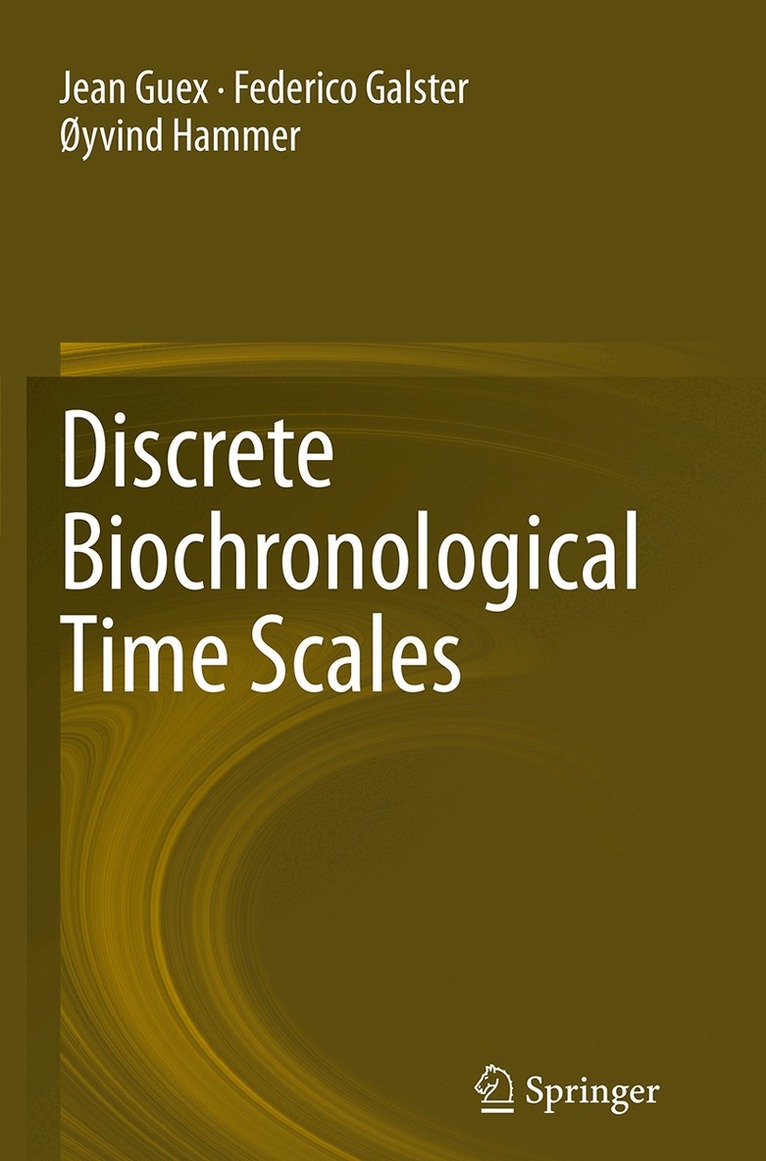
    Discrete Biochronological Time Scales

    AvJean Guex,Federico Galster

    Häftad, Engelska, 2016

    546 kr

    Beställningsvara. Skickas inom 10-15 vardagar. Fri frakt över 249 kr.

    Fler format och utgåvor

    Inbunden

    546 kr

    Beskrivning

    The object of this book is to explain how to create a synthesis of complex biostratigraphic data, and how to extract from such a synthesis a relative time scale based exclusively on the fossil content of sedimentary rocks. Such a time scale can be used to attribute relative ages to isolated fossil-bearing samples. The book is composed of 10 chapters together with several appendices. It is a totally revised version of “Biochronological Correlations” published in 1991 and includes various new chapters. The book offers a solution for the theoretical problem of how fossils can be used to make reliable quantitative stratigraphic correlations in sedimentary geology. It also describes the use of highly efficient software along with several examples. The authors compare their theoretical model with 2 other relevant studies: probabilistic stratigraphy and constrained optimization (CONOP).

    Produktinformation

    • Utgivningsdatum:2016-11-01
    • Mått:155 x 235 x 11 mm
    • Vikt:283 g
    • Format:Häftad
    • Språk:Engelska
    • Antal sidor:160
    • Förlag:Springer International Publishing AG
    • ISBN:9783319372723

    Utforska kategorier

    • Geologi inom Naturvetenskap och teknik
    • Tillämpad matematik inom Naturvetenskap och teknik
    • Paleontologi inom Naturvetenskap och teknik

    Recensioner i media

    “The book by Guex et al. is simulating reading that can be recommended to big professionals in stratigraphy, especially those dreaming about new-age research. Some other geologists and graduate students with very advanced knowledge will also find this writing useful.” Dmitry A. Ruban, Zentralblatt für Geologie und Paläontologie, 3-4, 2016)​

    Innehållsförteckning

    • Biochronological Scales.- Graph Theoretical Approach.- Interval Graphs and Stratigraphic Contradictions.- The UA Method and the Uagraph Program.- Transgressive-Regressive Cycles and Benthic Foraminifera.- Comparison Between the Uagraph and Conop Programs.- Lower Jurassic Radiolarian Biochronology and Evolutionary Rates.- Calibrating Biochronological Zones with Geochronology.- Statistical Pseudo-Improvements of the UA Method.- Conclusions.