E-bok, Engelska, 2016
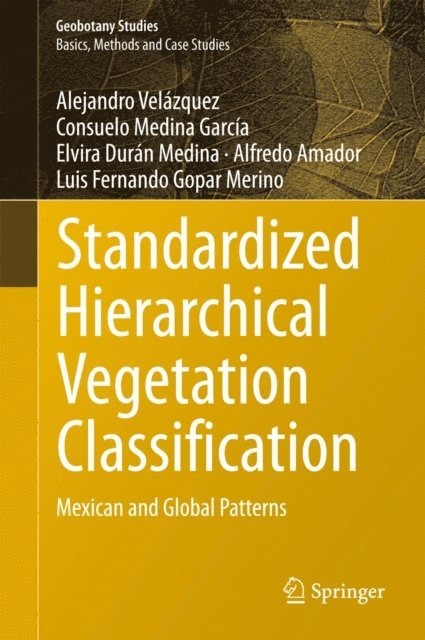
Standardized Hierarchical Vegetation Classification
Av Luis Fernando Gopar Merino, Alfredo Amador, Elvira Duran Medina, Consuelo Medina Garcia, Alejandro Velazquez
1459 kr
Läs direkt i Bokus Reader – eller ladda ned till din enhet (PDF kräver ofta zoom och scroll på små skärmar).
Beskrivning
This book outlines the transitions between cultured and natural land cover/vegetation types and their implications in the search for alternatives to reverse the trend of anthropogenic environmental degradation. It also elaborates on the proposed “standardized hierarchical Mexican vegetation classification system” and geobotanical mapping, a critical transversal environmental issue. The first chapter consists of an historical review of the common approaches to the study of vegetation both in Mexico and in other regions of the world. The second chapter concisely analyzes the existing schools of thought that have led to the development of vegetation classification systems based on physiognomic, structural and floristic approaches. The focal point of the book is the “standardized hierarchical Mexican vegetation classification system” (SECLAVEMEX – “Sistema jerárquico estandarizado para la clasificación de la vegetación de México”). Chapter 3 describes the system’s organizational levels along with the criteria defining them and the nomenclatural basis for the denomination of each type of vegetation. It also includes a series of tables explaining and precisely defining the meaning of each concept, criterion, character and element used to help readers successfully identify the type of vegetation in a determined area. The fourth chapter highlights SECLAVEMEX''s inclusive character as evidenced through its compatibility with other systems currently used around the globe. Three concepts are critically reviewed: land cover, land use and vegetation. These are often the study subject of the contrasting disciplines geography, agronomy and ecology, which all rely upon plant species assemblages. As such, the final chapter focuses on a critical transversal environmental issue – geobotanical mapping. Geobotanical mapping offers a baseline for land cover/use planning and provides critical information on ecological, economic and cultural attributes, which can be used as a basis for environmental-policy decisions. The proposed SECLAVEMEX was applied to Mexico as an example of land cover, land use and vegetation patterns intermingling as the result of a long human influence. SECLAVEMEX, however, can be adapted and hopefully adopted globally as a baseline for consistently comparing geobotanical patterns and their transitions.
Produktinformation
- Utgivningsdatum: 2016-08-16
- Språk: Engelska
- Filformat: PDF
- Kopieringsskydd: LCP
- ISBN: 9783319412221
- Förlag: Springer International Publishing
Utforska kategorier
Betyg & recensioner
0 recensioner
Inga recensioner tillgängliga.