Inbunden, Engelska, 2018
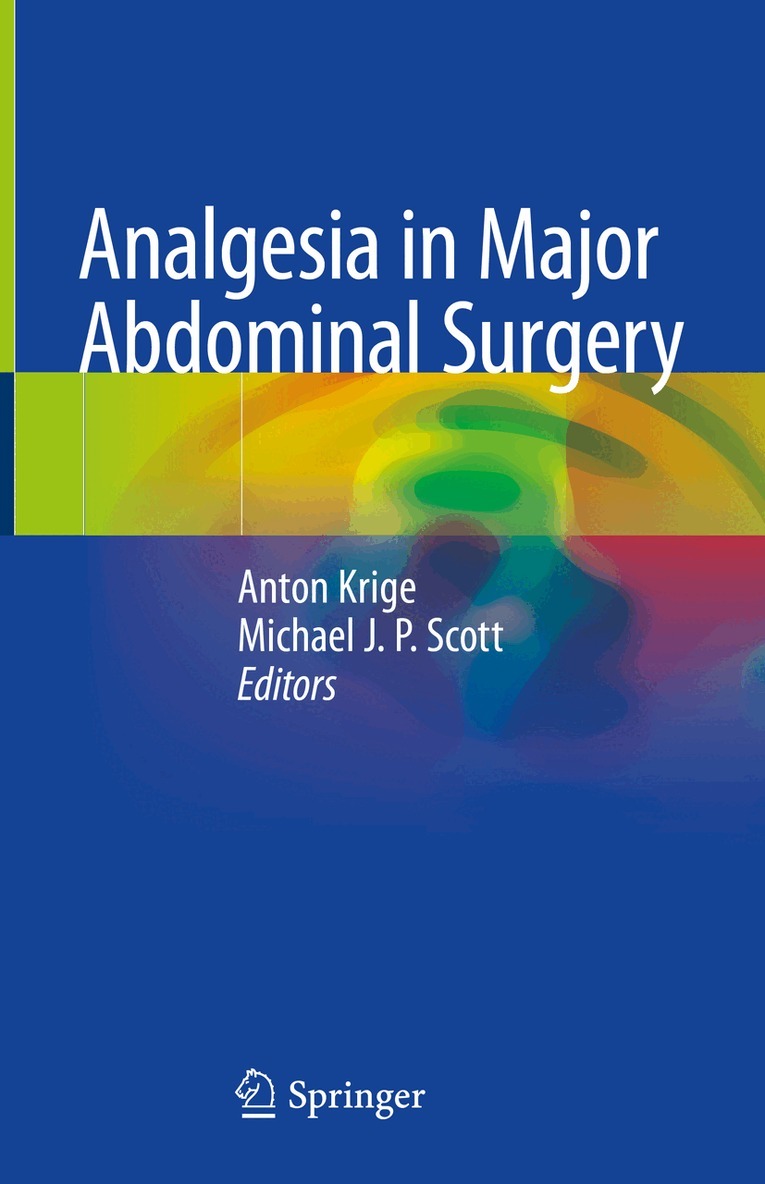
Analgesia in Major Abdominal Surgery
Av Anton Krige, Michael J. P. Scott
1465 kr
Beställningsvara. Skickas inom 10-15 vardagar. Fri frakt över 249 kr.
Beskrivning
This book presents current evidence in an Enhanced Recovery Programme context, and provides a common sense approach to using the array of available analgesia techniques appropriately in major abdominal surgery. Current pain relief options are discussed, many of which have been described only in the last ten years. Topics covered range from the now widespread use of portable ultrasound machines to an appreciation of the value of some older drugs in a new context. Analgesia for Major Abdominal Surgery is aimed at anesthetists, acute pain teams, and acute pain nurses, as well as colorectal, hepatobiliary, urological and gynecological surgeons.
Produktinformation
- Utgivningsdatum: 2018-10-18
- Mått: 155 x 235 x 21 mm
- Vikt: 676 g
- Format: Inbunden
- Språk: Engelska
- Antal sidor: 272
- Förlag: Springer International Publishing AG
- ISBN: 9783319944807
Utforska kategorier
Betyg & recensioner
0 recensioner
Inga recensioner tillgängliga.