• Fri frakt över 249 kr
  • •
  • Snabba leveranser
  • •
  • Billiga böcker
Kundservice

Du är på sajten för privatpersoner.

Företag, bibliotek eller offentlig verksamhet?

Du handlar på classic.bokus.com, där alla dina funktioner finns intakta.
Till classic.bokus.com
Bokus logotyp. Gå till startsidan.
  • Erbjudanden
  • Nyheter
  • Student
  • Topplistor
  • Barn & ungdom
  • Bokus Play
  • E-böcker
  • Pocketböcker
  • Spel & pussel

10% rabatt på allt med kod NYSTART10 →

Sidfot

Mina sidor

    Hjälp

    • Kundservice
    • Vanliga frågor och svar
    • Frakt och leverans
    • Retur vid ångerrätt
    • Reklamera vara
    • Betalning
    • Köpvillkor
    • Allmänna villkor
    • Information om webbplatsens tillgänglighet

    Om Bokus

    • Om oss
    • Pressrum
    • För studenter
    • För företag
    • För bibliotek och offentlig verksamhet
    • För leverantörer
    • Hållbarhet

    Populärt

    • Aktuella erbjudanden
    • Presentkort
    • Studentlitteratur
    • Nya böcker
    • Topplistor
    • Signerade böcker
    • Engelska böcker

    Inspiration

    • Boktips
    • BookTok
    • Populära bokserier
    • Barnbokskaraktärer
    • Populära författare
    Logotyp för Bokus
    Följ oss på Facebook (extern länk)Följ oss på Instagram (extern länk)Följ oss på YouTube (extern länk)Följ oss på TikTok (extern länk)
    bokus @ CookiesAnpassa cookiesIntegritetspolicyKöpvillkor
    Till Citymail hemsida (extern länk)Till Budbee hemsida (extern länk)Till Postnord hemsida (extern länk)Till Schenker hemsida (extern länk)Till Early Bird hemsida (extern länk)Till Walleys hemsida (extern länk)
    1. Psykologi och pedagogik
    2. Psykologi
    3. Socialpsykologi och gruppsykologi

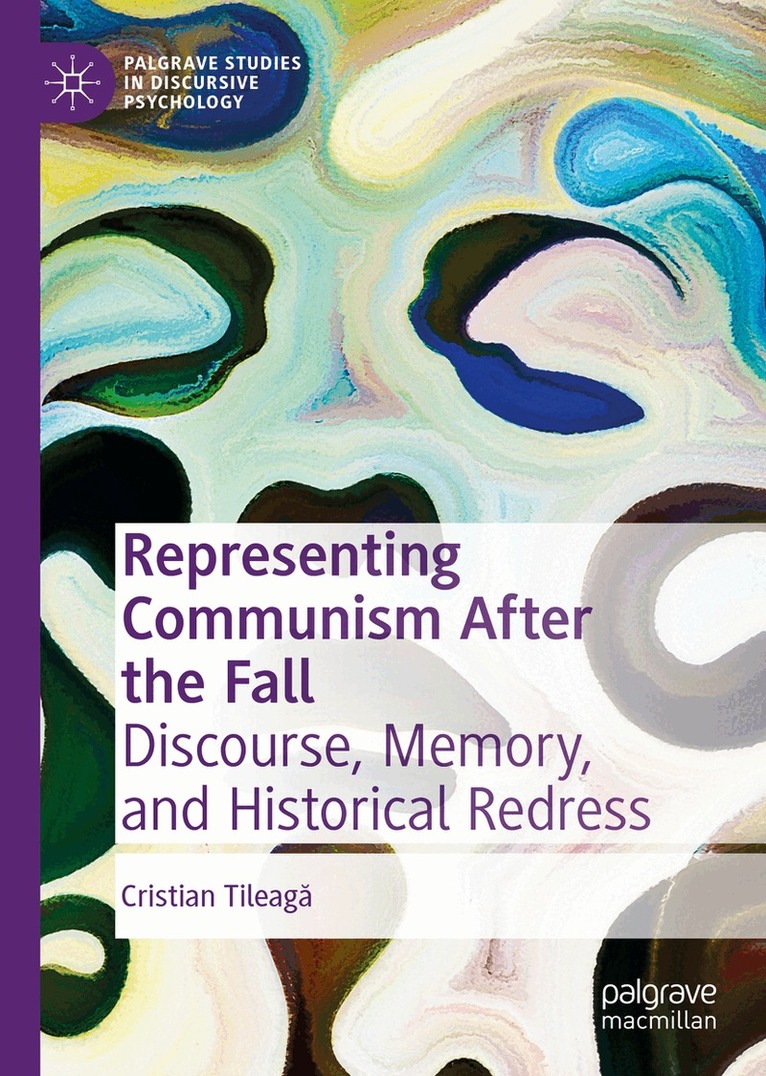
    Representing Communism After the Fall

    Discourse, Memory, and Historical Redress

    AvCristian Tileagă

    Inbunden, Engelska, 2018

    Del i serien Palgrave Studies in Discursive Psychology

    530 kr

    Beställningsvara. Skickas inom 10-15 vardagar. Fri frakt över 249 kr.

    Fler format och utgåvor

    Häftad

    530 kr

    E-bok

    690 kr

    Beskrivning

    This book explores the contribution of discursive psychology and discourse analysis to researching the relationship between history and collective memory. Analysing significant manifestations of the moral vocabulary of the Romanian transition from communism to democracy, the author demonstrates how discursive psychology can be used to understand some of the enduring and persistent dilemmas around the legacy of communism. This book argues that an understanding of language as an action-oriented, world-building resource can fill an important gap in the theorizing of public controversies over individual and collective meaning of the recent (communist) past. The author posits that discursive social psychology can serve as an intellectual and empirical bridge that can overcome several of the difficulties faced by researchers working in transitional justice studies and cognate fields. This reflective book will appeal to students and scholars of transitional justice, discursive psychology, memory studies, and the sociology of change.

    Produktinformation

    • Utgivningsdatum:2018-11-01
    • Mått:148 x 210 x 20 mm
    • Vikt:468 g
    • Format:Inbunden
    • Språk:Engelska
    • Serie:Palgrave Studies in Discursive Psychology
    • Antal sidor:262
    • Upplaga:18001
    • Förlag:Springer International Publishing AG
    • ISBN:9783319973937

    Utforska kategorier

    • Socialpsykologi och gruppsykologi inom Psykologi och pedagogik
    • Psykologi: jaget, identitet och personlighet inom Psykologi och pedagogik
    • Språkvetenskap och lingvistik inom Språk och ordböcker

    Mer om författaren

    Cristian Tileagă is Senior Lecturer in Social Psychology at the School of Social Sciences at Loughborough University, UK. His research interests include discursive psychology, prejudice and social exclusion, and interdisciplinarity. He has published widely on these topics.

    Innehållsförteckning

    • Preface.- Introduction: what does coming to terms with the past mean?.- 1. Transitional justice as situated practices.- 2. Collective and cultural memory:  ethics, politics, and avoidance in remembering communism.- 3. Communism as moral problem.- 4. Communism as Other.- 5. Mea culpa.- 6. Remembering with and through archives.- 7. Transgression and the social construction of moral meanings.- 8. Using discursive psychology to explore contested and troubled pasts.