Inbunden, Engelska, 2028
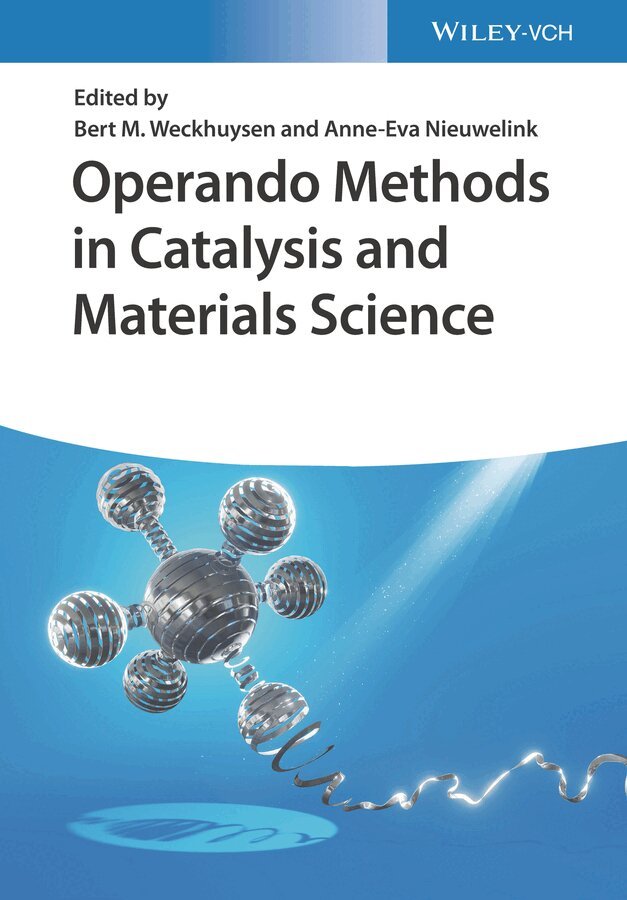
Operando Methods in Catalysis and Materials Science
Av BM Weckhuysen, Bert M. Weckhuysen, Anne-Eva Nieuwelink
1840 kr
Kommande
Beskrivning
Comprehensive overview of operando techniques applied to catalysts, batteries, and fuel cells Operando Methods in Catalysis and Materials Science highlights the latest developments on operando spectroscopy and microscopy in the field of catalysis and materials science. The work covers in great detail the methods and techniques that are crucial to study the structure and composition, performance, and the deactivation of catalysts and functional materials, such as batteries and fuel cells, under working conditions. To aid in reader comprehension, chapters are organized in two parts and written by experts of different disciplines. The first part covers achievements and the main challenges in heterogeneous catalysis, photocatalysis, electrocatalysis as well as batteries and fuel cells. The second part takes the viewpoint from the analytical technique- and characterization method-development side, covering latest advances in operando spectroscopy, operando microscopy, reactor cell design, and surface science, including data mining, and computational modeling. Sample topics covered in Operando Methods in Catalysis and Materials Science include: Why monitoring the events taking place under real working conditions is crucial to researchers for understanding the reaction and deactivation mechanisms of important chemical processesParameters of catalytic reactions, measured using analytical methods like vibrational spectroscopy, magnetic resonance techniques, optical spectroscopy, and X-ray spectroscopyHow to promote the rational design of new or more efficient solid catalysts in practical applications while out in the fieldWith its multidisciplinary approach, Operando Methods in Catalysis and Materials Science is a must-have resource for all researchers at academia and industry interested in understanding reaction and deactivation mechanisms of important chemical processes as well as the design of new or improved catalysts and functional materials.
Produktinformation
- Utgivningsdatum: 2028-06-21
- Mått: 170 x 244 x undefined mm
- Format: Inbunden
- Språk: Engelska
- Antal sidor: 550
- Förlag: Wiley-VCH Verlag GmbH
- ISBN: 9783527348015
Utforska kategorier
Betyg & recensioner
0 recensioner
Inga recensioner tillgängliga.