• Fri frakt över 249 kr
  • •
  • Snabba leveranser
  • •
  • Billiga böcker
Kundservice

Du är på sajten för privatpersoner.

Företag, bibliotek eller offentlig verksamhet?

Du handlar på classic.bokus.com, där alla dina funktioner finns intakta.
Till classic.bokus.com
Bokus logotyp. Gå till startsidan.
  • Erbjudanden
  • Nyheter
  • Student
  • Topplistor
  • Barn & ungdom
  • Bokus Play
  • E-böcker
  • Pocketböcker
  • Spel & pussel

10% rabatt på allt med kod: NYSTART10 →

Sidfot

Mina sidor

    Hjälp

    • Kundservice
    • Vanliga frågor och svar
    • Frakt och leverans
    • Retur vid ångerrätt
    • Reklamera vara
    • Betalning
    • Köpvillkor
    • Allmänna villkor
    • Information om webbplatsens tillgänglighet

    Om Bokus

    • Om oss
    • Pressrum
    • För studenter
    • För företag
    • För bibliotek och offentlig verksamhet
    • För leverantörer
    • Hållbarhet

    Populärt

    • Aktuella erbjudanden
    • Presentkort
    • Studentlitteratur
    • Nya böcker
    • Topplistor
    • Signerade böcker
    • Engelska böcker

    Inspiration

    • Boktips
    • BookTok
    • Populära bokserier
    • Barnbokskaraktärer
    • Populära författare
    Logotyp för Bokus
    Följ oss på Facebook (extern länk)Följ oss på Instagram (extern länk)Följ oss på YouTube (extern länk)Följ oss på TikTok (extern länk)
    bokus @ CookiesAnpassa cookiesIntegritetspolicyKöpvillkor
    Till Citymail hemsida (extern länk)Till Budbee hemsida (extern länk)Till Postnord hemsida (extern länk)Till Schenker hemsida (extern länk)Till Early Bird hemsida (extern länk)Till Walleys hemsida (extern länk)
    1. Kultur
    2. Musikböcker
    3. Musikvetenskap

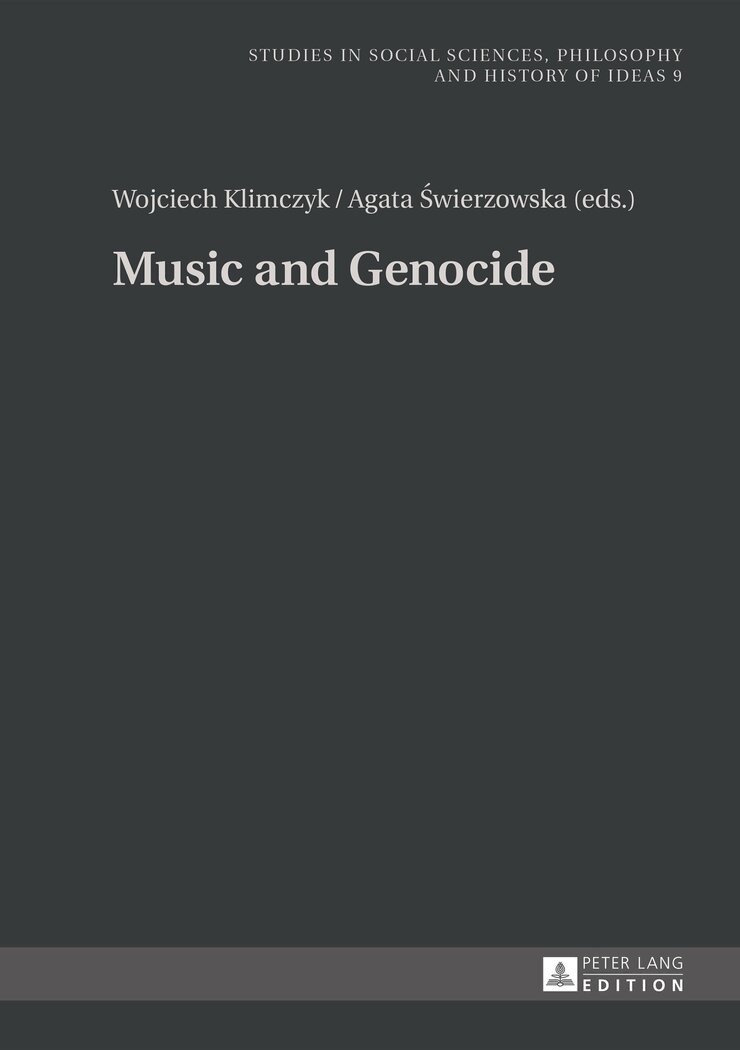
    Music and Genocide

    AvWojciech Klimczyk,Agata Świerzowska

    Inbunden, Engelska, 2015

    Del 9 i serien Studies in Social Sciences, Philosophy and History of Ideas

    787 kr

    Beställningsvara. Skickas inom 5-8 vardagar. Fri frakt över 249 kr.

    Beskrivning

    At first glance, no two experiences could be further apart than genocide and music. Yet real, live culture usually goes beyond rational divisions. It is now fairly commonly known that art is not absent from the sites of mass killings. Both victims and prosecutors engage in artistic activities in prisons and camps, as well as at other places where genocides take place. What is the music of genocide? Can the experience of ultimate terror be expressed in music? How does music reflect on genocide? How do we perceive music after genocide? What is music and what is silence in a world marked by mass killings? Is post-genocidal silence really possible or appropriate? The goal of the volume is to reveal and, maybe even to some extent, resolve the most profound dilemma that was expressed by Theodor W. Adorno when he asked «whether it is even permissible for someone who accidentally escaped and by all rights ought to have been murdered, to go on living after Auschwitz.» It is not for the sake of pure curiosity that the relation between music and genocide is examined. In a sense we are all survivors who accidentally escaped genocide. It might have happened to us. It may still happen.

    Produktinformation

    • Utgivningsdatum:2015-03-27
    • Mått:148 x 210 x 20 mm
    • Vikt:420 g
    • Format:Inbunden
    • Språk:Engelska
    • Serie:Studies in Social Sciences, Philosophy and History of Ideas
    • Antal sidor:242
    • Förlag:Peter Lang AG
    • ISBN:9783631660034

    Utforska kategorier

    • Musikvetenskap inom Kultur
    • Världsmusik inom Kultur
    • Referensverk och tvärvetenskap inom Samhälle och politik

    Mer om författaren

    Wojciech Klimczyk (PhD) and Agata Świerzowska (PhD) are university lecturers at the Centre for Comparative Studies of Civilisations (CCSC) at the Jagiellonian University in Krakow (Poland). Since its foundation in 1996, the Centre for Comparative Studies of Civilizations (CCSC) has forged a distinct identity and earned a solid reputation as an interdisciplinary research and academic department unparalleled in Central Europe.

    Innehållsförteckning

    • Contents: M. J. Grant/Mareike Jacobs/Rebecca Möllemann/Simone Christine Münz/Cornelia Nuxoll: Music, the «Third Reich», and «The 8 Stages of Genocide» – Arman Goharinasab/Azadeh Latifkar Geok Tepe Muğam: A Musical Narrative of Turkmen Massacre in 1881 – Katarzyna Naliwajek- Mazurek: The Functions of Music within the Nazi System of Genocide in Occupied Poland – Joanna Posłuszna/Łukasz Posłuszny: The Aural Landscape of Majdanek – Kirsten Dyck: White-Power Music and the Memory of the Holocaust – Leszek Sosnowski: The Holocaust - the Code of Death without the Alphabet of Life – Ralph Buchenhorst: «…as if the shame before the victims would be offended» - Adorno’s Verdict on Arnold Schoenberg’s A Survivor from Warsaw – Matt Lawson: Towards a Critical Understanding of Representational and Semantic Issues within Hanns Eisler’s Score for Nuit et Brouillard (1955) – Joanna Posłuszna: «We remember»: The Trauma of the Holocaust in Krzysztof Penderecki’s Work – Wojciech Klimczyk: Impossible Music? On Genocide as Silence (Rwanda, Auschwitz and Beyond) – Lawrence Kramer: Afterword: Genocide, Music, and the Name.