• Fri frakt över 249 kr
  • •
  • Snabba leveranser
  • •
  • Billiga böcker
Kundservice

Du är på sajten för privatpersoner.

Företag, bibliotek eller offentlig verksamhet?

Du handlar på classic.bokus.com, där alla dina funktioner finns intakta.
Till classic.bokus.com
Bokus logotyp. Gå till startsidan.
  • Erbjudanden
  • Nyheter
  • Student
  • Topplistor
  • Barn & ungdom
  • Bokus Play
  • E-böcker
  • Pocketböcker
  • Spel & pussel

10% rabatt på allt med kod: NYSTART10 →

Sidfot

Mina sidor

    Hjälp

    • Kundservice
    • Vanliga frågor och svar
    • Frakt och leverans
    • Retur vid ångerrätt
    • Reklamera vara
    • Betalning
    • Köpvillkor
    • Allmänna villkor
    • Information om webbplatsens tillgänglighet

    Om Bokus

    • Om oss
    • Pressrum
    • För studenter
    • För företag
    • För bibliotek och offentlig verksamhet
    • För leverantörer
    • Hållbarhet

    Populärt

    • Aktuella erbjudanden
    • Presentkort
    • Studentlitteratur
    • Nya böcker
    • Topplistor
    • Signerade böcker
    • Engelska böcker

    Inspiration

    • Boktips
    • BookTok
    • Populära bokserier
    • Barnbokskaraktärer
    • Populära författare
    Logotyp för Bokus
    Följ oss på Facebook (extern länk)Följ oss på Instagram (extern länk)Följ oss på YouTube (extern länk)Följ oss på TikTok (extern länk)
    bokus @ CookiesAnpassa cookiesIntegritetspolicyKöpvillkor
    Till Citymail hemsida (extern länk)Till Budbee hemsida (extern länk)Till Postnord hemsida (extern länk)Till Schenker hemsida (extern länk)Till Early Bird hemsida (extern länk)Till Walleys hemsida (extern länk)
    1. Kultur
    2. Konstböcker
    3. Konsthistoria

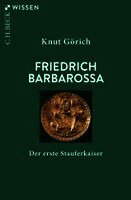
    Cappenberg - der Kopf, das Kloster und seine Stifter

    1122–2022

    AvKnut Görich

    Inbunden, Tyska, 2022

    847 kr

    Tillfälligt slut

    Beskrivning

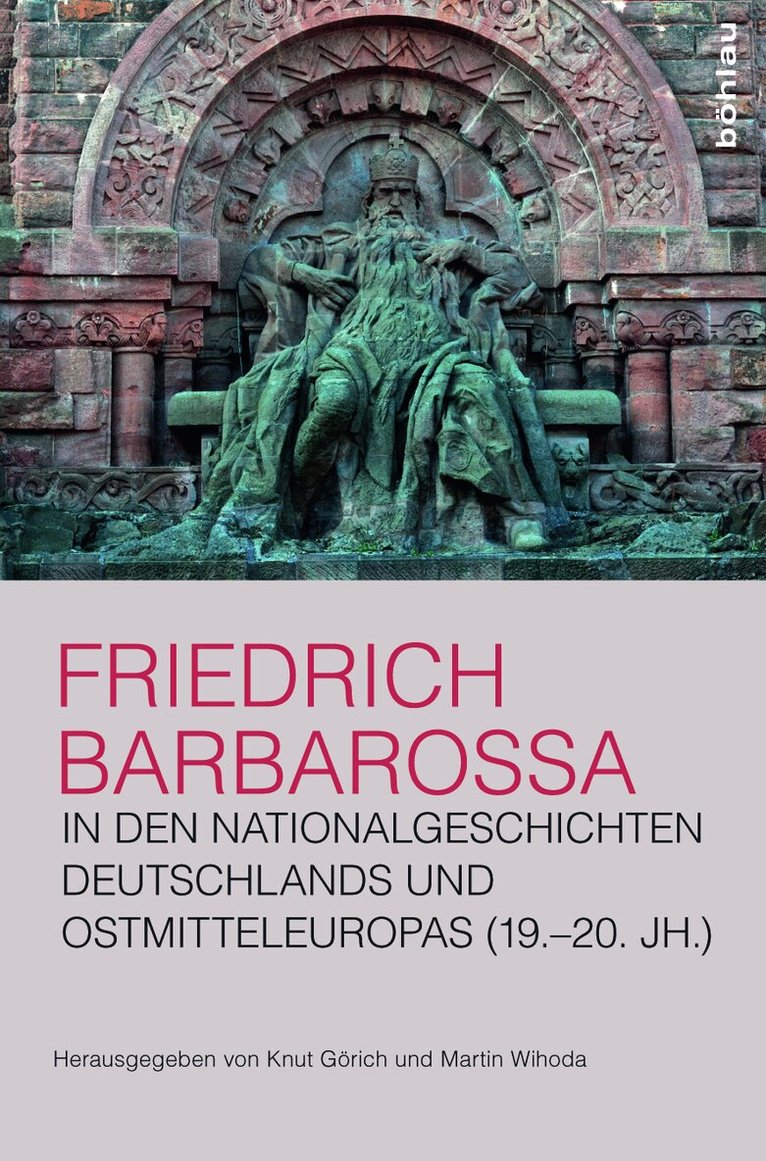
    The so-called Cappenberger Barbarossakopf is one of the most famous and well-known monuments of 12th century art. It is now kept in the former monastery church of the Premonstratensian monastery of Cappenberg, the collegiate church of St. John the Evangelist. This book sheds new light on the importance of Cappenberg for the spread of the Premonstratensians, but above all it explains the origin, function and significance of the Cappenberg head.The head raises many questions: Who does the head actually represent? What is its liturgical function? How can the head be historically contextualized? How can the identification of the head with the Hohenstaufen Emperor Frederick Barbarossa be explained? Does this attribution still hold true? A conference in Cappenberg in 2019 attempted to answer these questions; this book publishes the papers presented at that conference.The head has long been regarded as a portrait of the Hohenstaufen Emperor Frederick I Barbarossa (1122–1190). However, previously unpublished results of a material engineering investigation from 1977/78 require a new definition of the context in which the work was created. What are the consequences for the understanding of the head? In addition to the consistent reference to the object, the foundation of the Premonstratensian monastery of Cappenberg is the focus of many of the contributions to the book. What influence did Otto von Cappenberg’s godparenthood of Friedrich Barbarossa have on the furnishings of the monastery? The contributions shed new light on the importance of Cappenberg for the spread of the Premonstratensians.

    Produktinformation

    • Utgivningsdatum:2022-04-11
    • Mått:210 x 280 x undefined mm
    • Vikt:2 231 g
    • Format:Inbunden
    • Språk:Tyska
    • Antal sidor:448
    • Förlag:Schnell & Steiner GmbH, Verlag
    • ISBN:9783795436124

    Utforska kategorier

    • Konsthistoria inom Kultur

    Mer om författaren

    Mit Beiträgen von Clemens M. M. Bayer, Wolfgang Bockhorst, Wibke Bornkessel, Michael Brandt, Jürgen Dendorfer, Knut Görich, Henrike Haug, Ingrid Ehlers-Kisseler, Bernhard Jussen, Jan Keupp, Lothar Lambacher, Gerhard Lubich, Joanna Olchawa, Ferdinand Opll, Boaz Paz, Ulrich Rehm, Hedwig Röckelein und Maria Burgard.

    Innehållsförteckning

    • 12. Jahrhundert (1100 bis 1199 n. Chr.)