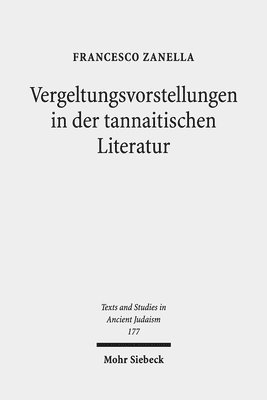
Lexical Field of the Substantives of “Gift” in Ancient Hebrew
Del 54 i serien Studia Semitica Neerlandica
3 573 kr
Beställningsvara. Skickas inom 3-6 vardagar. Fri frakt över 249 kr.
Beskrivning
Produktinformation
- Utgivningsdatum:2010-07-07
- Mått:155 x 235 x 37 mm
- Vikt:946 g
- Format:Inbunden
- Språk:Engelska
- Serie:Studia Semitica Neerlandica
- Antal sidor:478
- Förlag:Brill
- ISBN:9789004178731
Utforska kategorier
Mer om författaren
Francesco Zanella, Ph.D. (2006) in Semantics of Ancient Hebrew, University of Florence, is research assistant at the Universities of Siegen and Bonn in the framework of the ThWQ Project (Theologisches Wörterbuch zu den Qumrantexten).
Recensioner i media
"Zanella consistently sets out his position clearly and creatively, and justifies it lucidly and persuasively. There is, ultimately, no doubt that Zanella has succeeded in what he set out to do -- to provide a set of objective, coherent and useful results concerning the lexical field of 'gift' in Ancient Hebrew, while acknowledging that those results must remain 'partial, relative, and connected to a specific semantic theory' (p. 61)." Marilyn Burton, University of Edinburgh in The Expository Times vol. 124, no. 12, September 2013, pp. 619-620.
Innehållsförteckning
- CONTENTSAcknowledgements ............................................................................ xiForeword ............................................................................................. xiiiAbbreviations ..................................................................................... xvMethodological Framework ............................................................. 11 Biblical Hebrew or Ancient Hebrew? Between Languageand Corpus .............................................................................. 12 Componential Analysis of Meaning .................................... 122.1 Why Componential Analysis of Meaning? ............... 122.2 Theoretical Framework ................................................ 152.3 Research Procedures of Componential Analysis ..... 373 Between Synchrony and Diachrony: ComponentialAnalysis and the Issue of Linguistic Change ....................... 464 Componential Analysis as a Heuristic Tool for CognitiveSemantics? Some Methodological Considerations ........... 52Part One Distributional and Syntagmatic Analysis .................. 63Lexeme 1: 63 ............................................................................ אֶשְׁכָּרLexeme 2: 66 ............................................................... אֶתְנָה / אֶתְנַןLexeme 3: 74 ............................................................................. בְּרָכָהLexeme 4: 82 ......................................................................... הַבְ ׇ הבִיםLexeme 5: 84 ................................................................................ זֶבֶדLexeme 6: 90 ............................................................................... כֹּפֶרLexeme 7: 103 ................................................................................ מֶגֶדLexeme 8: 107 .......................................................................... מִגְדָּנוֺתLexeme 9: 111 ............................................................................... מֹהַרLexeme 10: 115 .............................................................................. מָנָהLexeme 11: 128 ........................................................................... מִנְחָהLexeme 12: 165 ......................................................................... מַשְֺאֵתLexeme 13: 175 .............................................................................. מַתָּןLexeme 14: 181 ........................................................................... מַתָּנָהLexeme 15: 196 ............................................................................ מַתָּתLexeme 16: 203 ............................................................................ נְדָבָהLexeme 17: 219 .............................................................................. נֵדֶהLexeme 18: 221 ............................................................................... נָדָןLexeme 19: 223 .............................................................................. נֶדֶרLexeme 20: 240 ............................................................................ קָרְבָּןLexeme 21: 253 ............................................................................. שָׂכָרLexeme 22: 265 ............................................................................ שֹׁחַדLexeme 23: 277 ................................................................................ שַׁיLexeme 24: 280 ....................................................................... שִׁלּוּחִיםLexeme 25: 284 ........................................................... שִׁלּוּ ׇ מה / שִׁלּוּםLexeme 26: 292 ....................................................................... שַׁלְמֹנִיםLexeme 27: 295 ......................................................................... תְּרוּמָהLexeme 28: 316 ........................................................................ תְּשׁוּרָהPart Two Paradigmatic Analysis .................................................. 319Lexeme 1: 319 ............................................................................ אֶשְׁכָּרLexeme 2: 320 ............................................................... אֶתְנָה / אֶתְנַןLexeme 3: 322 ............................................................................. בְּרָכָהLexeme 4: 324 ......................................................................... הַבְ ׇ הבִיםLexeme 5: 325 ................................................................................ זֶבֶדLexeme 6: 326 ............................................................................... כֹּפֶרLexeme 7: 330 ................................................................................ מֶגֶדLexeme 8: 331 .......................................................................... מִגְדָּנוֹתLexeme 9: 333 ............................................................................... מֹהַרLexeme 10: 335 .............................................................................. מָנָהLexeme 11: 338 ........................................................................... מִנְחָהLexeme 12: 345 ......................................................................... מַשְֺאֵתLexeme 13: 348 .............................................................................. מַתָּןLexeme 14: 351 ........................................................................... מַתָּנָהLexeme 15: 355 ............................................................................ מַתָּתLexeme 16: 358 ............................................................................ נְדָבָהLexeme 17: 361 .............................................................................. נֵדֶהLexeme 18: 362 ............................................................................... נָדָןLexeme 19: 363 .............................................................................. נֶדֶרLexeme 20: 367 ............................................................................ קָרְבָּןLexeme 21: 370 ............................................................................. שָׂכָרLexeme 22: 374 ............................................................................ שֹׁחַדLexeme 23: 377 ................................................................................ שַׁיLexeme 24: 379 ....................................................................... שִׁלּוּחִיםLexeme 25: 380 ........................................................... שִׁלּוּ ׇ מה / שִׁלּוּםLexeme 26: 382 ....................................................................... שַׁלְמֹנִיםLexeme 27: 384 ......................................................................... תְּרוּמָהLexeme 28: 388 ........................................................................ תְּשׁוּרָהPart Three A Synoptic Overview ................................................. 389Section 1: The Lexical Field of the Substantives of ‘Gift’ inArchaic Biblical Hebrew .......................................................... 389Section 2: The Lexical Field of the Substantives of ‘Gift’ inStandard Narrative Hebrew .................................................... 391Section 3: The Lexical Field of the Substantives of ‘Gift’ inStandard Poetic Hebrew .......................................................... 394Section 4: The Lexical Field of the Substantives of ‘Gift’ inStandard Juridical-Cultic Hebrew .......................................... 397Section 5: The Lexical Field of the Substantives of ‘Gift’ inLate Narrative Hebrew ............................................................. 400Section 6: The Lexical Field of the Substantives of ‘Gift’ inLate Poetic Hebrew ................................................................... 402Section 7: The Lexical Field of the Substantives of ‘Gift’ inBen Sira Hebrew ....................................................................... 404Section 8: The Lexical Field of the Substantives of ‘Gift’ inthe Narrative Language of Qumran ...................................... 406Section 9: The Lexical Field of the Substantives of ‘Gift’ inthe Poetic Language of Qumran ............................................ 407Section 10: The Lexical Field of the Substantives of ‘Gift’ inthe Juridical-Cultic Language of Qumran ............................ 409Section 11: The Lexical Field of the Substantives of ‘Gift’ inthe Sectarian Language of Qumran ....................................... 411Part Four Final Glossary ............................................................... 415Appendix Language and Culture: Towards the Conceptof ‘Gift’ ............................................................................................ 443Bibliography ........................................................................................ 453Index of References ........................................................................... 465Index of Authors ................................................................................ 472
Mer från samma författare
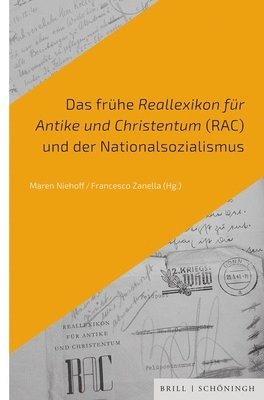
Das Frühe Reallexikon Für Antike Und Christentum (Rac) Und Der Nationalsozialismus
Maren Niehoff, Francesco Zanella
958 kr
Mer från samma serie
Tradition and Innovation in Biblical Interpretation
Willem Th. van Peursen, Janet Dyk
3 546 kr
Du kanske också är intresserad av
Approaches to Literary Readings of Ancient Jewish Writings
Klaas Smelik, Karolien Vermeulen
2 607 kr