• Fri frakt över 249 kr
  • •
  • Snabba leveranser
  • •
  • Billiga böcker
Kundservice

Du är på sajten för privatpersoner.

Företag, bibliotek eller offentlig verksamhet?

Du handlar på classic.bokus.com, där alla dina funktioner finns intakta.
Till classic.bokus.com
Bokus logotyp. Gå till startsidan.
  • Erbjudanden
  • Nyheter
  • Student
  • Topplistor
  • Barn & ungdom
  • Bokus Play
  • E-böcker
  • Pocketböcker
  • Spel & pussel

10% rabatt på allt med kod: NYSTART10 →

Sidfot

Mina sidor

    Hjälp

    • Kundservice
    • Vanliga frågor och svar
    • Frakt och leverans
    • Retur vid ångerrätt
    • Reklamera vara
    • Betalning
    • Köpvillkor
    • Allmänna villkor
    • Information om webbplatsens tillgänglighet

    Om Bokus

    • Om oss
    • Pressrum
    • För studenter
    • För företag
    • För bibliotek och offentlig verksamhet
    • För leverantörer
    • Hållbarhet

    Populärt

    • Aktuella erbjudanden
    • Presentkort
    • Studentlitteratur
    • Nya böcker
    • Topplistor
    • Signerade böcker
    • Engelska böcker

    Inspiration

    • Boktips
    • BookTok
    • Populära bokserier
    • Barnbokskaraktärer
    • Populära författare
    Logotyp för Bokus
    Följ oss på Facebook (extern länk)Följ oss på Instagram (extern länk)Följ oss på YouTube (extern länk)Följ oss på TikTok (extern länk)
    bokus @ CookiesAnpassa cookiesIntegritetspolicyKöpvillkor
    Till Citymail hemsida (extern länk)Till Budbee hemsida (extern länk)Till Postnord hemsida (extern länk)Till Schenker hemsida (extern länk)Till Early Bird hemsida (extern länk)Till Walleys hemsida (extern länk)
    1. Kultur
    2. Scenkonst och film
    3. Television

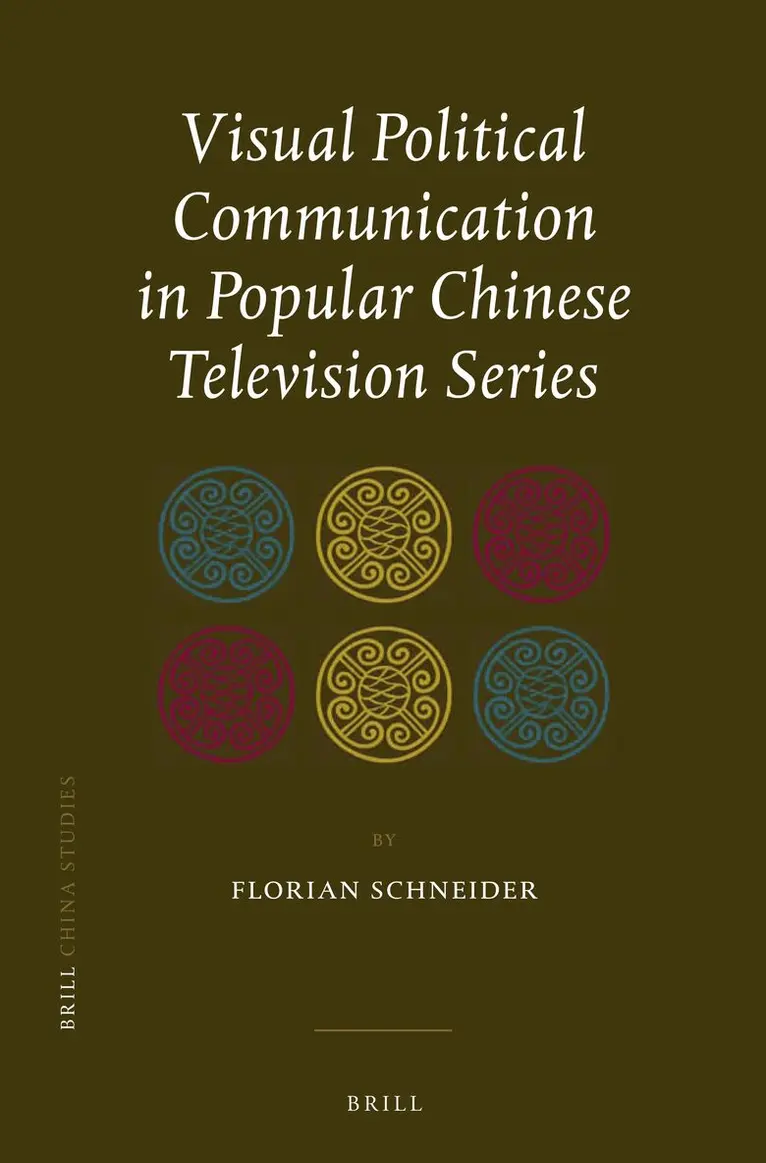
    Visual Political Communication in Popular Chinese Television Series

    AvFlorian Schneider

    Inbunden, Engelska, 2012

    Del 22 i serien China Studies

    2 548 kr

    Beställningsvara. Skickas inom 5-8 vardagar. Fri frakt över 249 kr.

    Beskrivning

    Visual Political Communication in Popular Chinese Television Series has been granted the EastAsiaNet 2014 Award!In Visual Political Communication in Popular Chinese Television Series, Florian Schneider analyses political discourses in Chinese TV dramas, the most popular entertainment format in China today. Schneider shows that despite their often nationalistic stories of glorious emperors and courageous officials, such programmes should not be mistaken for official propaganda. Instead, the highly didactical messages of such series are the outcome of complex cultural governance practices, which are influenced by diffuse political interests, commercial considerations, viewing habits, and ideological assumptions. Schneider argues that these interlinking factors lead to a highly restrictive creative environment and to conservative entertainment content that ultimately risks creating precisely the kind of passive masses that Chinese media workers and government officials are trying so hard to emancipate.

    Produktinformation

    • Utgivningsdatum:2012-09-14
    • Mått:155 x 235 x 23 mm
    • Vikt:622 g
    • Format:Inbunden
    • Språk:Engelska
    • Serie:China Studies
    • Antal sidor:296
    • Förlag:Brill
    • ISBN:9789004221482

    Utforska kategorier

    • Television inom Kultur

    Mer om författaren

    Florian Schneider, Ph.D. (2009), University of Sheffield, is Lecturer for the Politics of Modern China at the Leiden University Institute of Area Studies. His research focuses on political communication and mass media in contemporary China.

    Innehållsförteckning

    • Acknowledgements1. Introduction: Cultural Governance and Chinese TV Drama SeriesChinese TV content between liberalisation and controlRegulating TV content to regulate Chinese society – an issue of cultural governanceResearching popular TV series – a semiotic approach to visual discourseStructure of this bookPART 1: Political Discourse in Popular TV Series2. The State and its Officials in TV DramasEmperor Wu – the benevolent rulerThe Commissioner and his superior - devoted CCP officials and government leaders Professional bureaucrats and effective state administration3. Securing the State: Law Enforcement and Military ActionHuman trafficking and loitering: public security as comical plot complicationStrong men and their war against crimeSecuring the homeland through warfare4. Justifying the State: Political Legitimacy and AccountabilityWholeheartedly serving the peopleThe perfect hero and model workerThe masses are watchingConstructing the general publicPART 2: The Factors of Discourse Production5. Creating the Political Discourses of TV DramasChinese production companiesRisks and moral hazards in China’s drama marketInvestors and their motivesCreatives at work – planning and producing a TV drama seriesSelling the drama – marketing and distribution in the Chinese TV drama marketThe Buyers: TV Stations and their motivesThe forces of production6. The Chinese Television Drama AudienceConstructing the audience: the Chinese audience measurement systemFinding an audience: who watches TV dramas in China?Addressing the audience: broadcasting conventions and viewing habitsLikes and dislikes: the genres that audiences watchTV as a public sphere? The role of audience feedback7. Government Regulations and Censorship MechanismsEffectiveness of media governing mechanismsState institutions involved in television censorshipThe Party’s propaganda systemLegal and administrative censorship toolsMoney rules – the financial side of censorshipAnacondas in chandeliers – uncertainty as a governance mechanismA new snake nesting in the chandelier? The power of persuasion8. Chinese Perceptions of Television’s Function and InfluenceMedia content’s impact on viewersPossible effects of harmful contentRisk groupsJustifications of censorship and government control in ChinaPutting censorship advocacy into perspectiveThe didactical functions of TVMaking successful dramasThe psychological and social relevance of TV drama9. Conclusion: Chinese TV Discourses and the Factors of their ProductionHomogeneity in drama discourses and the didactics of TV entertainmentVisuality, emotions, and the construction of imagined communityThe ruptures in TV drama discoursesThe factors of drama productionThe effectiveness of cultural governanceGlossary of Technical TermsBibliographyAppendixAppendix 1a: Methodological notes – analysing TV drama contentAppendix 1b: Methodological notes – interview analysisAppendix 2: Central Members of the Production Team and their FunctionsAppendix 3: DirectorsAppendix 4: Positive Viewer Feedback as Presented by CUC researchersAppendix 5: Negative Viewer Feedback as Presented by CUC researchersAppendix 6: Main Functions of the SARFT (国家广电总局主要职能)Appendix 7: SARFT Organisational Structure and Main JurisdictionsAppendix 8: 2004 SARFT Censorship Regulation Decree No.40Index