• Fri frakt över 249 kr
  • •
  • Snabba leveranser
  • •
  • Billiga böcker
Kundservice

Du är på sajten för privatpersoner.

Företag, bibliotek eller offentlig verksamhet?

Du handlar på classic.bokus.com, där alla dina funktioner finns intakta.
Till classic.bokus.com
Bokus logotyp. Gå till startsidan.
  • Erbjudanden
  • Nyheter
  • Student
  • Topplistor
  • Barn & ungdom
  • Bokus Play
  • E-böcker
  • Pocketböcker
  • Spel & pussel

10% rabatt på allt med kod: NYSTART10 →

Sidfot

Mina sidor

    Hjälp

    • Kundservice
    • Vanliga frågor och svar
    • Frakt och leverans
    • Retur vid ångerrätt
    • Reklamera vara
    • Betalning
    • Köpvillkor
    • Allmänna villkor
    • Information om webbplatsens tillgänglighet

    Om Bokus

    • Om oss
    • Pressrum
    • För studenter
    • För företag
    • För bibliotek och offentlig verksamhet
    • För leverantörer
    • Hållbarhet

    Populärt

    • Aktuella erbjudanden
    • Presentkort
    • Studentlitteratur
    • Nya böcker
    • Topplistor
    • Signerade böcker
    • Engelska böcker

    Inspiration

    • Boktips
    • BookTok
    • Populära bokserier
    • Barnbokskaraktärer
    • Populära författare
    Logotyp för Bokus
    Följ oss på Facebook (extern länk)Följ oss på Instagram (extern länk)Följ oss på YouTube (extern länk)Följ oss på TikTok (extern länk)
    bokus @ CookiesAnpassa cookiesIntegritetspolicyKöpvillkor
    Till Citymail hemsida (extern länk)Till Budbee hemsida (extern länk)Till Postnord hemsida (extern länk)Till Schenker hemsida (extern länk)Till Early Bird hemsida (extern länk)Till Walleys hemsida (extern länk)
    1. Juridik
    2. Rättsvetenskap
    3. Juridik: metod och teori
    4. Rättssystem

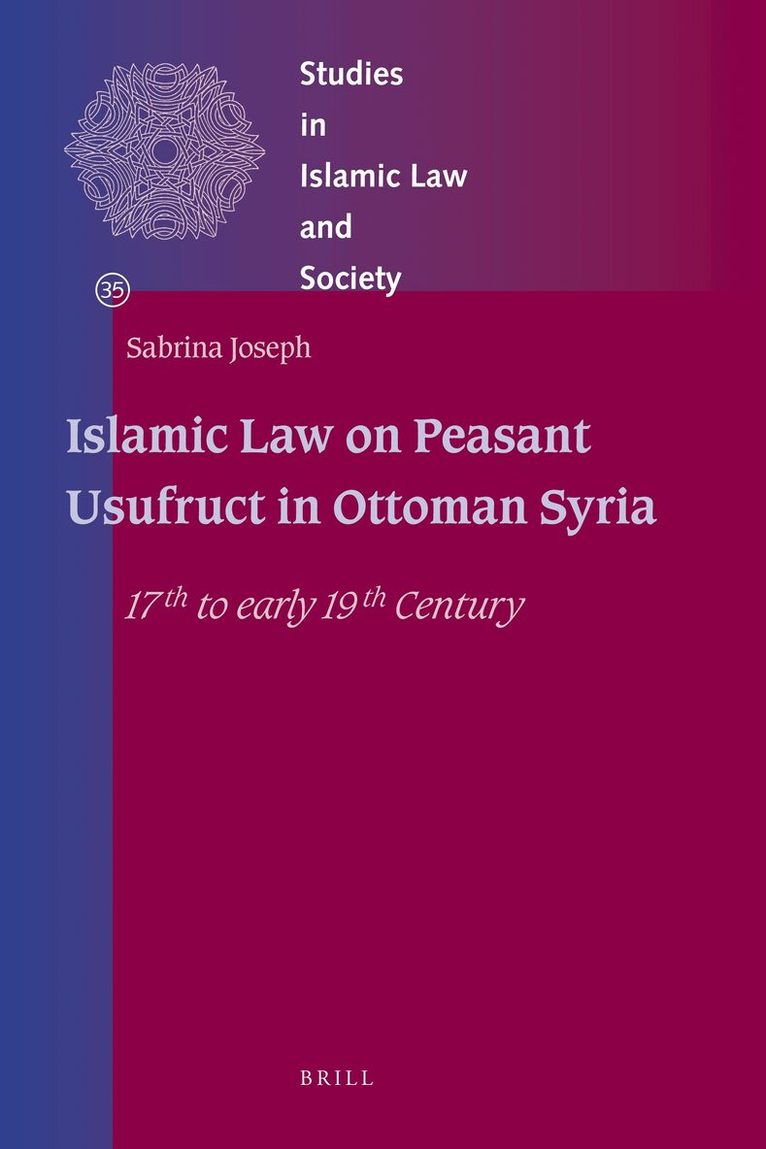
    Islamic Law on Peasant Usufruct in Ottoman Syria

    17th to early 19th Century

    AvSabrina Joseph

    Inbunden, Engelska, 2012

    Del 35 i serien Studies in Islamic Law and Society

    2 290 kr

    Beställningsvara. Skickas inom 5-8 vardagar. Fri frakt över 249 kr.

    Beskrivning

    Drawing on Hanafi fatawa and legal commentaries from Ottoman Syria between the 17th and early 19th centuries, this book examines the legal status of tenants and sharecroppers on arable lands, most of which were state or waqf properties. Challenging existing scholarship which argues that the status of cultivators gradually eroded after the 16th century, this study explores how jurists balanced the rights and obligations of tenants and landlords, thereby ensuring the adaptability of the Ottoman land system. The work addresses the differences between sharecropping and tenancy arrangements, the limitations that governed state and waqf officials, and the interplay between shariʿa and qanun in shaping land laws. The book also illustrates the doctrinal development of the law and sheds light on notions of 'ownership’, ideas of private vs. public good, and prevailing conceptions of social and economic justice.

    Produktinformation

    • Utgivningsdatum:2012-05-08
    • Mått:155 x 235 x 17 mm
    • Vikt:472 g
    • Format:Inbunden
    • Språk:Engelska
    • Serie:Studies in Islamic Law and Society
    • Antal sidor:202
    • Förlag:Brill
    • ISBN:9789004228351

    Utforska kategorier

    • Rättssystem inom Juridik
    • Finansiering inom Ekonomi och Ledarskap
    • Mellanösterns historia inom Historia och arkeologi

    Mer om författaren

    Sabrina Joseph, Ph.D. (2005) in History, Georgetown University, is Associate Professor of International Studies and Co-Chair of the Department of Humanities and Social Sciences at Zayed University, Dubai, UAE. She has published on tenant land rights in Ottoman Syria and early modern France and on the application of law vis à vis Christians in the shariʿa courts of Ottoman Greece in journals including: Rural History: Economy, Society, Culture and Islam and Christian-Muslim Relations.

    Recensioner i media

    "The book is an important contribution to the study of the Ottoman reality. [...] ... a mind stimulating book which opens new fields of research in our attempt to comprehend the puzzling Ottoman world." - Demetrios Papastamatiou, in: Journal of Oriental and African Studies 22 (2013), 375-380