• Fri frakt över 249 kr
  • •
  • Snabba leveranser
  • •
  • Billiga böcker
Kundservice

Du är på sajten för privatpersoner.

Företag, bibliotek eller offentlig verksamhet?

Du handlar på classic.bokus.com, där alla dina funktioner finns intakta.
Till classic.bokus.com
Bokus logotyp. Gå till startsidan.
  • Erbjudanden
  • Nyheter
  • Student
  • Topplistor
  • Barn & ungdom
  • Bokus Play
  • E-böcker
  • Pocketböcker
  • Spel & pussel

Må bättre, för mindre! Upp till 50% rabatt på hälsoböcker

Sidfot

Mina sidor

    Hjälp

    • Kundservice
    • Vanliga frågor och svar
    • Frakt och leverans
    • Retur vid ångerrätt
    • Reklamera vara
    • Betalning
    • Köpvillkor
    • Allmänna villkor
    • Information om webbplatsens tillgänglighet

    Om Bokus

    • Om oss
    • Pressrum
    • För studenter
    • För företag
    • För bibliotek och offentlig verksamhet
    • För leverantörer
    • Hållbarhet

    Populärt

    • Aktuella erbjudanden
    • Presentkort
    • Studentlitteratur
    • Nya böcker
    • Topplistor
    • Signerade böcker
    • Engelska böcker

    Inspiration

    • Boktips
    • BookTok
    • Populära bokserier
    • Barnbokskaraktärer
    • Populära författare
    Logotyp för Bokus
    Följ oss på Facebook (extern länk)Följ oss på Instagram (extern länk)Följ oss på YouTube (extern länk)Följ oss på TikTok (extern länk)
    bokus @ CookiesAnpassa cookiesIntegritetspolicyKöpvillkor
    Till Citymail hemsida (extern länk)Till Budbee hemsida (extern länk)Till Postnord hemsida (extern länk)Till Schenker hemsida (extern länk)Till Early Bird hemsida (extern länk)Till Walleys hemsida (extern länk)
    1. Historia och arkeologi
    2. Historia

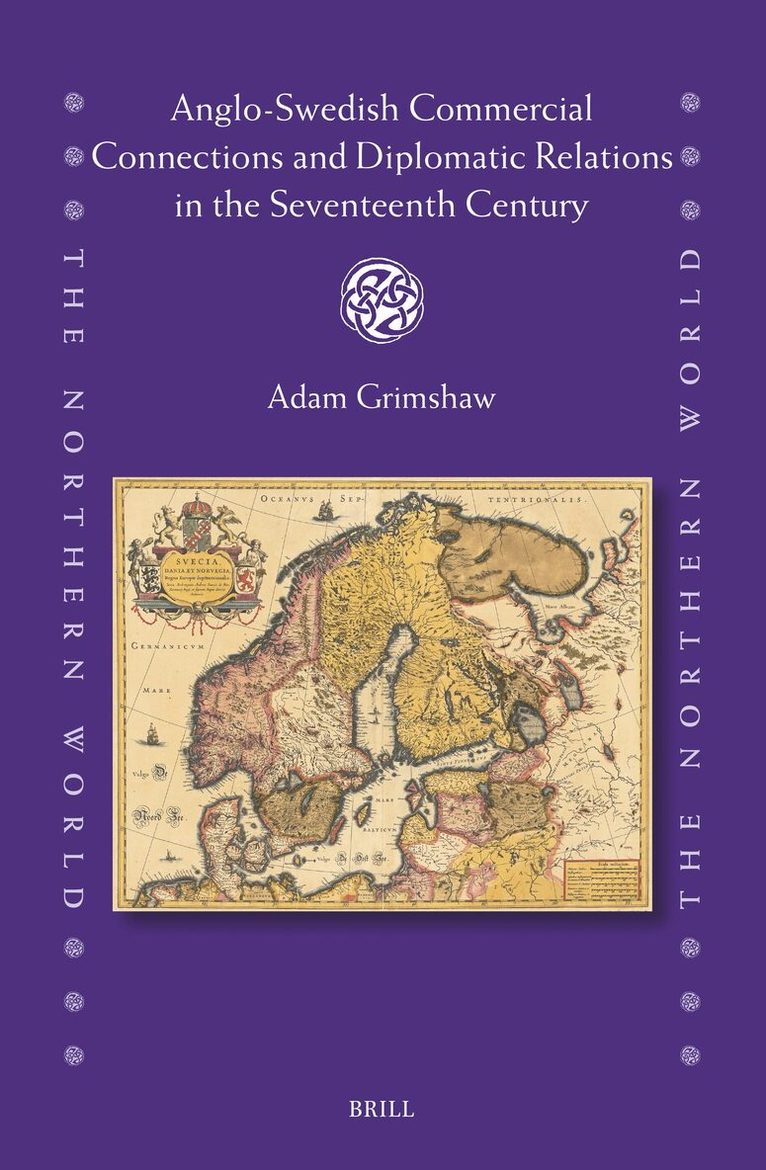
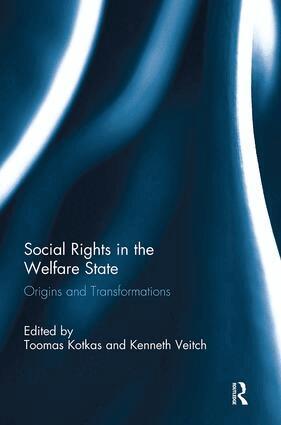
    Royal Police Ordinances in Early Modern Sweden

    The Emergence of Voluntaristic Understanding of Law

    AvToomas Kotkas

    Inbunden, Engelska, 2013

    Del 64 i serien Northern World

    2 251 kr

    Tillfälligt slut

    Beskrivning

    Royal Police Ordinances in Early Modern Sweden offers a comprehensive account of the legal regulation of 16th- and 17th-century Swedish society. In comparison to present-day usage, during the early modern period the term ‘police’ had a broader meaning. It referred to ‘good societal order’ covering a variety of areas of societal life such as public finances, commerce, professions, infrastructure, public health and poor relief, public morality, public security, and so on.Through an analysis of a large body of ordinances Toomas Kotkas claims that in 17th-century Sweden a new, voluntaristic understanding of law emerged. Royal police ordinances were no longer perceived merely as a means of enforcing older medieval law but instead as an instrument of directing society towards aspired-to goals.

    Produktinformation

    • Utgivningsdatum:2013-10-04
    • Mått:155 x 235 x 19 mm
    • Vikt:516 g
    • Format:Inbunden
    • Språk:Engelska
    • Serie:Northern World
    • Antal sidor:234
    • Förlag:Brill
    • ISBN:9789004258945

    Utforska kategorier

    • Historia inom Historia och arkeologi
    • Rättshistoria inom Juridik

    Mer om författaren

    Toomas Kotkas, LL.D. (2004), is Professor of Jurisprudence and Social Law at the University of Eastern Finland. His work comprises monographs and articles on a variety of topics in the fields of legal history, legal philosophy and social law.

    Innehållsförteckning

    • Acknowledgements ... xiAbbreviations ... xiiiI Introduction ... 1Research on Early Modern Police ... 1Aims and Objectives of the Study ... 8Research Material and Method ... 12II Legislative Theory and Police in Early Modern Sweden ... 21Development in Germany and France ... 21Sweden and European Examples ... 26Konungastyrelsen ... 26Peder Mansson’s Barnabok ... 29Johan Skytte’s Een kort Vnderwijsning ... 31III Royal Police Ordinances between 1523 and 1611: Enforcement of Medieval Law ... 35Swedish Society during the Sixteenth Century ... 35Fields of Regulation ... 40Societal and Social Order, Religion ... 40Public Safety and Order ... 48Poor Relief, Public Health, Education and Schooling, Culture ... 55Economic System and Professions ... 59Land Division, Public Construction, Real Estate, and Public Institutions ... 68Justification of Ordinances ... 71Political Arguments: ‘Benefit of the Realm and its Inhabitants’ and ‘Good Order’ ... 71Religious Arguments: ‘The Wrath of God’ ... 75Logic of Ordinances ... 79Impetus for Issuing Ordinances ... 79Addressees ... 82Recurrence of Ordinances ... 84Police Ordinances and Medieval Law ... 86Summary ... 91IV Royal Police Ordinances between 1612 and 1718: Making of New Law ... 95Swedish Society during the Seventeenth Century ... 95Fields of Regulation ... 99Societal and Social Order, Religion ... 100Public Safety and Order ... 114Poor Relief, Public Health, Education and Schooling, Culture ... 124Economic System and Professions ... 131Land Division, Public Construction, Real Estate, and Public Institutions ... 150Justification of Ordinances ... 155Political Arguments: ‘Benefit of the Realm and its Inhabitants’ and ‘Good Order’ ... 155Religious Arguments: ‘God’s Blessing’ ... 161Legal Arguments: Other Legal Sources and Foreign Law ... 164Economic Arguments: ‘Flux of Commerce’ ... 167Logic of Ordinances ... 174Impetus for Issuing Ordinances and Addressees ... 174Police Ordinances and Medieval Law ... 176New Rhetoric: ‘Intentions’ and ‘Effects’ ... 181Summary ... 184V Scientification of Police: The End of the Broad Conception of Police ... 189Police Science in Germany ... 189Antecedents of Police Science in Sweden ... 191Laurentius Petri’s OEconomia Christiana ... 192Per Brahe’s Oeconomia ... 194Schering Rosenhane’s Oeconomia ... 196Anders Bachmanson’s Arcana Oeconomiæ et Commercii ... 197Swedish Eighteenth-Century Treatises on Police Science ... 199Nicolas Delamare’s Traité de la Police as a source of inspiration ... 199Christian Konig’s Lagfarenheten i Politie-mål ... 201Anders Berch’s Inledning till Almänna Hushålningen ... 204Summary ... 206VI Conclusions ... 209Sources and Literature ... 221Index of Names and Subjects ... 231