• Fri frakt över 249 kr
  • •
  • Snabba leveranser
  • •
  • Billiga böcker
Kundservice

Du är på sajten för privatpersoner.

Företag, bibliotek eller offentlig verksamhet?

Du handlar på classic.bokus.com, där alla dina funktioner finns intakta.
Till classic.bokus.com
Bokus logotyp. Gå till startsidan.
  • Erbjudanden
  • Nyheter
  • Student
  • Topplistor
  • Barn & ungdom
  • Bokus Play
  • E-böcker
  • Pocketböcker
  • Spel & pussel

10% studentrabatt med kod TERM26

Sidfot

Mina sidor

    Hjälp

    • Kundservice
    • Vanliga frågor och svar
    • Frakt och leverans
    • Retur vid ångerrätt
    • Reklamera vara
    • Betalning
    • Köpvillkor
    • Allmänna villkor
    • Information om webbplatsens tillgänglighet

    Om Bokus

    • Om oss
    • Pressrum
    • För studenter
    • För företag
    • För bibliotek och offentlig verksamhet
    • För leverantörer
    • Hållbarhet

    Populärt

    • Aktuella erbjudanden
    • Presentkort
    • Studentlitteratur
    • Nya böcker
    • Topplistor
    • Signerade böcker
    • Engelska böcker

    Inspiration

    • Boktips
    • BookTok
    • Populära bokserier
    • Barnbokskaraktärer
    • Populära författare
    Logotyp för Bokus
    Följ oss på Facebook (extern länk)Följ oss på Instagram (extern länk)Följ oss på YouTube (extern länk)Följ oss på TikTok (extern länk)
    bokus @ CookiesAnpassa cookiesIntegritetspolicyKöpvillkor
    Till Citymail hemsida (extern länk)Till Budbee hemsida (extern länk)Till Postnord hemsida (extern länk)Till Schenker hemsida (extern länk)Till Early Bird hemsida (extern länk)Till Walleys hemsida (extern länk)
    1. Juridik
    2. Internationell rätt
    3. Folkrätt

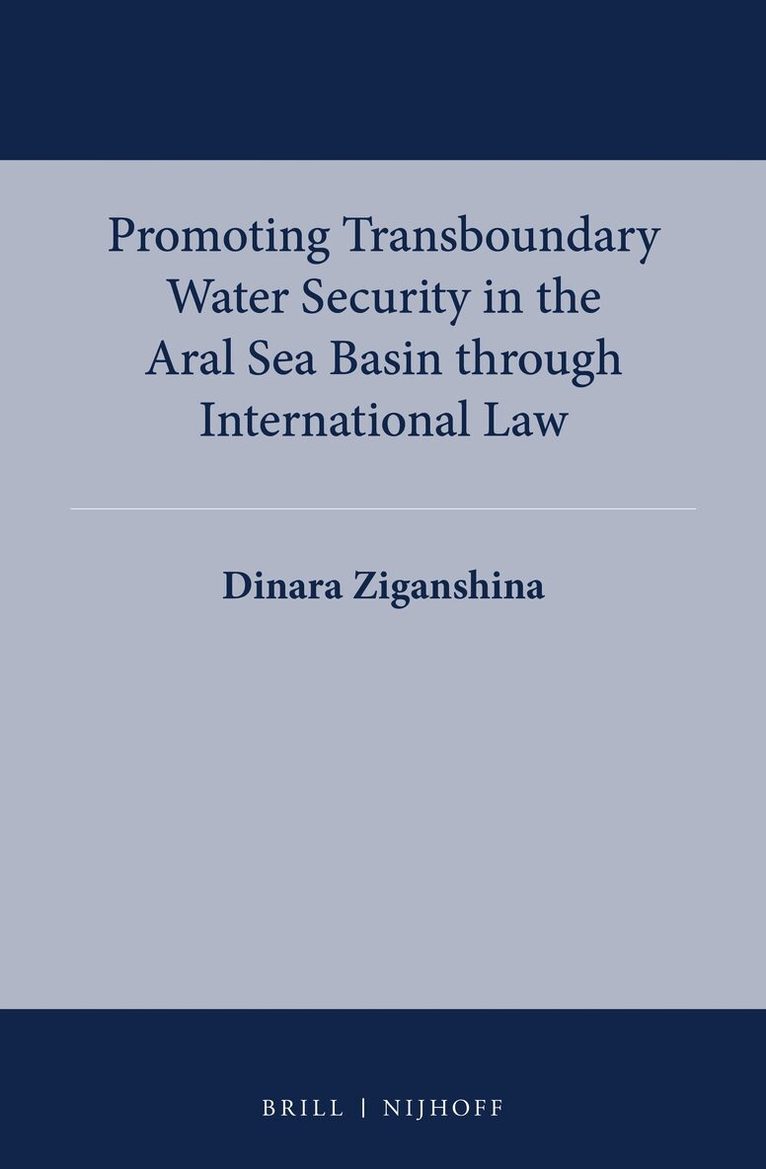
    Promoting Transboundary Water Security in the Aral Sea Basin through International Law

    AvDinara Ziganshina

    Inbunden, Engelska, 2014

    Del 3 i serien International Water Law Series

    2 208 kr

    Beställningsvara. Skickas inom 5-8 vardagar. Fri frakt över 249 kr.

    Beskrivning

    Water security threats arising from inadequate access to water for sustaining ecosystems, livelihoods, human well-being and socio-economic development has gained increasing attention over the past decades all over the world, but especially in international river basins shared by two or more states. In the Aral Sea basin, shared by Afghanistan and five post-Soviet republics of Central Asia – Kazakhstan, Kyrgyzstan, Tajikistan, Turkmenistan and Uzbekistan - water security issues are extremely pressing due to heavy reliance on, and competition over, shared waters. Promoting Transboundary Water Security in the Aral Sea Basin through International Law addresses the current gap in the literature by moving beyond the static identification of treaties and norms to examine how these treaties and norms can work for water security in practice. In its thorough and incisive scholarship, the book serves as a contribution toward peaceful and sustainable regulation of transboundary watercourses and their ecosystems in the Aral Sea basin.

    Produktinformation

    • Utgivningsdatum:2014-10-13
    • Mått:155 x 235 x 21 mm
    • Vikt:572 g
    • Format:Inbunden
    • Språk:Engelska
    • Serie:International Water Law Series
    • Antal sidor:254
    • Förlag:Brill
    • ISBN:9789004274235

    Utforska kategorier

    • Folkrätt inom Juridik

    Mer om författaren

    Dr. Dinara Ziganshina is a Deputy Director of the Scientific Information Center of Interstate Commission for Water Coordination in Central Asia, based in Tashkent, Uzbekistan.

    Innehållsförteckning

    • Introduction1.1.Problematique and research question1.2.Contribution to existing research1.3.Methodology and outline of the bookPart One: A Conceptual and Analytical FrameworkChapter 2. Understanding International Law: A Conceptual and Analytical Framework2.1. International law: Norms, behaviour, consciousness2.1.1.Normative facet: Legal norms2.1.2.Sociological facet: Legally relevant behaviour2.1.3.Psychological facet: Legal consciousness2.1.4.Legal relationships within normative communities2.2. Analytical framework: Properties of norms and processes2.2.1.Norm properties: Determinacy and stringency2.2.2.Process properties: Inclusiveness, transparency, discursiveness and coherenceConclusionPart Two: Understanding International Water Law in the Aral Sea BasinChapter 3. Setting the Scene: the Aral Sea Basin3.1.Transboundary waters of the Aral Sea basin: Challenges and opportunities3.1.1Physical characteristics of the basin3.1.2Socio-economic uses and environmental concerns3.2.Legal instruments that govern transboundary waters in the Aral Sea basin3.2.1Treaties at sub-regional level3.2.2Treaties at regional and global levelsChapter 4. Scope and Substantive Norms in the Aral Sea Basin: Norm Properties4.1.Scope4.2.Substantive norms4.2.1.The principle of equitable and reasonable use4.2.2.The no-harm rule4.2.3.Obligations related to environmental protection4.3.Substantive norms within a system of international water lawChapter 5. Procedural System of Transboundary Water Cooperation in the Aral Sea Basin: Norm Properties5.1Cooperation through joint bodies5.2Regular information exchange and consultations5.3Prior notification on planned measures and other related obligations5.4Transboundary impact assessment5.5Emergency cooperation5.6Compliance review5.7Dispute settlementConclusionChapter 6. International Water Law in the Aral Sea Basin: Process Properties6.1.Inclusiveness6.2.Transparency6.3.Discursiveness6.4.CoherenceConclusionChapter 7. Making Use of the International Water Law in the Aral Sea Basin and Beyond: Main Findings, Recommendations, and Broader Implications7.1.International water law in the Aral Sea basin: Main findings and recommendations7.1.1.Improve treaty system in a multilevel governance context7.1.2.Enable the dual role of legal norms for stability and peaceful change7.1.3.Make process matter7.1.4.Catalyse actors7.1.5.Enhance legal consciousness7.1.6.Increase transparency and strengthen linkages7.1.7.Transform intergovernmental bargaining into deliberative problem solving7.1.8.Build normative communities7.2.Making use of international (water) law: Broader implications and areas for future researchConclusions