• Fri frakt över 249 kr
  • •
  • Snabba leveranser
  • •
  • Billiga böcker
Kundservice

Du är på sajten för privatpersoner.

Företag, bibliotek eller offentlig verksamhet?

Du handlar på classic.bokus.com, där alla dina funktioner finns intakta.
Till classic.bokus.com
Bokus logotyp. Gå till startsidan.
  • Erbjudanden
  • Nyheter
  • Student
  • Topplistor
  • Barn & ungdom
  • Bokus Play
  • E-böcker
  • Pocketböcker
  • Spel & pussel

10% studentrabatt med kod TERM26

Sidfot

Mina sidor

    Hjälp

    • Kundservice
    • Vanliga frågor och svar
    • Frakt och leverans
    • Retur vid ångerrätt
    • Reklamera vara
    • Betalning
    • Köpvillkor
    • Allmänna villkor
    • Information om webbplatsens tillgänglighet

    Om Bokus

    • Om oss
    • Pressrum
    • För studenter
    • För företag
    • För bibliotek och offentlig verksamhet
    • För leverantörer
    • Hållbarhet

    Populärt

    • Aktuella erbjudanden
    • Presentkort
    • Studentlitteratur
    • Nya böcker
    • Topplistor
    • Signerade böcker
    • Engelska böcker

    Inspiration

    • Boktips
    • BookTok
    • Populära bokserier
    • Barnbokskaraktärer
    • Populära författare
    Logotyp för Bokus
    Följ oss på Facebook (extern länk)Följ oss på Instagram (extern länk)Följ oss på YouTube (extern länk)Följ oss på TikTok (extern länk)
    bokus @ CookiesAnpassa cookiesIntegritetspolicyKöpvillkor
    Till Citymail hemsida (extern länk)Till Budbee hemsida (extern länk)Till Postnord hemsida (extern länk)Till Schenker hemsida (extern länk)Till Early Bird hemsida (extern länk)Till Walleys hemsida (extern länk)
    1. Historia och arkeologi
    2. Historia
    3. Mellanösterns historia

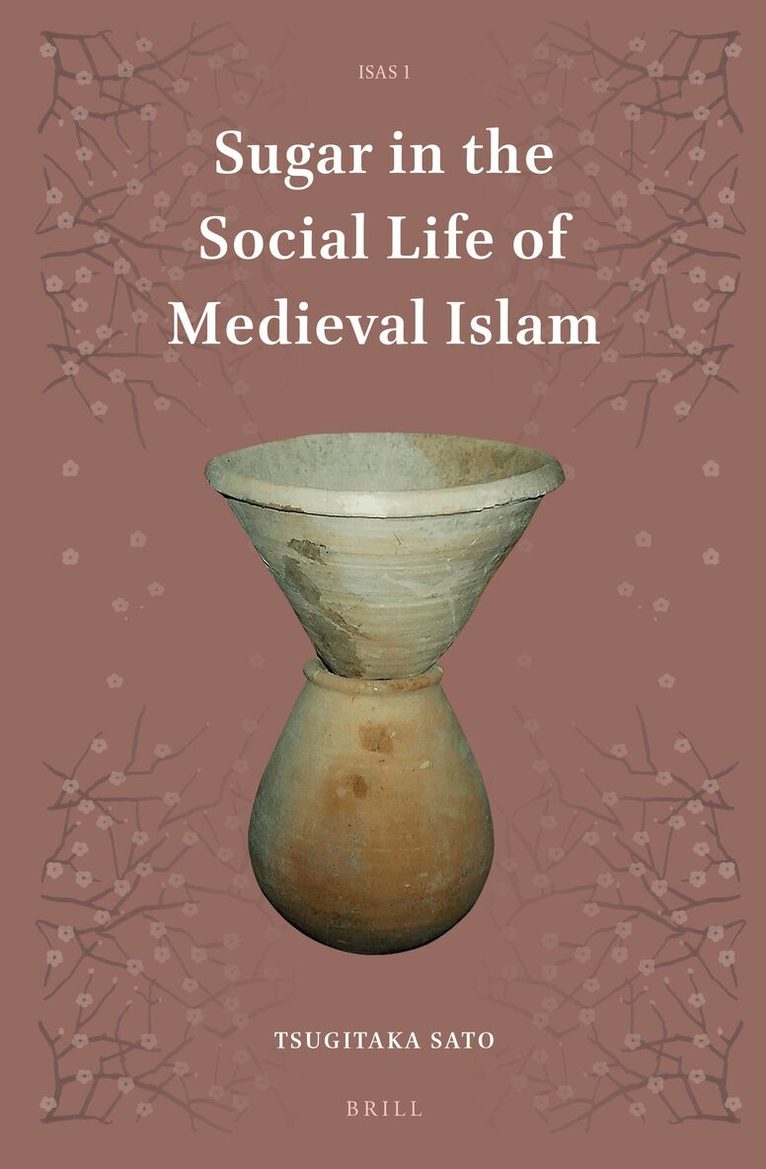
    Sugar in the Social Life of Medieval Islam

    AvTsugitaka Sato

    Inbunden, Engelska, 2014

    Del 1 i serien Islamic Area Studies

    2 375 kr

    Beställningsvara. Skickas inom 5-8 vardagar. Fri frakt över 249 kr.

    Beskrivning

    In Sugar in the Social Life of Medieval Islam Tsugitaka Sato explores the actual day-to-day life in medieval Muslim societies through different aspects of sugar. Drawing from a wealth of historical sources - chronicles, geographies, travel accounts, biographies, medical and pharmacological texts, and more - he describes sugarcane cultivation, sugar production, the sugar trade, and sugar’s use as a sweetener, a medicine, and a symbol of power. He gives us a new perspective on the history of the Middle East, as well as the history of sugar across the world.This book is a posthumous work by a leading scholar of Middle Eastern and Islamic studies in Japan who made many contributions to this field.

    Produktinformation

    • Utgivningsdatum:2014-10-31
    • Mått:155 x 235 x 18 mm
    • Vikt:518 g
    • Format:Inbunden
    • Språk:Engelska
    • Serie:Islamic Area Studies
    • Antal sidor:232
    • Förlag:Brill
    • ISBN:9789004277526

    Utforska kategorier

    • Mellanösterns historia inom Historia och arkeologi
    • Socialhistoria och kulturhistoria inom Historia och arkeologi

    Mer om författaren

    Tsugitaka Sato (1942-2011), Litt.D. in History, the University of Tokyo, was Professor of History at the University of Tokyo and Waseda University, General Director of the NIHU Program for Islamic Area Studies and Director of the Research Department at the Toyo Bunko (The Oriental Library). He published extensively on social and economic history in medieval Islam including Islamic Urbanism in Human History: Political Power and Social Networks (Kegan Paul International Ltd., 1996) and State and Rural Society in Medieval Islam. Sultans, Muqta‘s and Fallahun (Brill, 1997)

    Recensioner i media

    "Tsugitaka Sato's book is a valuable resource on the history of food in the Muslim world." - Samer Traboulsi, University of North Carolina at Asheville, in: Al-Abhath 62-63 (2014-2015)

    Innehållsförteckning

    • CONTENTSSeries Editor’s AcknowledgementsPreface List of AbbreviationsTransliteration of Arabic and Persian List of Figures and MapPrologue Islamic Social History through SugarSugar in Arabic Literature: Favorite Sweets Historical Overview and Perspectives Primary Sources in Arabic and Persian Chapter 1. The Origin and Expansion of Sugar Production in the Islamic World1. The Origin of Sugar Production and its Expansion to West Asia The Origin of Sugarcane Cultivation The Origin of Sugar Production The Eastward Route: Expansion from India to China and Okinawa The Westward Route: Expansion from India to Iran 2. The Expansion of Sugarcane Cultivation from Iran to Egypt The Expansion from Iran to Iraq Expansion to Syria (Bilād al-Shām) Expansion to Lower Egypt 3. The Expansion of Sugar Production to Upper Egypt, Maghrib, and Andalusia Expansion from Lower Egypt to Upper Egypt Expansion to the Mediterranean Islands, Maghrib, and Andalusia Chapter 2. From Red Sugar to White Sugar: Sugar Production Technology1. Sugarcane Cultivation as Described by al-Nuwayrī Al-Nuwayrī, an Encyclopaedist from Upper EgyptSugarcane Cultivation as Seen in Nihāyat al-Arab Sugarcane Growers and Sugar Factory Workers2. Sugar Production as Described by al-Nuwayrī 3. The Spread of Sugar Production Technologyfrom Egypt to China The Travels of Marco Polo Technology Transfer between East and West Chapter 3. On Camels and Ships: Sugar as Commodity 1. The Prosperity of al-Karkh in BaghdadThe Establishment of BaghdadAl-Karkh as Commerce and Industry CenterFrom Dibs to Sugar: A Change in the Production of SweetenersSugar Distribution in the Eastern Islamic World2. The Growth of Sugar Production in EgyptFrom Baghdad to Cairo: A Historical ChangeThe Beginning of Prosperous Sugar Production in Fatimid EgyptSugar in the Age of Ṣalāḥ al-DīnThe Managers of Sugar Production in al-FusṭāṭTrade with Italian Merchants in Alexandria3. The Tricks of the Sugar Merchants in Mamluk CairoA Guidebook (al-Madkhal) by Ibn al-ḤājjUnsanitary Conditions in Sugar RefineriesThe Tricks of the Sugar Merchants4. Reading the Books on ḤisbaWhat is “Ḥisba”?The Inspection of Sugar TradeChapter 4. The Ups and Downs of the Sugar Merchants1. The Jewish Sugar Merchants as Describedin the Geniza DocumentsThe Discovery of the Cairo GenizaThe Jewish Sugar Merchants2. The Kārimī Merchants Versed in SugarThe Appearance of the Kārimī MerchantsThe Organization and Activities of the Kārimī Merchants“Merchants of Spices and Perfumes” or “Merchants of Spices and Sugar”3. The Vicissitudes of the Kharrūbī Family in Mamluk EgyptFrom Retailers to Kārimī MerchantsThe Sugar Refinery MerchantThe Position of Chief Merchant (Ra’īs al-Tujjār)Religious and Cultural ActivitiesThe Beginning of the DownfallChapter 5. Sugar as Medicine1. A Comprehensive Book of Simple Drugs by Ibn al-BayṭārIbn al-Bayṭār, PharmacologistSugar in the Comprehensive Book of Simple Drugs2. Ibn al-Nafīs, the Personal Physician of Sultan Baybars IThe Second Ibn SīnāThe Principles of Sugar as Described by Ibn al-NafīsSugar as Medicine3. ‘Aṭṭārs: Merchants who Profited from SugarWho were the ‘Aṭṭārs?Al-Maqrīzī’s View of the Troubles in EgyptThe Prosperous ‘AṭṭārsChapter 6. Sugar and Power: Festivals and Gifts from Royalty1. The Storehouse for Raw Sugar (Dār al-Qand) The Repeal of Miscellaneous Taxes by Sultan Ṣalāḥ al-DīnAl-Nashw Enacts Attachment on Raw Sugar2. Sugar in the Month of RamaḍānFasting and SweetsThe Royal Custom of Giving Sugar3. Sweets for Banquets and CharitiesSugar Candies for Banquets (Simāṭ)Sweets for Charities4. Sugar Candies in Sultans’ Pilgrimages to MeccaAmīr al-Ḥājj –The Official Guard of Pilgrims to Mecca–The Maḥmil and KiswaThe Mamluk Sultans’ Pilgrimages to MeccaChapter 7. Cooking Innovations in Medieval Islam1. Cooking in the ‘Abbasid Caliph Courts The ‘Abbasid Caliph CourtsIbn Sayyār’s Kitāb al-ṬabīkhAl-Baghdādī’s Kitāb al-Ṭabīkh2. Sugar in The Thousand and One NightsThe World of The Thousand and One NightsFoods Palatable and Nutritious3. Sugar in Arabic PharmacologyTaqwīm al-Ṣiḥḥa by Ibn BuṭlānKitāb Daf‘ Maḍār al-Abdān by Ibn RiḍwānJāmi‘ al-Gharaḍ fī Ḥifẓ al-Ṣiḥḥa wa-Daf‘ al-Maraḍ by Ibn al-Quff4. Hanging Candies for ChildrenHanging Candies in the Month of RajabThe Generalities of Sugar ConsumptionEpilogueThe Revival of Sugar Production in EgyptThe Expansion of Sugar Production to the Caribbean Islands and South AmericaSugar Meets Coffee and TeaCoffee, Tea, and Sugar in Contemporary Muslim SocietiesGlossaryBibliographyIndex