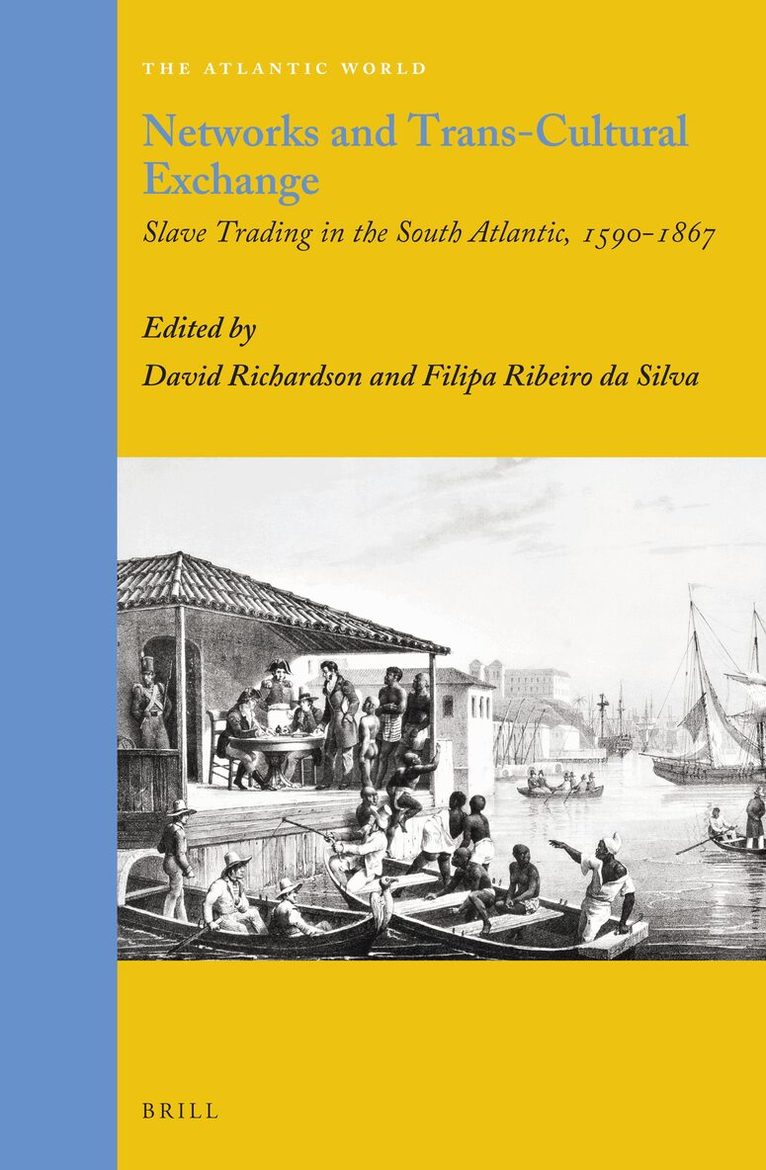
Inbunden, Engelska, 2014
Networks and Trans-Cultural Exchange
Av David Richardson, Filipa Ribeiro da Silva
2472 kr
Beställningsvara. Skickas inom 5-8 vardagar. Fri frakt över 249 kr.
Beskrivning
Winner of the 2015 Choice Outstanding Academic Title AwardStudies of the South Atlantic commercial world typically focus on connections between Angola and Brazil, and specifically on the flows of enslaved Africans from Luanda and the relations between Portuguese-Brazilian traders and other agents and their local African and mulatto trading partners. While reaffirming the centrality of slaving activities and of the networks that underpinned them, this collection of new essays shows that there were major Portuguese-Brazilian slave-trading activities in the South Atlantic outside Luanda as well as the Angolan-Brazil axes upon which historians usually focus. In drawing attention to these aspects of the South Atlantic commercial world, we are reminded that this was a world of change and also one in which Portuguese-Brazilian traders were unable to sustain in the face of competition from northern European rivals the dominant position in slave trading in Atlantic Africa that they had first established in the sixteenth century.
Produktinformation
- Utgivningsdatum: 2014-11-28
- Mått: 155 x 235 x 21 mm
- Vikt: 579 g
- Format: Inbunden
- Språk: Engelska
- Serie: Atlantic World
- Antal sidor: 278
- Förlag: Brill
- ISBN: 9789004280571
Utforska kategorier
Betyg & recensioner
0 recensioner
Inga recensioner tillgängliga.