• Fri frakt över 249 kr
  • •
  • Snabba leveranser
  • •
  • Billiga böcker
Kundservice

Du är på sajten för privatpersoner.

Företag, bibliotek eller offentlig verksamhet?

Du handlar på classic.bokus.com, där alla dina funktioner finns intakta.
Till classic.bokus.com
Bokus logotyp. Gå till startsidan.
  • Erbjudanden
  • Nyheter
  • Student
  • Topplistor
  • Barn & ungdom
  • Bokus Play
  • E-böcker
  • Pocketböcker
  • Spel & pussel

10% rabatt på allt med kod: NYSTART10 →

Sidfot

Mina sidor

    Hjälp

    • Kundservice
    • Vanliga frågor och svar
    • Frakt och leverans
    • Retur vid ångerrätt
    • Reklamera vara
    • Betalning
    • Köpvillkor
    • Allmänna villkor
    • Information om webbplatsens tillgänglighet

    Om Bokus

    • Om oss
    • Pressrum
    • För studenter
    • För företag
    • För bibliotek och offentlig verksamhet
    • För leverantörer
    • Hållbarhet

    Populärt

    • Aktuella erbjudanden
    • Presentkort
    • Studentlitteratur
    • Nya böcker
    • Topplistor
    • Signerade böcker
    • Engelska böcker

    Inspiration

    • Boktips
    • BookTok
    • Populära bokserier
    • Barnbokskaraktärer
    • Populära författare
    Logotyp för Bokus
    Följ oss på Facebook (extern länk)Följ oss på Instagram (extern länk)Följ oss på YouTube (extern länk)Följ oss på TikTok (extern länk)
    bokus @ CookiesAnpassa cookiesIntegritetspolicyKöpvillkor
    Till Citymail hemsida (extern länk)Till Budbee hemsida (extern länk)Till Postnord hemsida (extern länk)Till Schenker hemsida (extern länk)Till Early Bird hemsida (extern länk)Till Walleys hemsida (extern länk)
    1. Filosofi och religion
    2. Religion och tro
    3. Buddhism

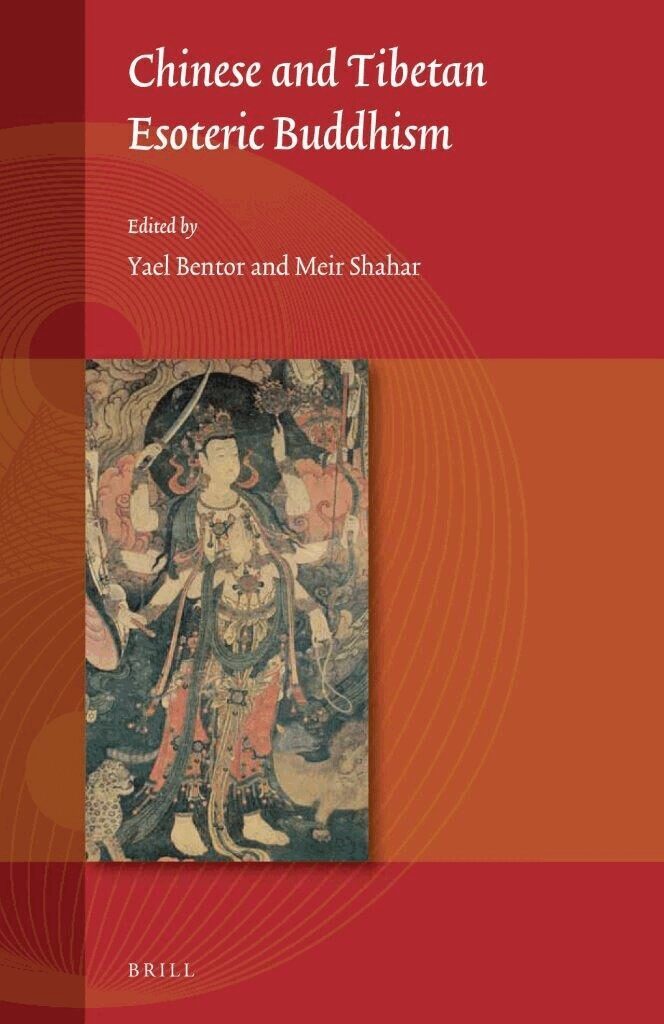
    Chinese and Tibetan Esoteric Buddhism

    AvYael Bentor

    Inbunden, Engelska, 2017

    Del 1 i serien Studies on East Asian Religions

    2 211 kr

    Beställningsvara. Skickas inom 5-8 vardagar. Fri frakt över 249 kr.

    Beskrivning

    Bringing together leading authorities in the fields of Chinese and Tibetan Studies alike, Chinese and Tibetan Esoteric Buddhism engages cutting-edge research on the fertile tradition of Esoteric Buddhism (also known as Tantric Buddhism). This state of the art volume unfolds the sweeping impact of esoteric Buddhism on Tibetan and Chinese cultures, and the movement's role in forging distinct political, ethnical, and religious identities across Asia at large.Deciphering the oftentimes bewildering richness of esoteric Buddhism, this broadly conceived work exposes the common ground it shares with other Buddhist schools, as well as its intersection with non-Buddhist faiths. As such, the book is a major contribution to the study of Asian religions and cultures.Contributors are: Yael Bentor, Ester Bianchi, Megan Bryson, Jacob P. Dalton, Hou Chong, Hou Haoran, Eran Laish, Li Ling, Lin Pei-ying, Lü Jianfu, Ma De, Dan Martin, Charles D. Orzech, Meir Shahar, Robert H. Sharf, Shen Weirong, Henrik H. Sørensen, and Yang Fuxue and Zhang Haijuan.

    Produktinformation

    • Utgivningsdatum:2017-04-13
    • Mått:155 x 235 x 32 mm
    • Vikt:853 g
    • Format:Inbunden
    • Språk:Engelska
    • Serie:Studies on East Asian Religions
    • Antal sidor:450
    • Förlag:Brill
    • ISBN:9789004340497

    Utforska kategorier

    • Buddhism inom Filosofi och religion

    Mer om författaren

    Yael Bentor, Ph.D. (1991), Indiana University, is Professor Emerita of Tibetan Studies in the Departments of Comparative Religion and Asian Studies at the Hebrew University of Jerusalem. She has published monographs, translations and many articles on Tibetan Buddhism, including The Essence of the Ocean of Attainments: Explanation of the Creation Stage of the Guhyasamāja, King of All Tantras, 2017.Meir Shahar Ph.D. (1992), Harvard University, is Professor of Chinese Studies at Tel Aviv University. His research interests span Chinese religion and literature, Chinese martial-art history, and the Sino-Indian cultural exchange. Meir Shahar is the author of Crazy Ji: Chinese Religion and Popular Literature; The Shaolin Monastery: History, Religion, and the Chinese Martial Arts; and Oedipal God: The Chinese Nezha and his Indian Origins.

    Recensioner i media

    "These essays provide a rich resource of new information and new analyses that will continue to contribute to future research for years to come."– Richard K. Payne, Institute of Buddhist Studies at the Graduate Theological Union, Berkeley, in: Reading Religion "Bringing together a wealth of specialists, this volume successfully manages to examine seemingly every major aspect of the “fecund tradition” of esoteric Buddhism. [...] This volume constitutes the single most thorough examination of the subject in a single volume. More broadly, this volume would also prove most useful to those interested in the transmission of religion and culture and expertly demonstrates the intricate ways in which a single movement can drastically shape political, ethnical, and religious identities." – Joseph Chadwin, Religious Studies 46.3 (September 2020)

    Innehållsförteckning

    • List of FiguresIntroductionPart I: Chinese Perspectives on the Origins of Esoteric BuddhismChapter 1: Charles D. Orzech - Tantric Subjects: Liturgy and Vision in Chinese Esoteric Ritual ManualsChapter 2: Henrik H. Sørensen - Spells and Magical Practices as Reflected in the Early Chinese Buddhist Sources (c. 300–600 CE) and their Implications for the Rise and Development of Esoteric BuddhismChapter 3: Lü Jianfu - The Terms “Esoteric Teaching” (“Esoteric Buddhism”) and “Tantra” in Chinese Buddhist SourcesPart II: Chan, Chinese Religion, and Esoteric BuddhismChapter 4: Robert Sharf - Buddhist Veda and the Rise of ChanChapter 5: Lin Pei-ying - A Comparative Approach to Śubhakarasiṃha’s (637–735) “Essentials of Meditation”: Meditation and Precepts in Eighth Century China Chapter 6: Meir Shahar - The Tantric Origins of the Horse King: Hayagrīva and the Chinese Horse CultPart III: Scriptures and Practices in the Their Tibetan ContextChapter 7: Dan Martin - Crazy Wisdom in Moderation: Padampa Sangyé's Use of Counterintuitive Methods in Dealing with Negative Mental StatesChapter 8: Eran Laish - Perception, Body and Selfhood: The Transformation of Embodiment in the Thod rgal Practice of the “Heart Essence” TraditionChapter 9: Yael Bentor - Tibetan Interpretations of the Opening Verses of Vajraghaṇṭa on the Body MaṇḍalaPart IV: Tibetan Buddhism in China Chapter 10: Shen Weirong - Ming Chinese Translations of Tibetan Tantric Buddhist Texts and the Buddhist Saṃgha of the Western Regions in BeijingChapter 11: Ester Bianchi - Continuities and Discontinuities in Sino-Tibetan Buddhism: The Case of Nenghai’s Legacy in the Contemporary EraPart V: Esoteric Buddhism in DunhuangChapter 12: Jacob Dalton - On the Significance of the Ārya-tattvasaṃgraha-sādhanopāyikā and Its CommentaryChapter 13: Li Ling and Ma De - Avalokiteśvara and the Dunhuang Dhāraṇī Spells of Salvation in ChildbirthPart VI: Esoteric Buddhism in the Tangut Xixia and Yugur Spheres Chapter 14: Hou Haoran - Notes on the Translation and Transmission of the Saṃpuṭa and Cakrasaṃvara Tantras in the Xixia Period (1038–1227)Chapter 15: Yang Fuxue - Mongol Rulers, Yugur Subjects, and Tibetan BuddhismPart VII: Esoteric Buddhism in the Dali Kingdom (Yunnan) Chapter 16: Hou Chong - The Chinese Origins of Dali Esoteric BuddhismChapter 17: Megan Bryson - Between China and Tibet: Mahākāla Worship and Esoteric Buddhism in the Dali KingdomIndex