• Fri frakt över 249 kr
  • •
  • Snabba leveranser
  • •
  • Billiga böcker
Kundservice

Du är på sajten för privatpersoner.

Företag, bibliotek eller offentlig verksamhet?

Du handlar på classic.bokus.com, där alla dina funktioner finns intakta.
Till classic.bokus.com
Bokus logotyp. Gå till startsidan.
  • Erbjudanden
  • Nyheter
  • Student
  • Topplistor
  • Barn & ungdom
  • Bokus Play
  • E-böcker
  • Pocketböcker
  • Spel & pussel

10% rabatt på allt med kod: NYSTART10 →

Sidfot

Mina sidor

    Hjälp

    • Kundservice
    • Vanliga frågor och svar
    • Frakt och leverans
    • Retur vid ångerrätt
    • Reklamera vara
    • Betalning
    • Köpvillkor
    • Allmänna villkor
    • Information om webbplatsens tillgänglighet

    Om Bokus

    • Om oss
    • Pressrum
    • För studenter
    • För företag
    • För bibliotek och offentlig verksamhet
    • För leverantörer
    • Hållbarhet

    Populärt

    • Aktuella erbjudanden
    • Presentkort
    • Studentlitteratur
    • Nya böcker
    • Topplistor
    • Signerade böcker
    • Engelska böcker

    Inspiration

    • Boktips
    • BookTok
    • Populära bokserier
    • Barnbokskaraktärer
    • Populära författare
    Logotyp för Bokus
    Följ oss på Facebook (extern länk)Följ oss på Instagram (extern länk)Följ oss på YouTube (extern länk)Följ oss på TikTok (extern länk)
    bokus @ CookiesAnpassa cookiesIntegritetspolicyKöpvillkor
    Till Citymail hemsida (extern länk)Till Budbee hemsida (extern länk)Till Postnord hemsida (extern länk)Till Schenker hemsida (extern länk)Till Early Bird hemsida (extern länk)Till Walleys hemsida (extern länk)
    1. Historia och arkeologi
    2. Historia
    3. Historia: särskilda händelser och ämnen
    4. Slaveri

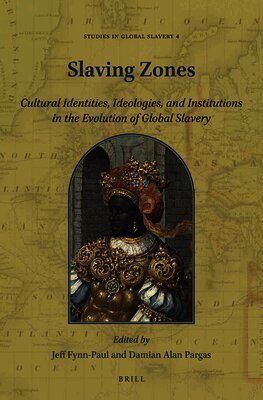
    Slaving Zones

    Cultural Identities, Ideologies, and Institutions in the Evolution of Global Slavery

    AvJeff Fynn-Paul,Damian Alan Pargas

    Häftad, Engelska, 2021

    Del 4 i serien Studies in Global Slavery

    938 kr

    Beställningsvara. Skickas inom 5-8 vardagar. Fri frakt över 249 kr.

    Beskrivning

    In Slaving Zones: Cultural Identities, Ideologies, and Institutions in the Evolution of Global Slavery, fourteen authors—including both world-leading and emerging historians of slavery—engage with the ‘Slaving Zones’ theory. This theory has recently taken the field of Mediterranean slavery studies by storm, and the challenge posed by the editors was to see if the ‘Slaving Zones’ theory could be applied in the wider context of long-term global history.The results of this experiment are promising. In the Introduction, Jeff Fynn-Paul points out over a dozen ways in which the contributors have added to the concept of ‘Slaving Zones’, helping to make it one of the more dynamic theories of global slavery since the advent of Orlando Patterson’s Slavery and Social Death.

    Produktinformation

    • Utgivningsdatum:2021-01-21
    • Mått:155 x 235 x 20 mm
    • Vikt:643 g
    • Format:Häftad
    • Språk:Engelska
    • Serie:Studies in Global Slavery
    • Antal sidor:364
    • Förlag:Brill
    • ISBN:9789004447189

    Utforska kategorier

    • Slaveri inom Historia och arkeologi
    • Socialhistoria och kulturhistoria inom Historia och arkeologi

    Mer om författaren

    Jeff Fynn-Paul, Ph.D. (2005), University of Toronto, is Lecturer of Economic and Social History at Leiden University. He has published several monographs and articles on urban history and slavery, focusing on late medieval Iberia and the Mediterranean. Among other awards, he is recipient of the 2016 European History Quarterly Prize.Damian Alan Pargas, Ph.D. (2009), Leiden University, is Lecturer of Economic and Social History at Leiden University. He has published several monographs and articles on American Slavery in the nineteenth century. He is recipient and supervisor of the NWO Vidi project “Beacons of Freedom: Slave Refugees in North America, 1800-1860”.

    Innehållsförteckning

    • PrefaceList of IllustrationsNotes on Contributors1 Introduction. Slaving Zones in Global History: The Evolution of a ConceptJeff Fynn-PaulPart I. Slaving Zones to the Dawn of the Modern Era2 “To Serve Them All the More”: Christian Slaveholders and Christian Slaves in AntiquityJennifer A. Glancy3 Christianities in Conflict: The Black Sea as a Genoese Slaving Zone in the Later Middle AgesHannah Barker4 Considerations About the Territorial Distribution of Slaves in the Romanian PrincipalitiesViorel Achim5 Iberia’s Old World Slaving Zones in the Late Medieval and Early Modern PeriodsWilliam D. Phillips, Jr.6 Chasing ‘Caribs’: Defining Zones of Legal Indigenous Enslavement in the Circum-Caribbean, 1493–1542Erin StonePart II. Slaving Zones in Modern Times (18th Century-Present)7 How Useful is the Concept of Slaving Zones? Some Thoughts from the Experience of Dahomey and KongoJohn K. Thornton8 Some Thoughts Concerning the Effects of the European Slave Trade on the Dynamics of Slavery in Madagascar in the Seventeenth and Eighteenth CenturiesRafaël Thiebaut9 “Hearing the Sound of the Flute from Zanzibar”: Migrating Communities and Slave Trade Routes in the Indian OceanBeatrice Nicolini10 Slave Protection and Resistance in Colonial Mauritius, 1829–1830Tyler YankPart III. Slaving Zones in a Post-Abolition World11 The Price You Pay: Choosing Family, Friends, and Familiarity Over Freedom in the Leeward Islands, 1835–1863Jessica Roitman12 Black Bondspeople, White Masters and Mistresses, and the Americanization of the Upper Mississippi River Valley Lead DistrictJennifer Kirsten Stinson13 A Female Slaving Zone? Historical Constructions of the Traffic in Asian WomenJulia Martinez14 “Slaving Zones, Contemporary Slavery and Citizenship: Reflections from the Brazilian Case”Alexis Jonathan MartigIndex