• Fri frakt över 249 kr
  • •
  • Snabba leveranser
  • •
  • Billiga böcker
Kundservice

Du är på sajten för privatpersoner.

Företag, bibliotek eller offentlig verksamhet?

Du handlar på classic.bokus.com, där alla dina funktioner finns intakta.
Till classic.bokus.com
Bokus logotyp. Gå till startsidan.
  • Erbjudanden
  • Nyheter
  • Student
  • Topplistor
  • Barn & ungdom
  • Bokus Play
  • E-böcker
  • Pocketböcker
  • Spel & pussel

10% studentrabatt med kod TERM26

Sidfot

Mina sidor

    Hjälp

    • Kundservice
    • Vanliga frågor och svar
    • Frakt och leverans
    • Retur vid ångerrätt
    • Reklamera vara
    • Betalning
    • Köpvillkor
    • Allmänna villkor
    • Information om webbplatsens tillgänglighet

    Om Bokus

    • Om oss
    • Pressrum
    • För studenter
    • För företag
    • För bibliotek och offentlig verksamhet
    • För leverantörer
    • Hållbarhet

    Populärt

    • Aktuella erbjudanden
    • Presentkort
    • Studentlitteratur
    • Nya böcker
    • Topplistor
    • Signerade böcker
    • Engelska böcker

    Inspiration

    • Boktips
    • BookTok
    • Populära bokserier
    • Barnbokskaraktärer
    • Populära författare
    Logotyp för Bokus
    Följ oss på Facebook (extern länk)Följ oss på Instagram (extern länk)Följ oss på YouTube (extern länk)Följ oss på TikTok (extern länk)
    bokus @ CookiesAnpassa cookiesIntegritetspolicyKöpvillkor
    Till Citymail hemsida (extern länk)Till Budbee hemsida (extern länk)Till Postnord hemsida (extern länk)Till Schenker hemsida (extern länk)Till Early Bird hemsida (extern länk)Till Walleys hemsida (extern länk)
    1. Historia och arkeologi
    2. Historia
    3. Asiens historia

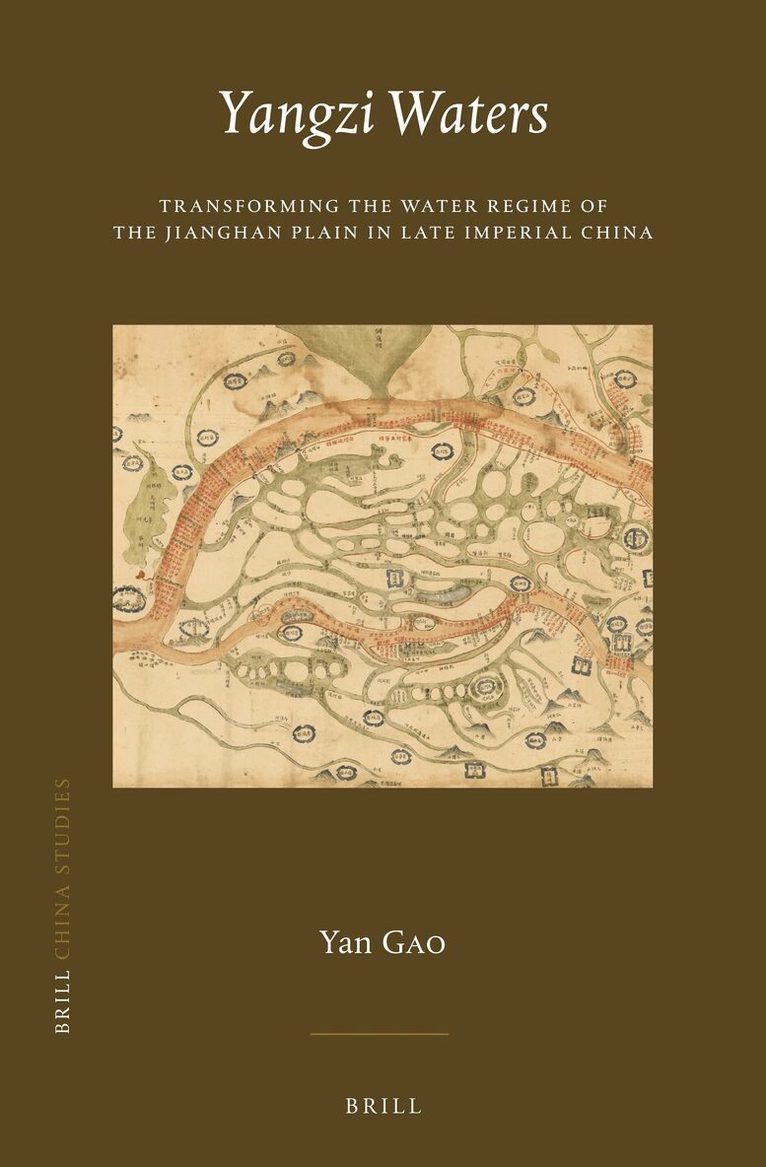
    Yangzi Waters: Transforming the Water Regime of the Jianghan Plain in Late Imperial China

    AvYan Gao

    Inbunden, Engelska, 2022

    Del 44 i serien China Studies

    2 108 kr

    Beställningsvara. Skickas inom 5-8 vardagar. Fri frakt över 249 kr.

    Beskrivning

    This book centers on the history of polders and investigates the complex hydro-social relationships of the Jianghan Plain in late imperial China. Once a hydraulic frontier where local communities managed the polders, the Jianghan Plain had become a state-led hydro-electric powerhouse by the mid-twentieth century. Through in-depth historical analysis, this book shows how water politics, cultural practice, and ecology interplayed and transformed the landscape and waterscape of the plain from a long-term perspective. By touching on topics such as religious practice, ethnic tensions and local militarization, the author reveals a plain forever caught between land and water, and nature and culture.

    Produktinformation

    • Utgivningsdatum:2022-01-06
    • Mått:155 x 235 x 24 mm
    • Vikt:610 g
    • Format:Inbunden
    • Språk:Engelska
    • Serie:China Studies
    • Antal sidor:272
    • Förlag:Brill
    • ISBN:9789004505278

    Utforska kategorier

    • Asiens historia inom Historia och arkeologi
    • Historisk geografi inom Historia och arkeologi
    • Historia inom Historia och arkeologi

    Mer om författaren

    Yan Gao, Ph.D., teaches in the Department of World Languages and Literatures at the University of Memphis. She specializes in social and environmental history of the central Yangzi valley, water history, and Asian environmental humanities.

    Recensioner i media

    "As a historial monograph Yangzi Waters is firmly based on a combination of clearly explained theory and well-picked, original material from local sources. This interesting study should not only be read by China specialists but should also appeal to historians interested in a comparative approach of water management within a global setting."-Leonard Blussé, Leiden University, International Journal of Maritime History, 35(1)

    Innehållsförteckning

    • AcknowledgmentsList of Figures and TablesIntroduction Water, Society and Politics1 Theorizing Water and Politics2 Revisiting the Relationship between Water and Society3 The Yuan4 What Are Yuan?5 A Long-term View of the Yuan6 The Jianghan Plain1 Water-based Disasters and a Cultured Nature1 The Amphibious Nature of the Jianghan Plain1.1 A Flood-prone Environment1.2 Wet-rice Cultivation and Its Significance1.3 Amphibious Living2 Networks, Lineages, and the Creation of Yuan3 Temple-Yuan Relations: Seeing a Cultured Nature4 Conclusion2 Disordering Nature Wetlands and Empire Reconstruction (1600s–Early 1700s)1 The Early History of the Wetlands in the Jianghan Plain2 Crisis and Restoration3 Migration and Opening the Plain4 Amphibious Living: Fluidity of the Jianghan Lifestyle5 Complexities in Administration6 The Early Qing State and Its Laissez-faire Policy in Central China7 Hydraulic Communities: Official and People’s Yuan8 Enforcement on Collaboration: The Formation of Yuan Zones9 Customs in Common: Various Solutions for Collaborations10 Turn Sea to Land: Population Growth and Dike Proliferation11 Conclusion3 The Retreat of the Horse The Manchus, Pasturelands, and Water Management on the Jianghan Plain (ca. 1700s–mid-1800s)1 Manchus and Horses2 The Jingzhou Garrison3 Population Growth and Land Reclamation in the Eighteenth-Century Jianghan Plain4 The Debate over Land versus Water5 The Dilemma for Statecraft Officials6 The Manchus and the Local Ecology of Central China7 Efforts to Reinforce Manchu Cultural Identity8 The Retreat of Horses in the Jianghan Plain in the Eighteenth and Nineteenth Centuries9 Conclusion4 Militarizing Water Forts, Polders, and Landscape in an Era of Crisis (1796–1860s)1 The Rebels and the Jianghan Plain2 Jianbi Qingye: The Qing State’s Counterinsurgency Agenda3 Fort Building in the Hubei Highlands4 Local Militarization and the Lowland Communities5 Yuan and Tuanlian: Qianjiang County as a Case Study6 Disruptions in the Hydraulic System with Local Militarization7 The Rural Famine in the Jianghan Plain from the Late 1850s to the 1860s8 Conclusion5 Coping with Environmental Crisis in the Post-Taiping Era1 Post-Taiping Social Distress and Environmental Crisis2 Managing the Waters2.1 Flood Control: Restoring, Diking, or Diverting2.2 Sedimentation: Ban the Reclamation on Mountains2.3 Sacrificing the South for the North3 The Changing Nature of Conflicts over Water3.1 First, Greater Frequency and on a Larger Scale3.2 Second, Diversifying Stakeholders3.3 Third, a “Plebeian Culture” in Popular Action3.4 Case Study: The Conflicts over the Big and Small Zekou Outlets from the 1840s to the 1910s4 Changes in Hydrotopography of the Jianghan Plain5 Conclusion6 Centering the Plain1 The Jinshui Reclamation Project2 The Social, Economic, and Hydraulic Conditions of the Plain3 Reorganizing the Yuan System in the Early Republic4 The Nationalist Government’s Scheme of Unifying Watersheds5 A Divided Central Yangzi Watershed6 Hydropower: Centering the Yangzi7 ConclusionConclusion1 An Autonomous Water Regime2 An Amphibious Water Regime3 The Role of the State4 Environmental Changes in the Longue Durée4.1 Hydrogeographic Changes4.2 Loss of Biodiversity5 Hopes and Challenges in the Jianghan PlainAppendix: Glossary of Chinese Measurement TermsWorks CitedIndex