• Fri frakt över 249 kr
  • •
  • Snabba leveranser
  • •
  • Billiga böcker
Kundservice

Du är på sajten för privatpersoner.

Företag, bibliotek eller offentlig verksamhet?

Du handlar på classic.bokus.com, där alla dina funktioner finns intakta.
Till classic.bokus.com
Bokus logotyp. Gå till startsidan.
  • Erbjudanden
  • Nyheter
  • Student
  • Topplistor
  • Barn & ungdom
  • Bokus Play
  • E-böcker
  • Pocketböcker
  • Spel & pussel

10% rabatt på allt med kod: NYSTART10 →

Sidfot

Mina sidor

    Hjälp

    • Kundservice
    • Vanliga frågor och svar
    • Frakt och leverans
    • Retur vid ångerrätt
    • Reklamera vara
    • Betalning
    • Köpvillkor
    • Allmänna villkor
    • Information om webbplatsens tillgänglighet

    Om Bokus

    • Om oss
    • Pressrum
    • För studenter
    • För företag
    • För bibliotek och offentlig verksamhet
    • För leverantörer
    • Hållbarhet

    Populärt

    • Aktuella erbjudanden
    • Presentkort
    • Studentlitteratur
    • Nya böcker
    • Topplistor
    • Signerade böcker
    • Engelska böcker

    Inspiration

    • Boktips
    • BookTok
    • Populära bokserier
    • Barnbokskaraktärer
    • Populära författare
    Logotyp för Bokus
    Följ oss på Facebook (extern länk)Följ oss på Instagram (extern länk)Följ oss på YouTube (extern länk)Följ oss på TikTok (extern länk)
    bokus @ CookiesAnpassa cookiesIntegritetspolicyKöpvillkor
    Till Citymail hemsida (extern länk)Till Budbee hemsida (extern länk)Till Postnord hemsida (extern länk)Till Schenker hemsida (extern länk)Till Early Bird hemsida (extern länk)Till Walleys hemsida (extern länk)
    1. Psykologi och pedagogik
    2. Psykologi
    3. Psykologi: jaget, identitet och personlighet

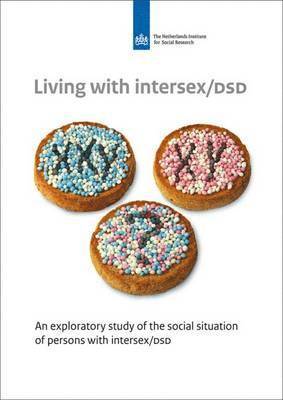
    Living with intersex/DSD

    An Exploratory Study of the Social Situation of Persons with intersex/DSD

    AvJatine Van Lisdonk

    Häftad, Engelska, 2014

    Del i serien Netherlands Institute for Social Research

    378 kr

    Tillfälligt slut

    Beskrivning

    Intersex/DSD is an umbrella term used to describe various congenital conditions in which the development of sex differs from what medical professionals generally understand to be "male" or "female." The differences may be chromosomal, gonadal, or anatomical. There is growing international political attention for the position of people with intersex/DSD. At the same time, there is as yet little solid, research-based knowledge. This exploratory study documents what is currently known about the social situation of people with intersex/DSD in the Netherlands and what problems they may encounter. This exploratory study was carried out at the request of the Emancipation Department of the Dutch Ministry of Education, Culture, and Science.

    Produktinformation

    • Utgivningsdatum:2014-08-31
    • Vikt:220 g
    • Format:Häftad
    • Språk:Engelska
    • Serie:Netherlands Institute for Social Research
    • Antal sidor:98
    • Förlag:Sociall en Cultureel Planbureau
    • ISBN:9789037707175

    Utforska kategorier

    • Psykologi: jaget, identitet och personlighet inom Psykologi och pedagogik
    • Genusvetenskap inom Samhälle och politik

    Mer om författaren

    Jatine Van Lisdonk, Rutgers, Utrecht.

    Innehållsförteckning

    • Foreword, Summary 1 Introduction 1.1 Intersex/dsd unknown among the general public 1.2 Intersex/dsd: an emancipation issue? 1.3 Design and implementation of exploratory study 1.4 Structure of this report 2 What is intersex/dsd? Types, terminology and prevalence 2.1 Types of intersex/dsd: a medical explanation 2.2 Sensitivities surrounding terminology: intersex and/or dsd 2.3 Definitions 2.4 Differences between intersex/dsd and transgender persons and sexual orientation 2.5 Prevalence of intersex/dsd. Notes 3 Personal experiences of intersex/dsd 3.1 The discovery and the message 3.2 The medical side: experience of treatments 3.3 Self-acceptance of a chronic condition and (sometimes) infertility 3.4 Self-image as a woman or man 3.5 Access to good information and support 3.6 Health and well-being Notes 4 The social environment: openness, treatment by others and participation 4.1 Lack of openness 4.2 Forming relationships and the desire for children 4.3 Social treatment: ignorance, embarrassment and lack of understanding, but little perceived discrimination 4.4 Participation in education, work and leisure activities 4.5 Importance of contact with others with intersex/dsd and organisation-building 5 Concluding discussion 5.1 Perceptions and visibility 5.2 Medical practice: need for more knowledge, sensitivity and views on sex 5.3 Gaps in knowledge regarding social situation 5.4 Pointers for policy development.