Häftad, Engelska, 2013
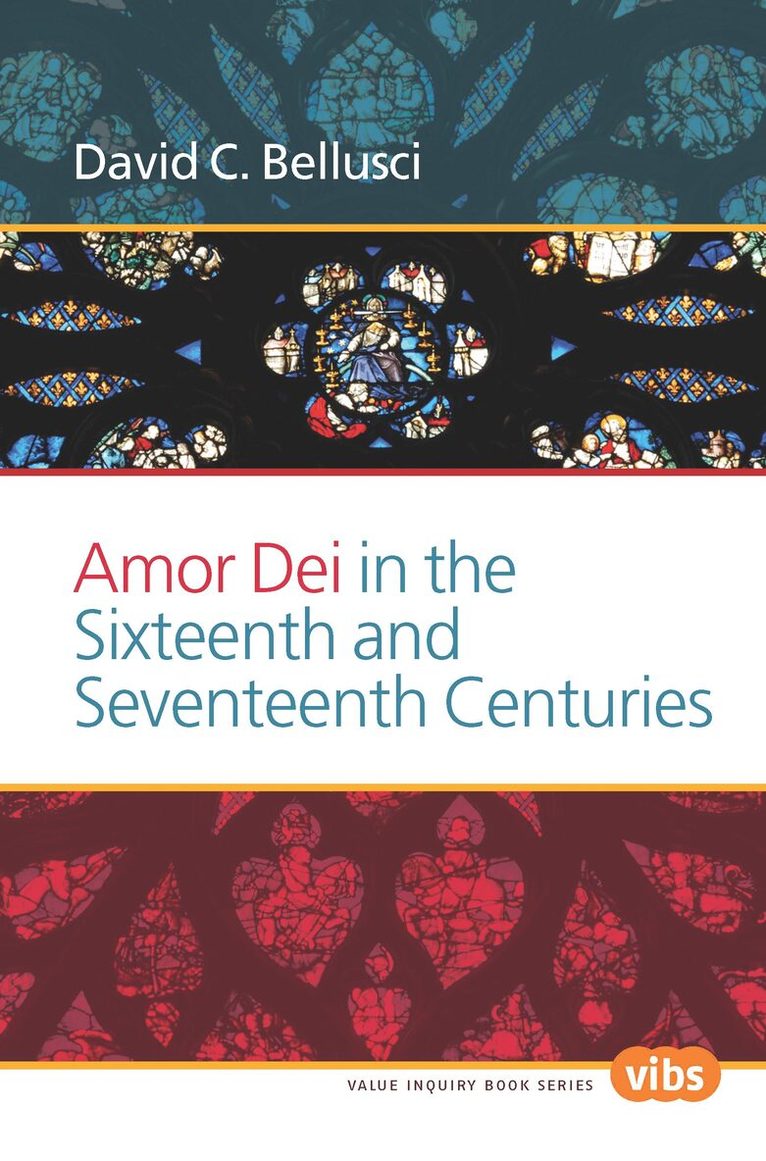
Amor Dei in the Sixteenth and Seventeenth Centuries
1084 kr
Beställningsvara. Skickas inom 5-8 vardagar. Fri frakt över 249 kr.
Beskrivning
Amor Dei, “love of God” raises three questions: How do we know God is love? How do we experience love of God? How free are we to love God? This book presents three kinds of love, worldly, spiritual, and divine to understand God’s love. The work begins with Augustine’s Confessions highlighting his Manichean and Neoplatonic periods before his conversion to Christianity. Augustine’s confrontation with Pelagius anticipates the unresolved disputes concerning God’s love and free will. In the sixteenth-century the Italian humanist, Gasparo Contarini introduces the notion of “divine amplitude” to demonstrate how God’s goodness is manifested in the human agent. Pierre de Bérulle, Guillaume Gibieuf, and Nicolas Malebranche show connections with Contarini in the seventeenth-century controversies relating free will and divine love. In response to the free will dispute, the Scottish philosopher, William Chalmers, offers his solution. Cornelius Jansen relentlessly asserts his anti-Pelagian interpretation of Augustine stirring up more controversy. John Norris, Malebranche’s English disciple, exchanges his views with Mary Astell and Damaris Masham. In the tradition of Cambridge Platonism, Ralph Cudworth conveys a God who “sweetly governs.” The organization of sections represents the love of God in ascending-descending movements demonstrating that, “human love is inseparable from divine love.”
Produktinformation
- Utgivningsdatum: 2013-01-01
- Mått: 155 x 235 x 10 mm
- Vikt: 297 g
- Format: Häftad
- Språk: Engelska
- Serie: Philosophy and Religion
- Antal sidor: 170
- Förlag: Brill
- ISBN: 9789042036864
Utforska kategorier
Betyg & recensioner
0 recensioner
Inga recensioner tillgängliga.