Häftad, Engelska, 2015
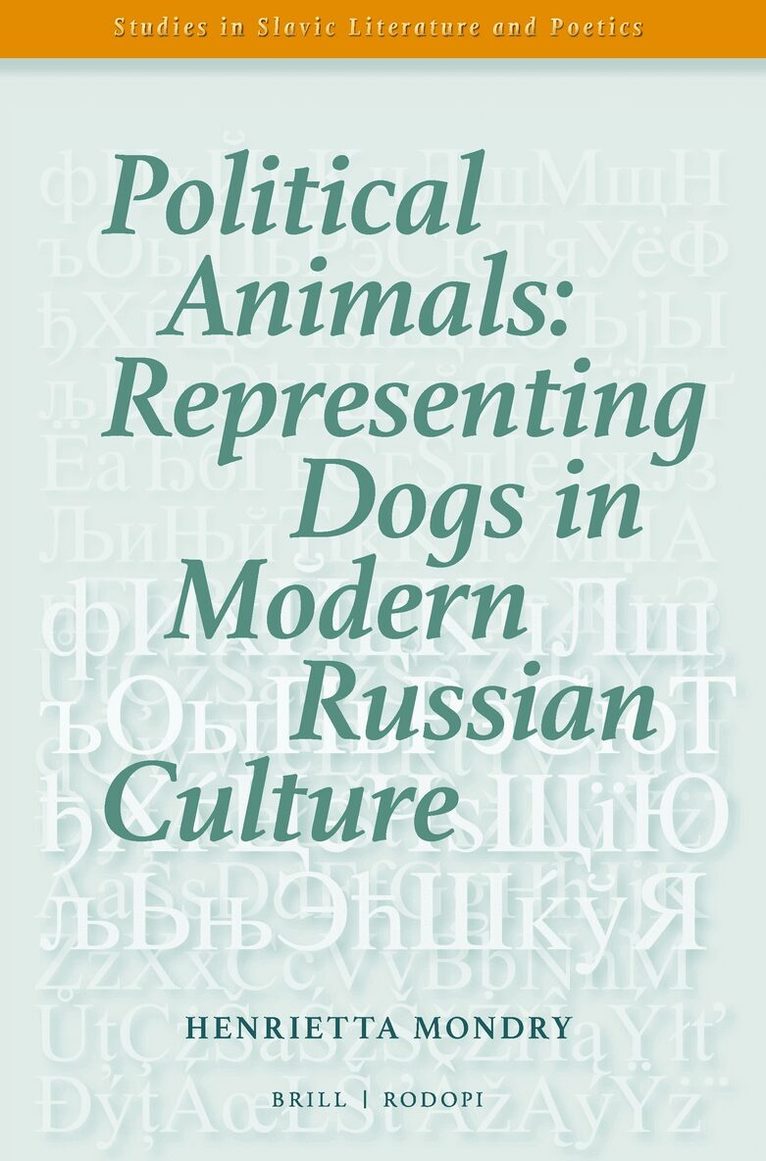
Political Animals: Representing Dogs in Modern Russian Culture
2136 kr
Beställningsvara. Skickas inom 5-8 vardagar. Fri frakt över 249 kr.
Beskrivning
This book is the first interdisciplinary study of the representation of dogs in Russian discourse since the nineteenth century. Focusing on the correlation between humans and dogs in traditional belief systems, in literature, film and other cultural productions, it shows that the dog as a political construct incorporates various contradictions, with different representations investing the dog with multiple, often-paradoxical meanings – moral, social and philosophical. From the peasantry’s dislike of the gentry’s hunting dogs and children’s cruelty to dogs in Pushkin and Dostoevsky to the establishment of the Soviet dynasties of border guard and police dogs, from Pavlov’s laboratory dogs to the monuments to the cosmic dog Laika and the subversive dog impersonations by the contemporary performance artist Oleg Kulik, the book explores the intersections of species-class-gender-sexuality-race-disability and, paradoxically, of Arcadian and Utopian dreams and scientific deeds. This study contributes to the unfolding cultural history of human-animal relations across cultures.
Produktinformation
- Utgivningsdatum: 2015-02-05
- Mått: 155 x 235 x 24 mm
- Vikt: 679 g
- Format: Häftad
- Språk: Engelska
- Serie: Studies in Slavic Literature and Poetics
- Antal sidor: 434
- Förlag: Brill
- ISBN: 9789042039025
Utforska kategorier
Betyg & recensioner
0 recensioner
Inga recensioner tillgängliga.