Inbunden, Engelska, 2026
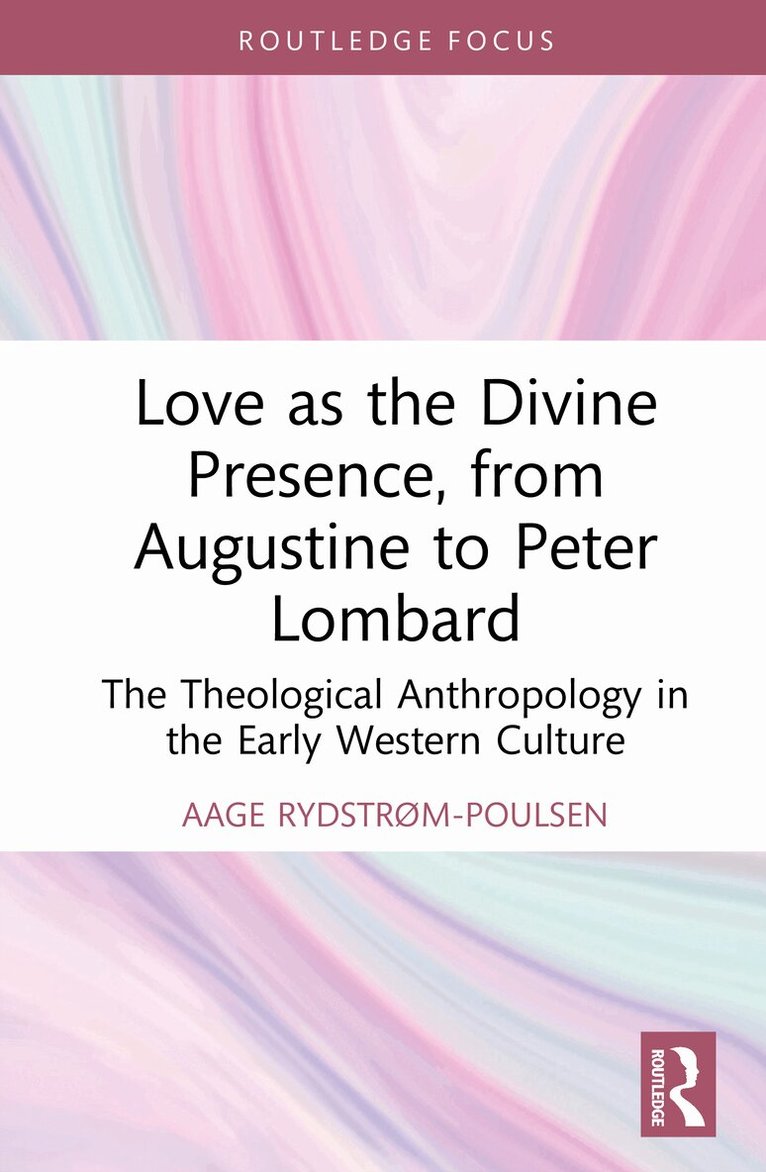
Love as the Divine Presence, from Augustine to Peter Lombard
2504 kr
Beställningsvara. Skickas inom 10-15 vardagar. Fri frakt över 249 kr.
Beskrivning
Love as the Divine Presence, from Augustine to Peter Lombard explores the profound theological anthropology of human love in Western Christian thought, tracing its development from Augustine to the twelfth‑century Augustine-renaissance, where love was understood as both divine and human.This book offers a deep understanding of how theologians of the time went even so far as to seeing in the human love a revelation of the divine being. They referred to biblical texts, but also to a long tradition among the early Western theologians, primarily Augustine, but also John Cassian, Candidus of Fulda, and Paschasius Radbertus. Offering detailed analysis of key figures, texts, and theological concepts especially in the blooming twelfth century, in Hugh and Richard of Saint-Victor, Aelred of Rievaulx, William of Saint-Thierry, and Peter Lombard, the author provides valuable insights into human and divine love in medieval thought.Ideal for scholars, students, and enthusiasts of theology, medieval studies, and Christian anthropology, this book is particularly suited for those interested in Augustine’s influence, the twelfth‑century intellectual culture, and the historical development of the theology and anthropology of love.
Produktinformation
- Utgivningsdatum: 2026-09-03
- Mått: 156 x 234 x 8 mm
- Vikt: 370 g
- Format: Inbunden
- Språk: Engelska
- Serie: Knowledge Communities
- Antal sidor: 106
- Förlag: Amsterdam University Press
- ISBN: 9789463720144
Utforska kategorier
Betyg & recensioner
0 recensioner
Inga recensioner tillgängliga.