

Dynamics of the Early Reformation in their Reformed Augustinian Context
2 100 kr
Beställningsvara. Skickas inom 10-15 vardagar. Fri frakt över 249 kr.
Fler format och utgåvor
Beskrivning
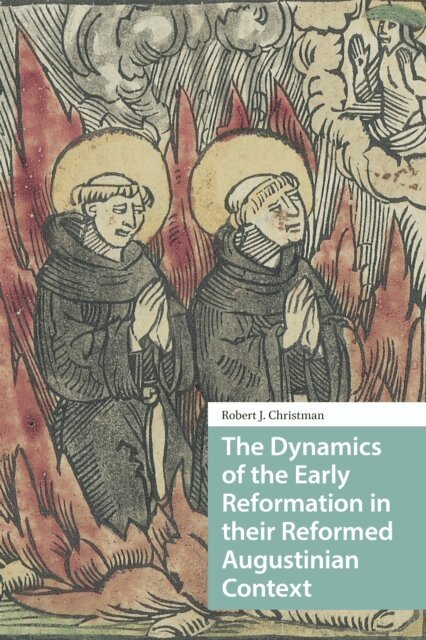
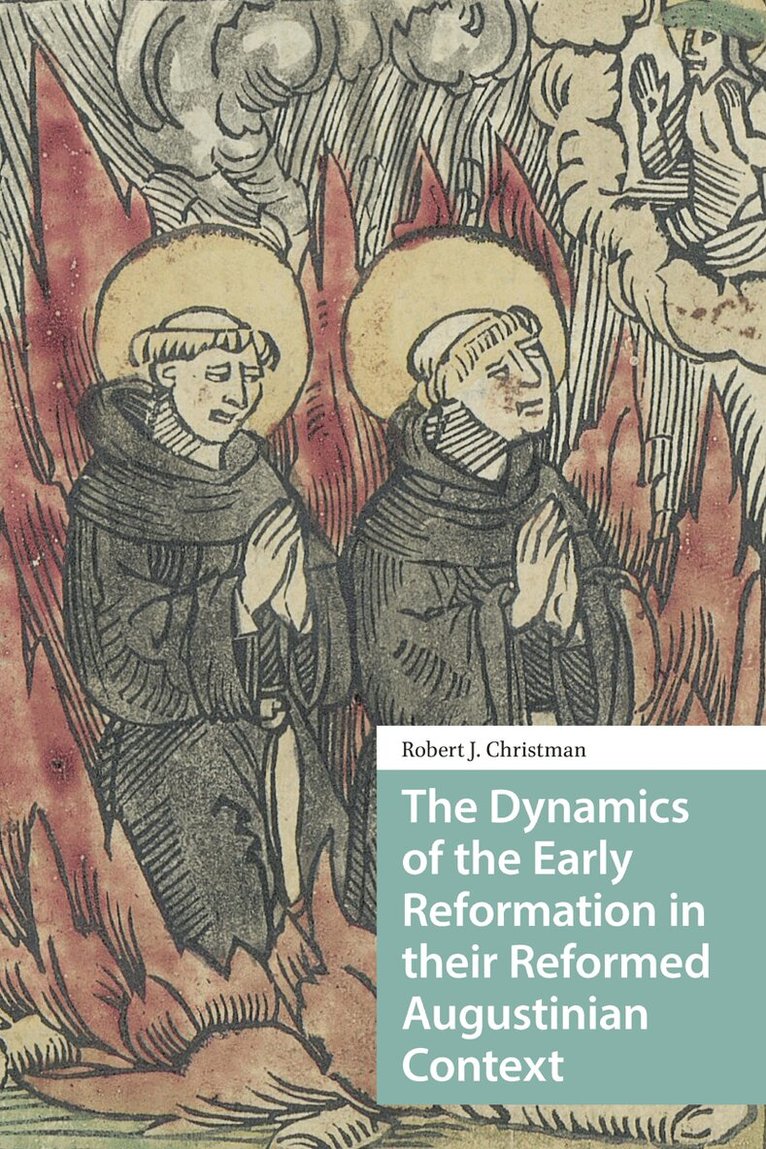
This study reveals that the burning executions were not isolated events but the culmination of broader Late Medieval Reformed Augustinian movements and a pivotal moment in the early Reformation.
Produktinformation
Utforska kategorier
Mer om författaren
Recensioner i media
Innehållsförteckning
Hoppa över listan


Mer från samma serie
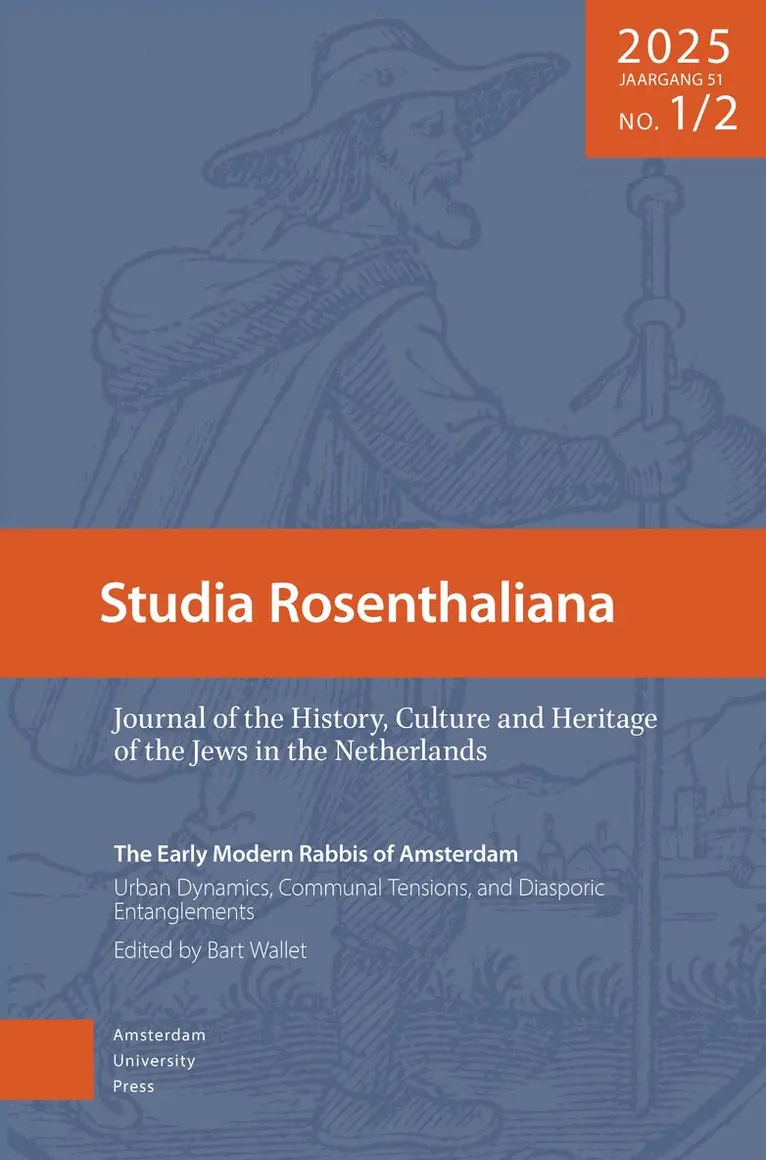
Early Modern Rabbis of Amsterdam: Urban Dynamics, Communal Tensions, and Diasporic Entanglement
Bart Wallet
Häftad, 2026
394 kr
Hoppa över listan




Du kanske också är intresserad av
- Nyhet
Dynamics of the Early Reformation in their Reformed Augustinian Context
Robert Christman
E-bok
2025829 kr
Dynamics of the Early Reformation in their Reformed Augustinian Context
Robert Christman
E-bok
2025813 kr
Dynamics of the Early Reformation in their Reformed Augustinian Context
Robert Christman
Häftad, 2025
695 kr
- Signerad!
- Signerad!
Del 3
- Nyhet
Del 11
- -21%
- -30%