Häftad, Engelska, 2018
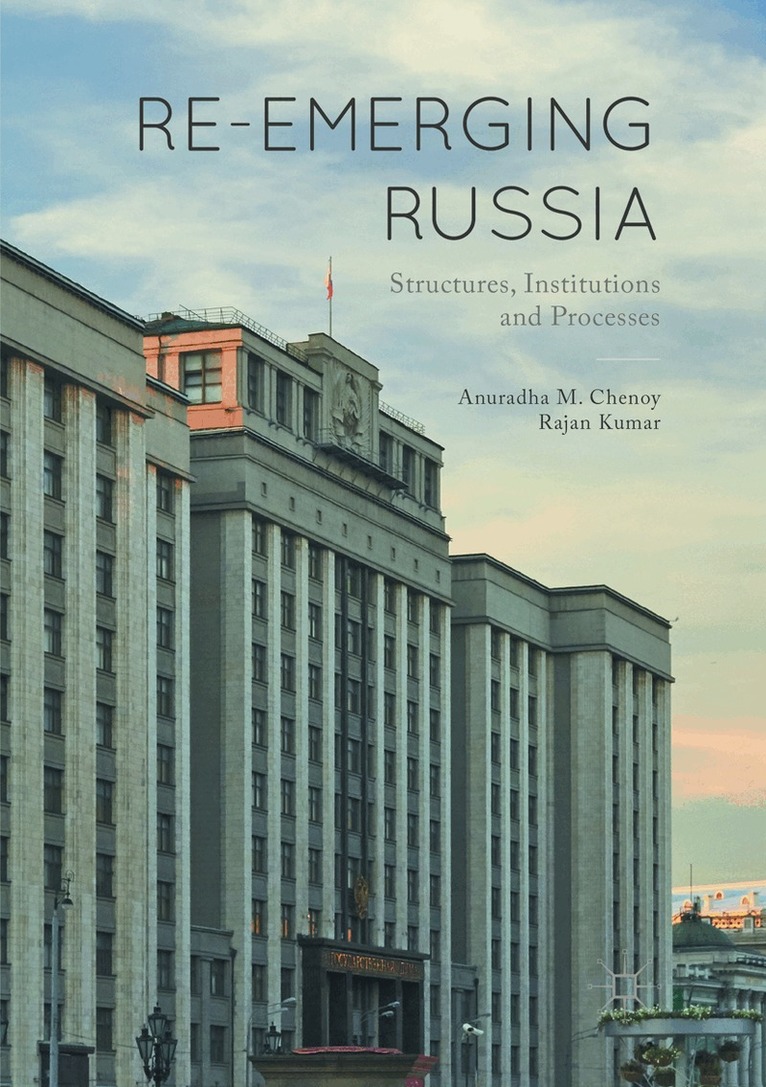
Re-emerging Russia
Av Anuradha M. Chenoy, Rajan Kumar
1313 kr
Beställningsvara. Skickas inom 10-15 vardagar. Fri frakt över 249 kr.
Beskrivning
This book examines the evolution, contexts and politics of the structures and institutions that shape contemporary Russia. It analyses the Soviet dissolution, revealing the combination of structural and agency factors. It traces the re-emergence of Russia from a unique perspective that is neither Western nor Eurasian, but specifically Indian, located in the global South. The book looks at key theoretical concepts and practices like democratic centralism that produced an overly centralised and rigid hierarchy within the Communist Party. This book assesses the continuities and changes with the Soviet past and the way the Russian regimes of the past two decades have reinvented and reshaped them. This book provides a multifaceted interpretation of contemporary Russia for general readers and specialists.
Produktinformation
- Utgivningsdatum: 2018-12-12
- Mått: 148 x 210 x 20 mm
- Vikt: 400 g
- Format: Häftad
- Språk: Engelska
- Antal sidor: 292
- Förlag: Springer Verlag, Singapore
- ISBN: 9789811353611
Utforska kategorier
Betyg & recensioner
0 recensioner
Inga recensioner tillgängliga.