• Fri frakt över 249 kr
  • •
  • Snabba leveranser
  • •
  • Billiga böcker
Kundservice

Du är på sajten för privatpersoner.

Företag, bibliotek eller offentlig verksamhet?

Du handlar på classic.bokus.com, där alla dina funktioner finns intakta.
Till classic.bokus.com
Bokus logotyp. Gå till startsidan.
  • Erbjudanden
  • Nyheter
  • Student
  • Topplistor
  • Barn & ungdom
  • Bokus Play
  • E-böcker
  • Pocketböcker
  • Spel & pussel

10% rabatt på allt med kod: NYSTART10 →

Sidfot

Mina sidor

    Hjälp

    • Kundservice
    • Vanliga frågor och svar
    • Frakt och leverans
    • Retur vid ångerrätt
    • Reklamera vara
    • Betalning
    • Köpvillkor
    • Allmänna villkor
    • Information om webbplatsens tillgänglighet

    Om Bokus

    • Om oss
    • Pressrum
    • För studenter
    • För företag
    • För bibliotek och offentlig verksamhet
    • För leverantörer
    • Hållbarhet

    Populärt

    • Aktuella erbjudanden
    • Presentkort
    • Studentlitteratur
    • Nya böcker
    • Topplistor
    • Signerade böcker
    • Engelska böcker

    Inspiration

    • Boktips
    • BookTok
    • Populära bokserier
    • Barnbokskaraktärer
    • Populära författare
    Logotyp för Bokus
    Följ oss på Facebook (extern länk)Följ oss på Instagram (extern länk)Följ oss på YouTube (extern länk)Följ oss på TikTok (extern länk)
    bokus @ CookiesAnpassa cookiesIntegritetspolicyKöpvillkor
    Till Citymail hemsida (extern länk)Till Budbee hemsida (extern länk)Till Postnord hemsida (extern länk)Till Schenker hemsida (extern länk)Till Early Bird hemsida (extern länk)Till Walleys hemsida (extern länk)
    1. Samhälle och politik
    2. Politik och statsskick
    3. Politisk aktivism

    Politics, Literature and Tertium Datur

    Socialist Central Europe, 1928–1968

    AvIvana Perica

    Inbunden, Engelska, 2025

    1 451 kr

    Beställningsvara. Skickas inom 10-15 vardagar. Fri frakt över 249 kr.

    Beskrivning

    Offers an alternate framing of the literary and political afterlives of revolution between 1928-1968 in Eastern and Western Europe.Politics, Literature and Tertium Datur combines the transfer of ideas between historical turning points with a comparative reading of political literatures in the European East and West to address the disparity between the abundance of scholarly accounts of 1968 and the simultaneous forgetting of developments in the interwar period that peaked around 1928. It deepens scholarly awareness of the transnational spaces of interwar literature and explores their afterlives in the post-World War II period.The book troubles and corrects Western European theories of 1968 by tracing the post-war afterlives of shared interwar experiences that point towards a socialist third way, or Georg Lukács’ tertium datur, and thus out of the conventionally understood East-West binary. It testifies to the existence of a literature that throughout the last century self-consciously oscillated between the exigencies of organized politics and the aesthetic task of helping to shape the humanity of tomorrow.Examining case studies of works by Bertolt Brecht, Ivan Olbracht and August Cesarec among others, Politics, Literature and Tertium Datur excavates a series of problems, optics and styles characteristic of the forgotten episodes of 20th-century literary history. It shows that the proverbial Iron Curtain was not impenetrable, and that the walls and borders erected in the post-war period could not completely suppress the reverberations and revival of projects that flourished in the political-literary metropolises of the interwar period.

    Produktinformation

    • Utgivningsdatum:2025-09-18
    • Mått:150 x 234 x 22 mm
    • Vikt:580 g
    • Format:Inbunden
    • Språk:Engelska
    • Antal sidor:304
    • Förlag:Bloomsbury Publishing Plc
    • ISBN:9798765123928

    Utforska kategorier

    • Politisk aktivism inom Samhälle och politik
    • Litteraturvetenskap inom Skönlitteratur

    Mer om författaren

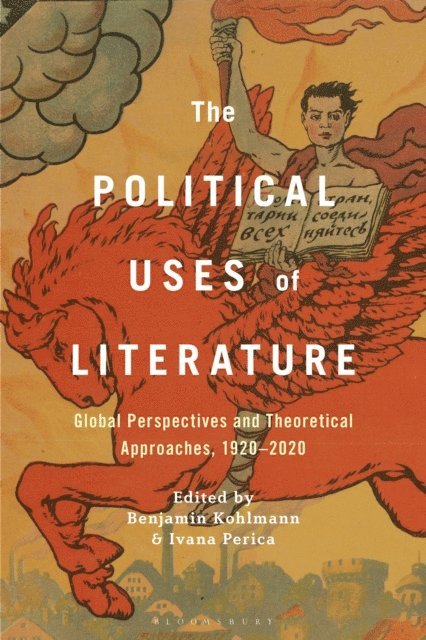
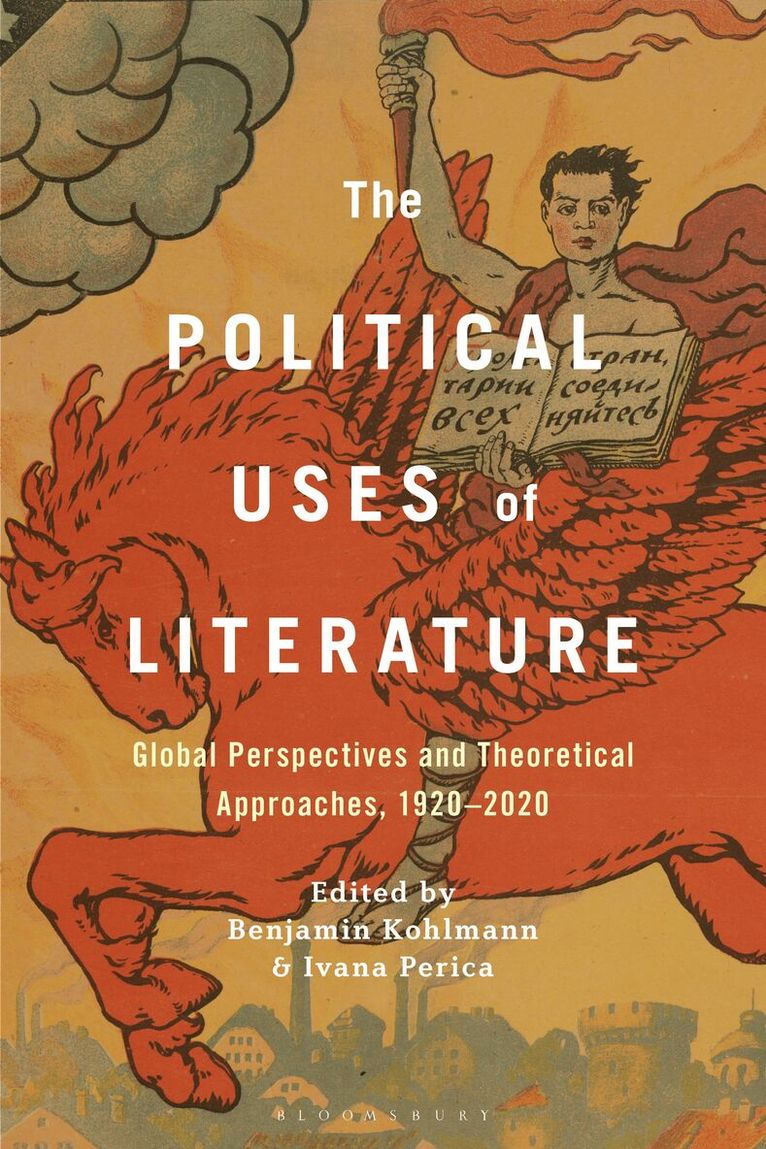
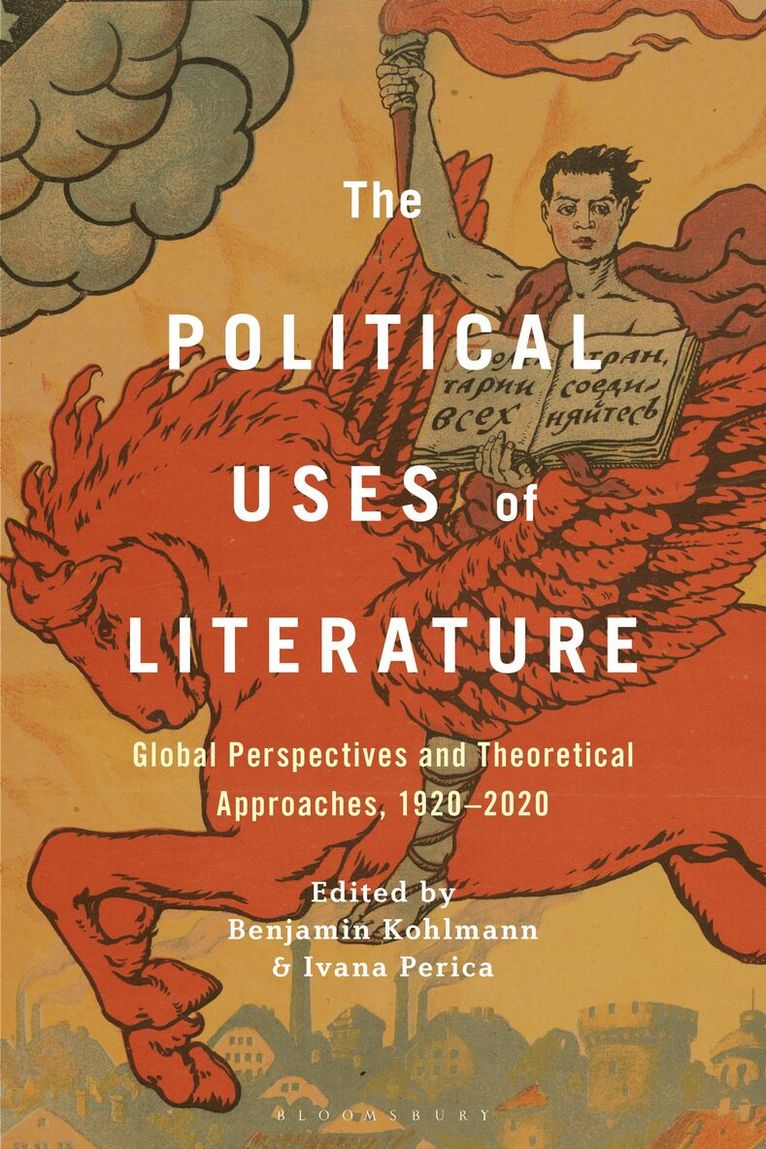
    Ivana Perica is a research fellow at the Leibniz Centre for Literary and Cultural Research (Zfl) in Berlin, Germany. She is co-editor of The Political Uses of Literature: Global Perspectives and Theoretical Approaches, 1920-2020 (Bloombsury, 2024) and author of Die privat-öffentliche Achse des Politischen: Das Unvernehmen zwischen Hannah Arendt und Jacques Rancière (2016).

    Recensioner i media

    Meandering between Berlin, Prague, Vienna, Zagreb and Belgrade, Perica’s rich and erudite study seeks a third way beyond the dilemmas of revolution and evolution that shaped leftist writing in Central Europe. This is a compelling contribution, always alert to the political stakes in reconstructing past debates, with their attendant frustrations and hopes.

    Innehållsförteckning

    • List of figuresList of abbreviationsPreface1. IntroductionPart I. The r/evolutionary stalemate2. What’s in a name? Political literature and the politics of literature3. Tropes of conflict and disagreement: Interwar metaphors, post-war metonymiesPart II. Nodal point ‘1928’4. The interwar r/evolutionary controversy5. ‘To marry art to the people’: Viennese hybridity6. Revolutionary pulp fiction: Ernst Fischer’s Lenin (1928) and Der große Verrat (The Great Treason, 1950)7. ‘Literature, too, is a war zone’: Berlin’s literary communism8. The negotiation play: Bertolt Brecht’s Die Maßnahme (The Measures Taken, 1930/1931)9. Freedom of art but partisanship of artists: Interwar Prague10. Male capital and its female peripheries: Ivan Olbracht’s O Anne, rusé prolétarce (About Anna, the Red Proletarian, 1925–1926/1928)11. The ‘social literature swindlers’ of Zagreb and Belgrade12. A tableau of exiles: August Cesarec’s Bjegunci (The Fugitives, 1933)Part III. Nodal point ‘1968’13. Cultural revolutions in the West, East, and in-between: Tertium datur?14. Individualistic anarchism as the vanishing point of the 1968 cultural revolution15. The dialectics of and yet: Peter Weiss’s Die Ästhetik des Widerstands (The Aesthetics of Resistance, 1971–1981)16. Socialism with a human face but without socialist literature? Political and literary dissent around the Prague Spring17. Josef Škvorecký’s precursory cynicism: Konec nylonového veku (The End of the Nylon Age, 1967) and Mirákl (The Miracle Game, 1972) 18. ‘Traditions and Perspectives’ of Yugoslav 1968 19. ‘The tragic Tartuffe-like existence of the revolutionary’: Ervin Šinko’s Optimisták (The Optimists, 1954) and Roman jednog romana: Moskovski dnevnik (The Novel of a Novel: Abridged Diary Entries from Moscow, 1935–1937, 1955) 20. A r/evolutionary synthesis: Georg Lukács’s Die Eigenart des Ästhetischen (The Specificity of the Aesthetic, 1963)ReferencesIndex