E-bok, Engelska
Southern History across the Color Line
535 kr
Läs direkt i Bokus Reader – eller ladda ned till din enhet (PDF kräver ofta zoom och scroll på små skärmar).
Beskrivning
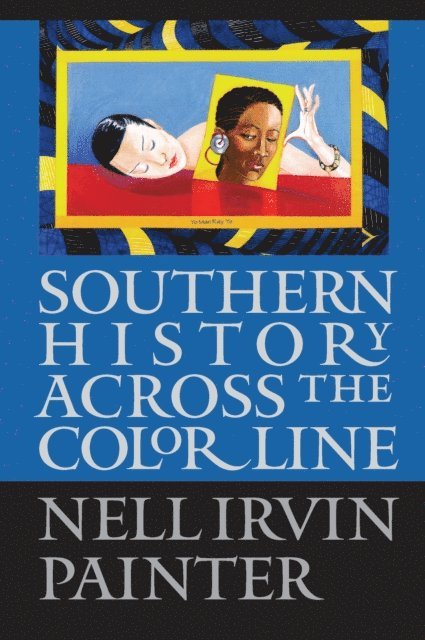
The color line, once all too solid in southern public life, still exists in the study of southern history. As distinguished historian Nell Irvin Painter notes, historians often still write about the South as though people of different races occupied entirely different spheres. In truth, although blacks and whites were expected to remain in their assigned places in the southern social hierarchy throughout the nineteenth and much of the twentieth century, their lives were thoroughly entangled.
In this powerful collection, Painter reaches across the color line to examine how race, gender, class, and individual subjectivity shaped the lives of black and white women and men in the nineteenth- and twentieth-century South. Through six essays, she explores such themes as interracial sex, white supremacy, and the physical and psychological violence of slavery, using insights gleaned from psychology and feminist social science as well as social, cultural, and intellectual history.
At once pioneering and reflective, the book illustrates both the breadth of Painter’s interests and the originality of her intellectual contributions. It will inspire and guide a new generation of historians who take her goal of transcending the color bar as their own.
In this powerful collection, Painter reaches across the color line to examine how race, gender, class, and individual subjectivity shaped the lives of black and white women and men in the nineteenth- and twentieth-century South. Through six essays, she explores such themes as interracial sex, white supremacy, and the physical and psychological violence of slavery, using insights gleaned from psychology and feminist social science as well as social, cultural, and intellectual history.
At once pioneering and reflective, the book illustrates both the breadth of Painter’s interests and the originality of her intellectual contributions. It will inspire and guide a new generation of historians who take her goal of transcending the color bar as their own.
Produktinformation
- Språk: Engelska
- Antal sidor: 262
- Filformat: PDF
- Kopieringsskydd: LCP
- ISBN: 9798890875075
- Förlag: The University of North Carolina Press
Utforska kategorier
Betyg & recensioner
0 recensioner
Inga recensioner tillgängliga.