
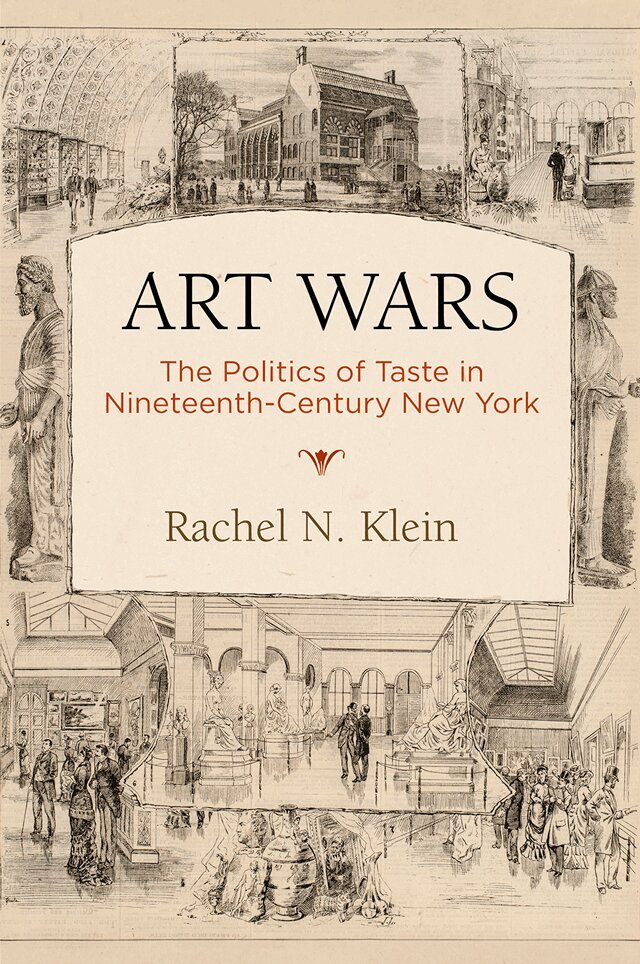
Unification of a Slave State
The Rise of the Planter Class in the South Carolina Backcountry, 1760-1808
E-bok
PDF, Engelska, 2012402 kr
Läs direkt i Bokus Reader – eller ladda ned till din enhet (PDF kräver ofta zoom och scroll på små skärmar).
Fler format och utgåvor
Beskrivning
This book describes the turbulent transformation of South Carolina from a colony rent by sectional conflict into a state dominated by the South’s most unified and politically powerful planter leadership. Rachel Klein unravels the sources of conflict and growing unity, showing how a deep commitment to slavery enabled leaders from both low– and backcountry to define the terms of political and ideological compromise.
The spread of cotton into the backcountry, often invoked as the reason for South Carolina’s political unification, actually concluded a complex struggle for power and legitimacy. Beginning with the Regulator Uprising of the 1760s, Klein demonstrates how backcountry leaders both gained authority among yeoman constituents and assumed a powerful role within state government. By defining slavery as the natural extension of familial inequality, backcountry ministers strengthened the planter class. At the same time, evangelical religion, like the backcountry’s dominant political language, expressed yet contained the persisting tensions between planters and yeomen.
Klein weaves social, political, and religious history into a formidable account of planter class formation and southern frontier development.
The spread of cotton into the backcountry, often invoked as the reason for South Carolina’s political unification, actually concluded a complex struggle for power and legitimacy. Beginning with the Regulator Uprising of the 1760s, Klein demonstrates how backcountry leaders both gained authority among yeoman constituents and assumed a powerful role within state government. By defining slavery as the natural extension of familial inequality, backcountry ministers strengthened the planter class. At the same time, evangelical religion, like the backcountry’s dominant political language, expressed yet contained the persisting tensions between planters and yeomen.
Klein weaves social, political, and religious history into a formidable account of planter class formation and southern frontier development.
Produktinformation
Utforska kategorier
Hoppa över listan







Du kanske också är intresserad av
- Nyhet
Del 11
- Signerad!
Del 3
- -12%
- Nyhet
- Nyhet
- -30%
- Signerad!