A Cavaco-Paulo - Böcker
Visar alla böcker från författaren A Cavaco-Paulo. Handla med fri frakt och snabb leverans.
2 produkter
2 produkter
1 898 kr
Skickas inom 7-10 vardagar
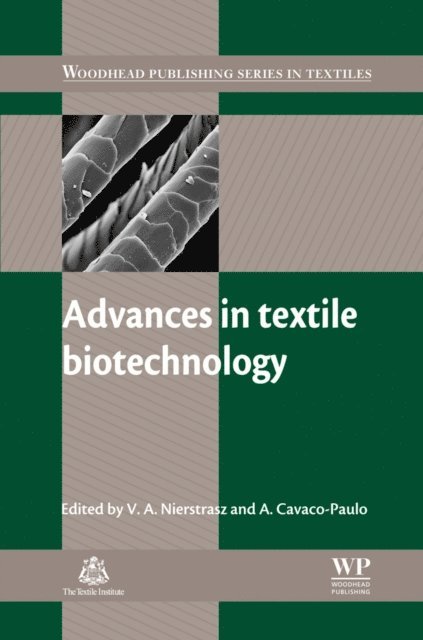
Biotechnology has impacted the textiles industry through the development of more efficient and environmentally friendly manufacturing processes, as well as enabling the design of improved textile materials. This book will provide a thorough overview of current and future focuses of biotechnology in the fibre and textile industry. Part one of the book opens with a review of technologies involved in textile biotechnology. Chapters explore the design and engineering of novel enzymes for textile applications and developments in processes and equipment for enzymatic textile treatments. Part two investigates the modification of particular fibres through the use of biotechnology. Key topics include the treatment of wool and silk fibres and the enzymatic treatment versus conventional processing of cotton.With expert contributions from leaders in their fields, Advances in textile biotechnology is a comprehensive guide for those in the textile and fibre industry, as well as experts in the biology, chemical and environmental engineering industries.Provides a thorough overview of current and future focuses of biotechnology in the fibre and textile industryExplores production of enzymes, searching for efficient production systems and also documents the advantages and limitations associated with the processReviews the debate surrounding enzymatic treatment versus conventional processing of cotton along with engineering of plants for improved fibre qualities
2 142 kr
Skickas inom 7-10 vardagar
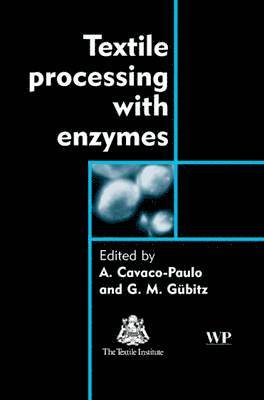
With the increasingly important requirement for textile manufacturers to reduce pollution in textile production, the use of enzymes in the chemical processing of fibres and textiles is rapidly gaining wider recognition because of their non-toxic and eco-friendly characteristics. They can be safely used in a wide selection of textile processes such as de-sizing, scouring, bleaching, dyeing and finishing, where the alternatives are very harsh chemicals whose disposal into the environment causes many problems.Textile processing with enzymes aims to provide the textile technologist with an understanding of enzymes and their use with textile materials and in process engineering. It covers all the relevant aspects of textile processing with enzymes, from the chemical constitution and properties of textile materials as potential substrates for enzymes, to the processing of these materials; from basic biochemistry and enzymology to the industrial application of these biocatalysts.The introductory chapter contains an historic overview of the subject, followed by an overview of the fundamental aspects of enzymes determining catalytic properties. There is also a review of non-fibrous materials as substrates for enzymes. Chapter four covers catalysis and processing; providing an analysis of the function and application of enzymes used in textile processing. The fifth chapter offers important insights in process engineering and describes major problems of industrial applications of enzymes in textiles. Chapter six discusses practical aspects of handling with enzymes. Enzyme stabilities, operational and storage stabilities are discussed in detail along with health and safety issues. The final chapter deals with the potential of enzymes in textile effluent treatment.It is a valuable resource for anyone interested in the use of enzymes in textiles including textile students, scientists and engineers with a background in textiles, biotechnology, chemistry and process engineering.Aims to provide the textile technologist with an understanding of enzymes and their use with textile materials and in process engineeringCovers the relevant aspects of textile processing with enzymes, from the chemical constitution and properties of textile materials as potential substrates for enzymes, to the processing of these materialsOutlines the benefits of using enzymes in the chemical processing of fibres and textiles thanks to their non-toxic and eco-friendly characteristics