A. G. N. van Bentem – författare
Visar alla böcker från författaren A. G. N. van Bentem. Handla med fri frakt och snabb leverans.
2 produkter
2 produkter
1 822 kr
Tillfälligt slut
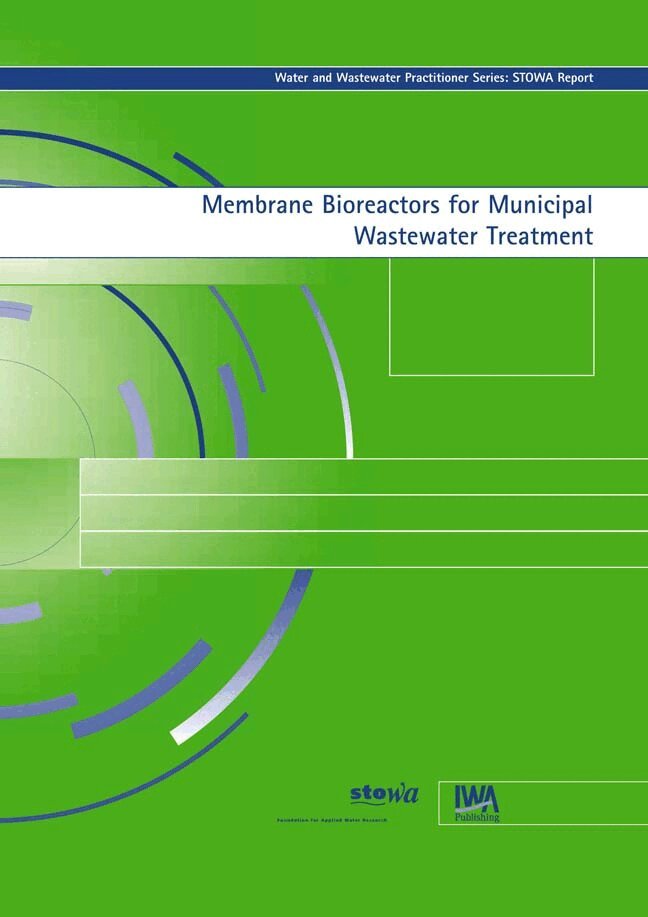
Recent technical innovations and significant cost reductions have sharply increased the potential for using Membrane Bioreactor (MBR) technology in municipal wastewater treatment. MBR technology displays several advantages compared to the traditional activated sludge processes, such as high effluent quality, limited space requirement and with the possibility of a flexible and phased extension of existing waste water treatment plants. Membrane Bioreactors for Municipal Wastewater Treatment describes the results of a comparative research programme involving four leading membrane suppliers: Kubota (Japan), Mitsubishi (Japan), X-Flow (Netherlands) and Zenon (Canada). Each supplier provided a pilot to represent a suitable scale - right up to full scale. These pilots were operated and optimised in the course of the research programme to achieve the best operating window under different operating regimes. The research focussed on the functionality of the membrane, the biological treatment, membrane fouling, achieved effluent quality, and system operability as well as other factors. In a number of side studies the required pre-treatment, membrane fouling/cleaning, energy usage, effluent quality and sludge processing were also addressed. The comparative pilot research was carried out by DHV Water on location at the wastewater treatment plant at Beverwijk in the Netherlands.
1 634 kr
Tillfälligt slut
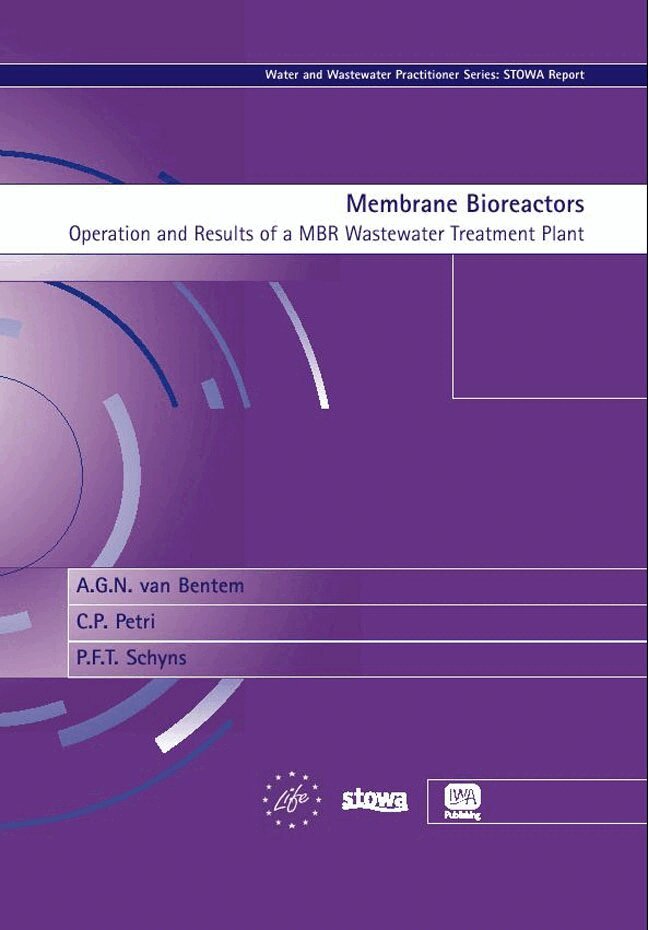
Membrane Bioreactors (MBR) are becoming increasingly important in the treatment of municipal wastewater. Compared to traditional treatment techniques, MBR’s require far smaller surface areas and produce better effluent quality. This publication reports the results and experiences of the first 16 months of operation and the associated research programme of the first full-scale MBR in the Netherlands which entered operation in December 2004. Detailed results of the plants technical performance are presented together with experience of optimising the processes. The design is evaluated and design recommendations are presented. MBR set-up and initialization costs are compared with those of conventional WWTPs. The report confirms the suitability of MBR technology for the treatment of municipal wastewater taking into account the technical performance and cost considerations. This publication will be an invaluable source of reference for all those concerned with the treatment of municipal wastewater.