A. Geis – författare
Visar alla böcker från författaren A. Geis. Handla med fri frakt och snabb leverans.
6 produkter
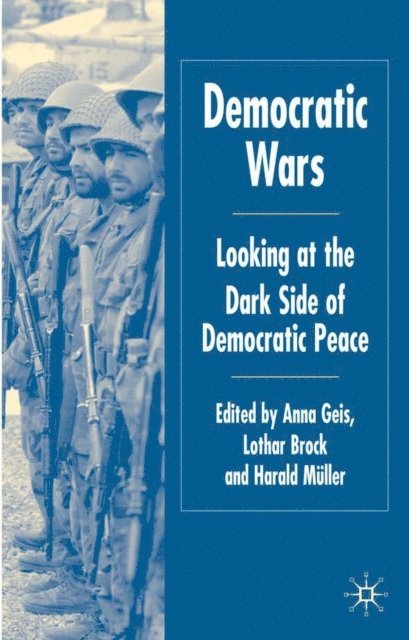
Democratic Wars
Looking at the Dark Side of Democratic Peace
Av H. Mueller, L. Brock m. fl.
E-bok, 2006
779 kr
Lägg i varukorg
The book turns the ''democratic peace'' theme on its head: rather than investigating the reasons for the supposed pacifism of democracies, it looks for the causes of their militancy. In order to solve this puzzle, the authors look across International Relations, political theory, political …
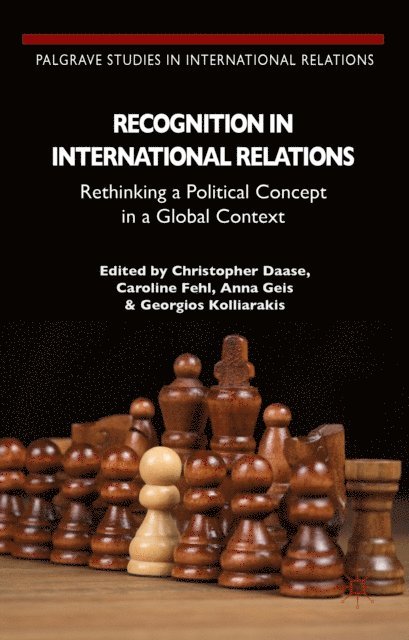
Recognition in International Relations
Rethinking a Political Concept in a Global Context
Inbunden, 2015
552 kr
Lägg i varukorg
Recognition is a basic human need, but it is not a panacea to all societal ills. This volume assembles contributions from International Relations, Political Theory and International Law in order to show that recognition is a gradual process and an ambiguous concept both in theory and political …
Recognition in International Relations
Rethinking a Political Concept in a Global Context
Av Georgios Kolliarakis, Caroline Fehl m. fl.
E-bok, 2015
779 kr
Lägg i varukorg
Recognition is a basic human need, but it is not a panacea to all societal ills. This volume assembles contributions from International Relations, Political Theory and International Law in order to show that recognition is a gradual process and an ambiguous concept both in theory and political …
Recognition in International Relations
Rethinking a Political Concept in a Global Context
Häftad, 2015
552 kr
Lägg i varukorg
Recognition is a basic human need, but it is not a panacea to all societal ills. This volume assembles contributions from International Relations, Political Theory and International Law in order to show that recognition is a gradual process and an ambiguous concept both in theory and political …
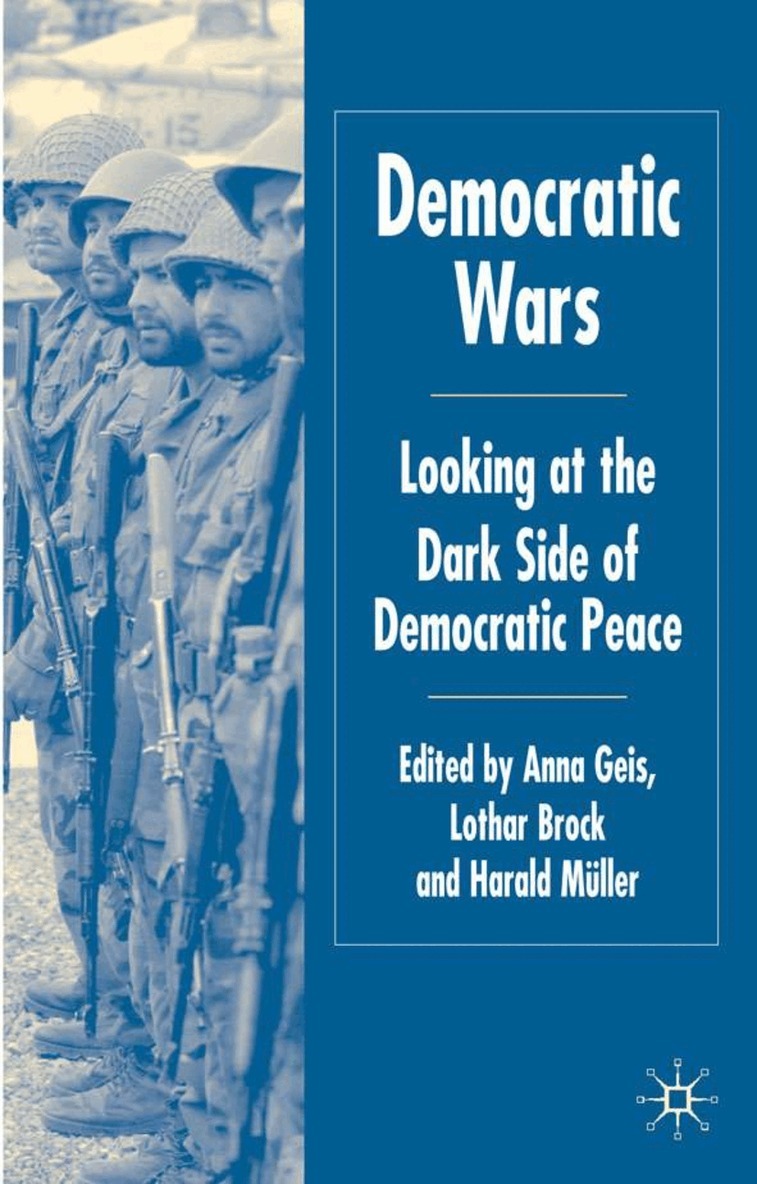
Democratic Wars
Looking at the Dark Side of Democratic Peace
Häftad, 2006
552 kr
Lägg i varukorg
The book turns the 'democratic peace' theme on its head: rather than investigating the reasons for the supposed pacifism of democracies, it looks for the causes of their militancy. In order to solve this puzzle, the authors look across International Relations, political theory, political philosophy …
Democratic Wars
Looking at the Dark Side of Democratic Peace
Inbunden, 2006
552 kr
Lägg i varukorg
The book turns the 'democratic peace' theme on its head: rather than investigating the reasons for the supposed pacifism of democracies, it looks for the causes of their militancy. In order to solve this puzzle, the authors look across International Relations, political theory, political philosophy …