A. J. Veal – författare
Visar alla böcker från författaren A. J. Veal. Handla med fri frakt och snabb leverans.
12 produkter
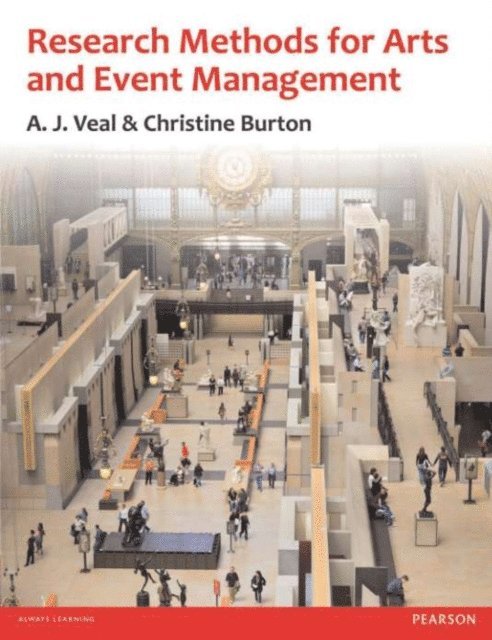
Research Methods for Arts and Event Management
Av Christine Burton, A. J. Veal
E-bok, 2014
681 kr
Lägg i varukorg
Research Methods for Arts and Events Management provides a compelling and comprehensive guide to research methods for undergraduate and postgraduate students in arts and events management, as well as for managers in the industry. It provides students and practising managers with: Essential skills …
Leisure and the Future
Av A. J. Veal
Inbunden, 2019
1828 kr
Lägg i varukorg
First published in 1987. In the context of the debate about the changing structure of modem economies, the growth of leisure, and the place of work and leisure in society, this book reviews the ‘state of the art’ of leisure forecasting and the study of leisure futures. It traces man's concern with …
Leisure and the Future
Av A. J. Veal
Häftad, 2020
546 kr
Lägg i varukorg
First published in 1987. In the context of the debate about the changing structure of modem economies, the growth of leisure, and the place of work and leisure in society, this book reviews the ‘state of the art’ of leisure forecasting and the study of leisure futures. It traces man's concern with …
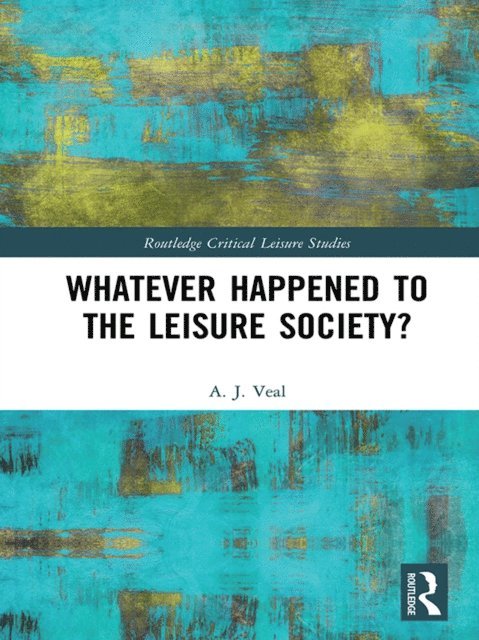
Whatever Happened to the Leisure Society?
Av A. J. Veal
Häftad, 2020
692 kr
Lägg i varukorg
The idea of a ‘leisure society’ was in its heyday in the 1960s and 1970s, when it was predicted that the pattern of falling working hours which had been experienced in Western societies in the first half of the twentieth century would continue indefinitely. The leisure society has clearly not been …
Leisure and the Future
Av A. J. Veal
E-bok, 2019
627 kr
Lägg i varukorg
First published in 1987. In the context of the debate about the changing structure of modem economies, the growth of leisure, and the place of work and leisure in society, this book reviews the ‘state of the art’ of leisure forecasting and the study of leisure futures. It traces man''s concern …
Leisure and the Future
Av A. J. Veal
E-bok, 2019
641 kr
Lägg i varukorg
First published in 1987. In the context of the debate about the changing structure of modem economies, the growth of leisure, and the place of work and leisure in society, this book reviews the ‘state of the art’ of leisure forecasting and the study of leisure futures. It traces man''s concern …
Olympic Games
A Social Science Perspective
Av Kristine Toohey, A. J. Veal
Häftad, 2007
781 kr
Lägg i varukorg
This 2nd edition of a highly successful book (published in 2000) provides a comprehensive, critical analysis of the Olympic Games using a multi-disciplinary social science approach. This revised edition contains much new data relating to the Sydney 2000 Games and their aftermath; and preparations …
Whatever Happened to the Leisure Society?
Av A. J. Veal
Inbunden, 2018
2519 kr
Lägg i varukorg
The idea of a ‘leisure society’ was in its heyday in the 1960s and 1970s, when it was predicted that the pattern of falling working hours which had been experienced in Western societies in the first half of the twentieth century would continue indefinitely. The leisure society has clearly not been …
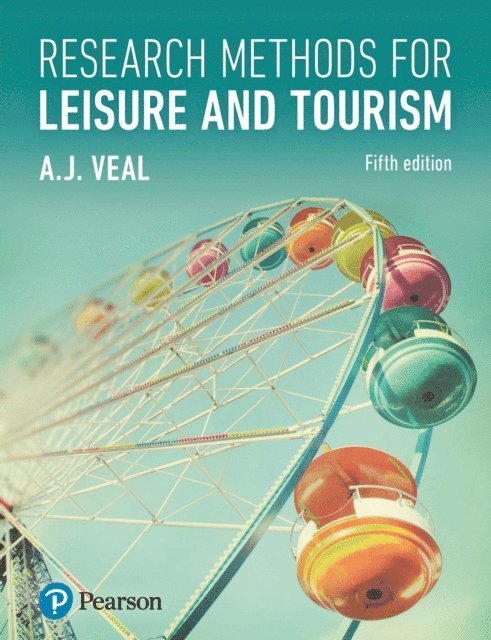
Research Methods for Leisure and Tourism
Av A. J. Veal
E-bok, 2017
696 kr
Lägg i varukorg
Now in its 5th edition, Research Methods for Leisure and Tourism has become the ultimate reference text for both students enrolled in undergraduate and postgraduate degrees and practising managers. This book combines comprehensive coverage of a wide variety of qualitative and quantitative research …
Whatever Happened to the Leisure Society?
Av A. J. Veal
E-bok, 2018
838 kr
Lägg i varukorg
The idea of a ‘leisure society’ was in its heyday in the 1960s and 1970s, when it was predicted that the pattern of falling working hours which had been experienced in Western societies in the first half of the twentieth century would continue indefinitely. The leisure society has clearly not …
Whatever Happened to the Leisure Society?
Av A. J. Veal
E-bok, 2018
838 kr
Lägg i varukorg
The idea of a ‘leisure society’ was in its heyday in the 1960s and 1970s, when it was predicted that the pattern of falling working hours which had been experienced in Western societies in the first half of the twentieth century would continue indefinitely. The leisure society has clearly not …
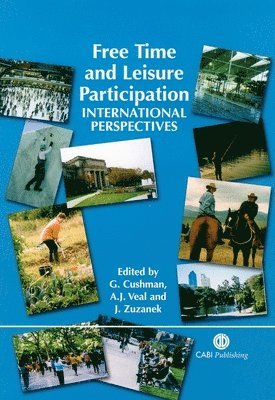
Free Time and Leisure Participation
International Perspectives
Av Grant Cushman, A. J. Veal m. fl.
Inbunden, 2005
1502 kr
Tillfälligt slut
In the 21st century free time is an increasingly precious resource. At the same time, leisure has never been more vital for ensuring individual and social health, wellbeing and quality of life. Around the world, governments and industry have responsibilities and opportunities to ensure provision of …