A. James Gregor – författare
Visar alla böcker från författaren A. James Gregor. Handla med fri frakt och snabb leverans.
48 produkter
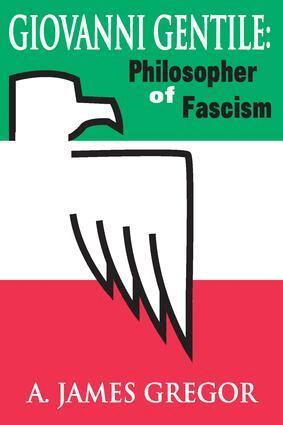
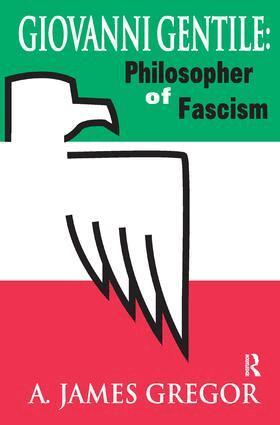
Giovanni Gentile
Philosopher of Fascism
Häftad, 2004
793 kr
Lägg i varukorg
The recent rise in Europe of extreme right-wing political parties along with outbreaks of violent nationalist fervor in the former communist bloc has occasioned much speculation on a possible resurgence of fascism. At the polemical level, fascism has become a generic term applied to virtually any …
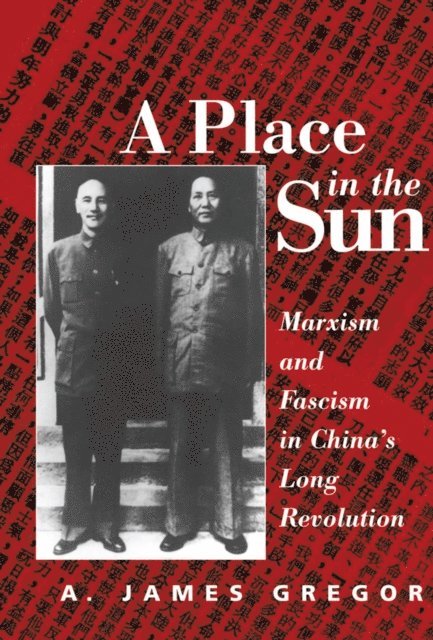
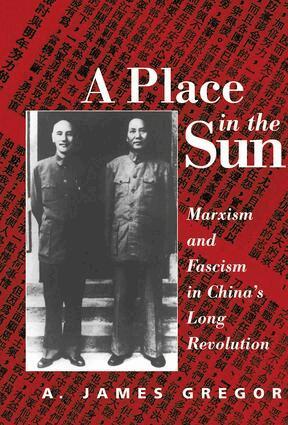
Place In The Sun
Marxism And Fascimsm In China''s Long Revolution
E-bok, 2019
2318 kr
Lägg i varukorg
China has endured a century of turmoil, beginning with the anti-dynastic revolution associated with Sun Yat-Sen, through the military and tutelary rule of Chiang Kai-shek, the revolutionary regime of Mao Zedong, and the radical reforms of Deng Xiaoping. China has had little respite. Historians and …
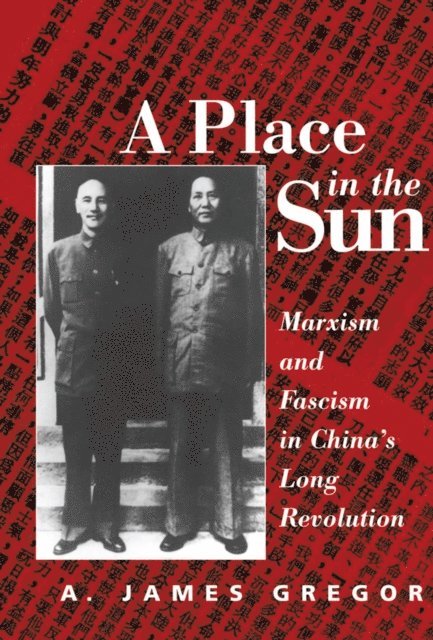
Place In The Sun
Marxism And Fascimsm In China''s Long Revolution
E-bok, 2019
2318 kr
Lägg i varukorg
China has endured a century of turmoil, beginning with the anti-dynastic revolution associated with Sun Yat-Sen, through the military and tutelary rule of Chiang Kai-shek, the revolutionary regime of Mao Zedong, and the radical reforms of Deng Xiaoping. China has had little respite. Historians and …
Young Mussolini and the Intellectual Origins of Fascism
Häftad, 1979
515 kr
Lägg i varukorg
Young Mussolini and the Intellectual Origins of Fascism challenges the familiar picture of Mussolini as a restless opportunist without convictions. Instead, the book reconstructs an intellectual trajectory that begins with Mussolini’s immersion in Marxism and culminates in a systematic reworking of …
Young Mussolini and the Intellectual Origins of Fascism
E-bok, 1979
357 kr
Lägg i varukorg
This title is part of UC Press's Voices Revived program, which commemorates University of California Press’s mission to seek out and cultivate the brightest minds and give them voice, reach, and impact. Drawing on a backlist dating to 1893, Voices Revived makes high-quality, peer-reviewed …
Young Mussolini and the Intellectual Origins of Fascism
Inbunden, 1979
1190 kr
Lägg i varukorg
Young Mussolini and the Intellectual Origins of Fascism challenges the familiar picture of Mussolini as a restless opportunist without convictions. Instead, the book reconstructs an intellectual trajectory that begins with Mussolini’s immersion in Marxism and culminates in a systematic reworking of …
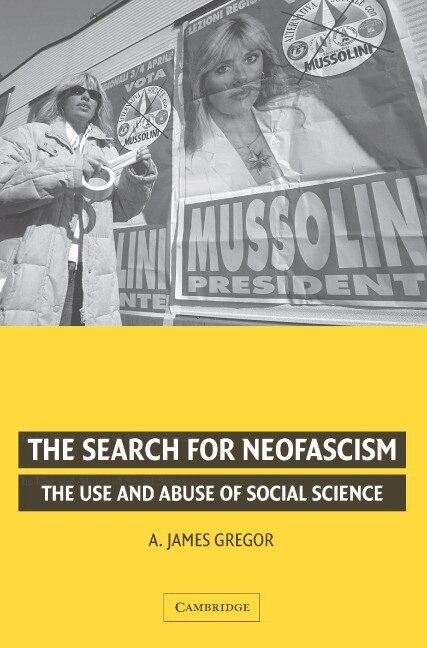
The Search for Neofascism
The Use and Abuse of Social Science
Häftad, 2006
471 kr
Lägg i varukorg
A study of the informal logic that has governed the half-century of academic writing devoted to what has been generally identified as 'neofascism', together with a careful assessment of those political movements and regimes considered the proper objects of inquiry. The intent of the study is both …
Mussolini's Intellectuals
Fascist Social and Political Thought
Häftad, 2006
432 kr
Lägg i varukorg
Fascism has traditionally been characterized as irrational and anti-intellectual, finding expression exclusively as a cluster of myths, emotions, instincts, and hatreds. This intellectual history of Italian Fascism--the product of four decades of work by one of the leading experts on the subject in …
Italian Fascism and Developmental Dictatorship
Häftad, 2014
729 kr
Lägg i varukorg
Political scientists generally have been disposed to treat Italian Fascism--if not generic fascism--as an idiosyncratic episode in the special history of Europe. James Gregor contends, to the contrary, that Italian Fascism has much in common with an inclusive class of developmental revolutionary …
Fascist Persuasion in Radical Politics
Häftad, 2015
814 kr
Lägg i varukorg
How valid are the assertions of contemporary radicals who insist that they are "Marxists"? A. James Gregor measures the distance that separates today's radicals from the belief system of Marx and Engels. He finds that the characteristic qualities of modern mass-mobilizing movements bear more …
Italian Fascism and Developmental Dictatorship
Inbunden, 2016
3066 kr
Lägg i varukorg
Political scientists generally have been disposed to treat Italian Fascism--if not generic fascism--as an idiosyncratic episode in the special history of Europe. James Gregor contends, to the contrary, that Italian Fascism has much in common with an inclusive class of developmental revolutionary …
Fascist Persuasion in Radical Politics
Inbunden, 2016
3372 kr
Lägg i varukorg
How valid are the assertions of contemporary radicals who insist that they are "Marxists"? A. James Gregor measures the distance that separates today's radicals from the belief system of Marx and Engels. He finds that the characteristic qualities of modern mass-mobilizing movements bear more …
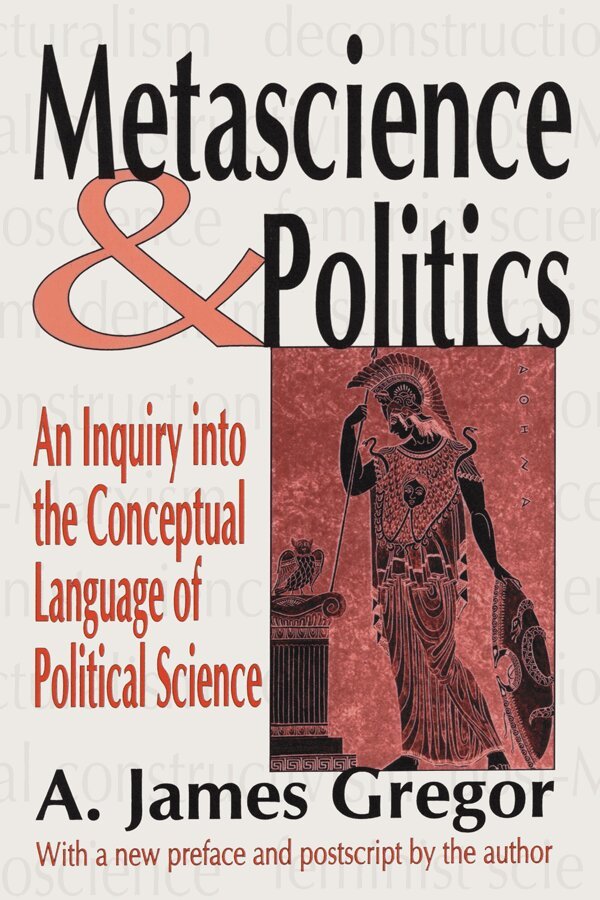
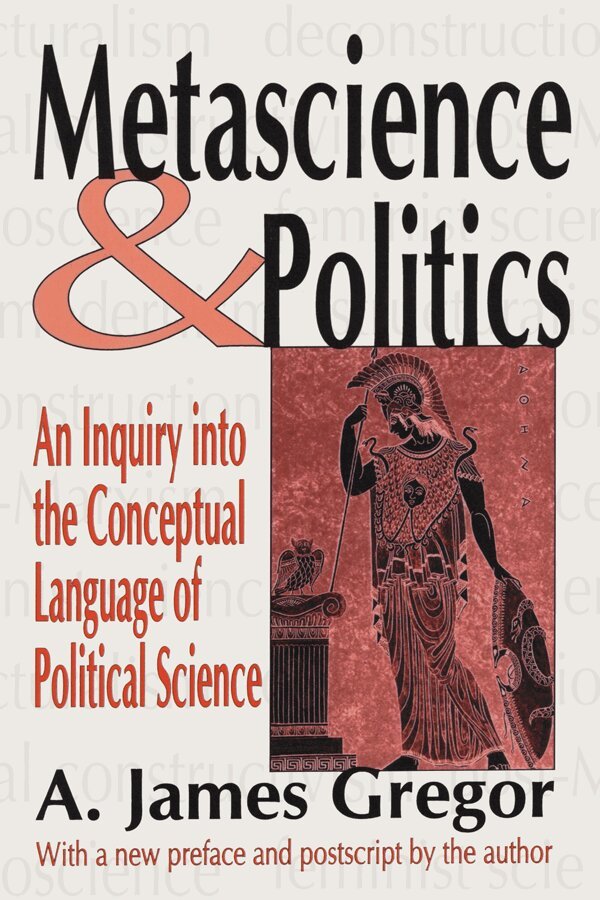
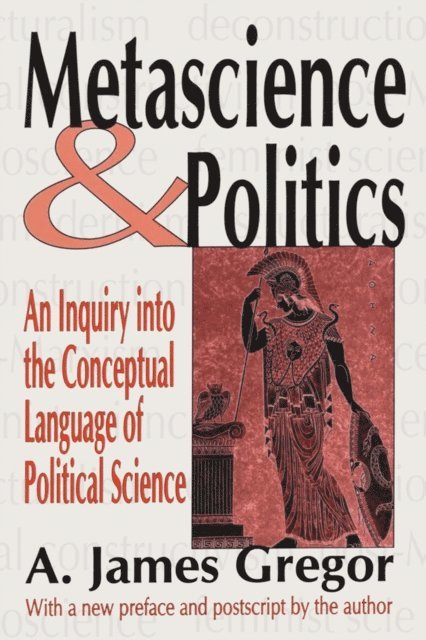
Metascience and Politics
An Inquiry into the Conceptual Language of Political Science
Häftad, 2003
914 kr
Lägg i varukorg
A central problem in political inquiry is the conceptual and linguistic informality of political science. For most of its history, the discipline has been largely pursued with the analytic and logical machinery of ordinary language. Likewise, there has been little effort to standardize how language …
Marxism, China, and Development
Reflections on Theory and Reality
Häftad, 1999
771 kr
Lägg i varukorg
China has always been something of a mystery to Westerners. For one genera-tion, Mao Zedong and his followers were simple "agrarian reformers," while for another they were the "communist emperor and his blue ants." In the 1970s, some of the finest Sinologists believed there was much the United …
Phoenix
Fascism in Our Time
Häftad, 2021
764 kr
Lägg i varukorg
A great deal of effort has been expended by Anglo-American scholars in an attempt to isolate past and contemporary "fascisms", "neofascisms", "cryptofascisms" and "latent" fascisms in the modern world. A. James Gregor's "Phoenix: Fascism in Our Time" is an insightful history of the intellectual …
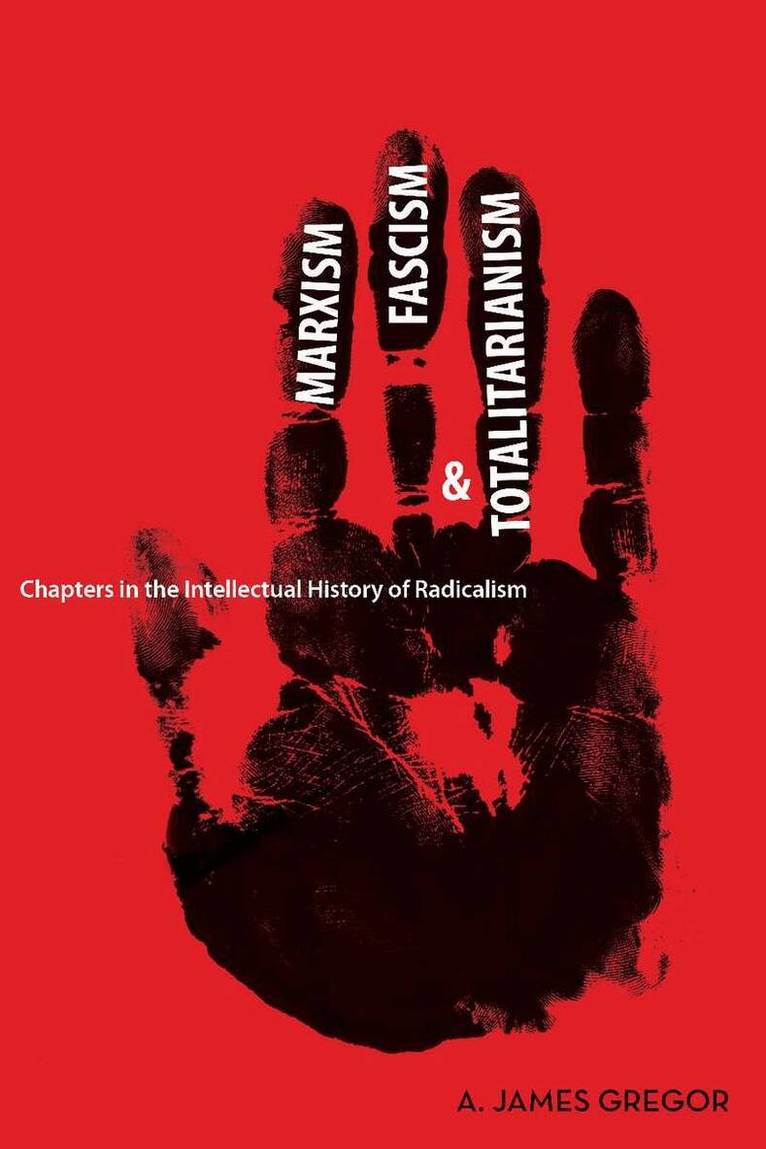
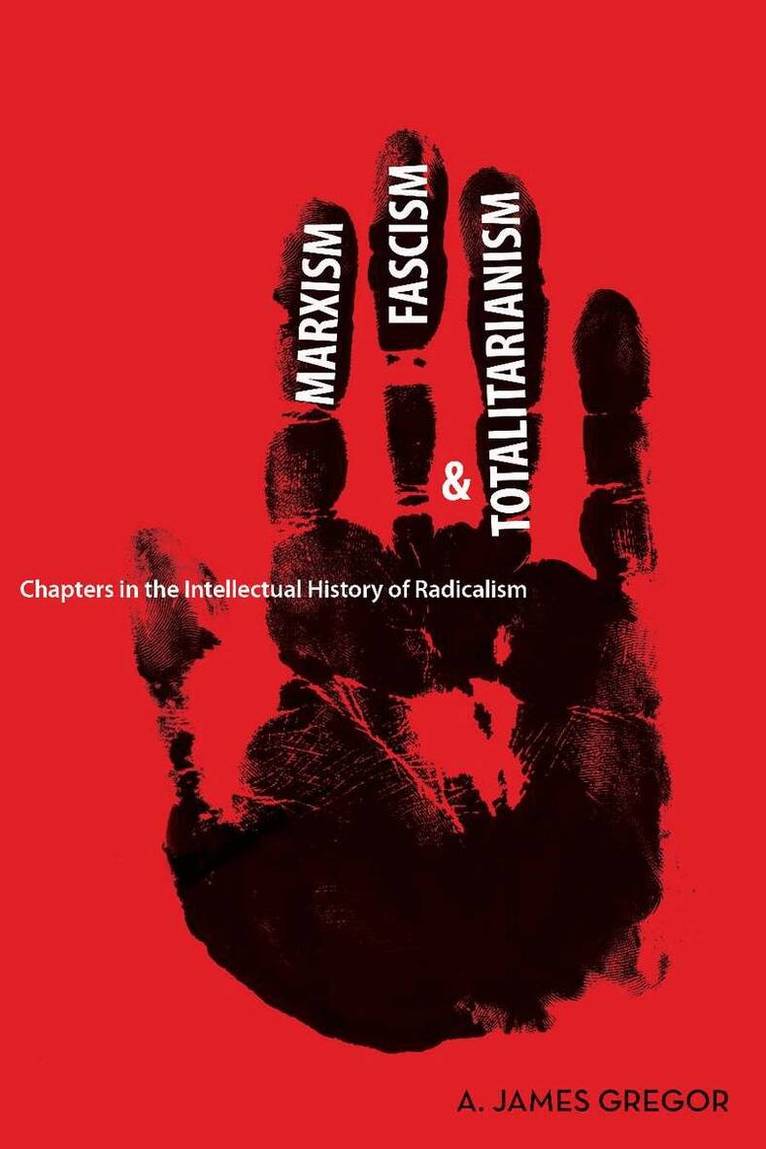
Marxism, Fascism, and Totalitarianism
Chapters in the Intellectual History of Radicalism
Inbunden, 2008
1505 kr
Lägg i varukorg
This work traces the changes in classical Marxism (the Marxism of Karl Marx and Friedrich Engels) that took place after the death of its founders. It outlines the variants that appeared around the turn of the twentieth century—one of which was to be of influence among the followers of Adolf Hitler, …
Marxism, Fascism, and Totalitarianism
Chapters in the Intellectual History of Radicalism
Häftad, 2008
354 kr
Lägg i varukorg
This work traces the changes in classical Marxism (the Marxism of Karl Marx and Friedrich Engels) that took place after the death of its founders. It outlines the variants that appeared around the turn of the twentieth century—one of which was to be of influence among the followers of Adolf Hitler, …
Marxism, Fascism, and Totalitarianism
Chapters in the Intellectual History of Radicalism
E-bok, 2008
407 kr
Lägg i varukorg
This work traces the changes in classical Marxism (the Marxism of Karl Marx and Friedrich Engels) that took place after the death of its founders. It outlines the variants that appeared around the turn of the twentieth century—one of which was to be of influence among the followers of Adolf Hitler, …
Place In The Sun
Marxism And Fascimsm In China's Long Revolution
Inbunden, 2000
2195 kr
Lägg i varukorg
China has endured a century of turmoil, beginning with the anti-dynastic revolution associated with Sun Yat-Sen, through the military and tutelary rule of Chiang Kai-shek, the revolutionary regime of Mao Zedong, and the radical reforms of Deng Xiaoping. China has had little respite. Historians and …
Giovanni Gentile
Philosopher of Fascism
Inbunden, 2017
2743 kr
Lägg i varukorg
The recent rise in Europe of extreme right-wing political parties along with outbreaks of violent nationalist fervor in the former communist bloc has occasioned much speculation on a possible resurgence of fascism. At the polemical level, fascism has become a generic term applied to virtually any …
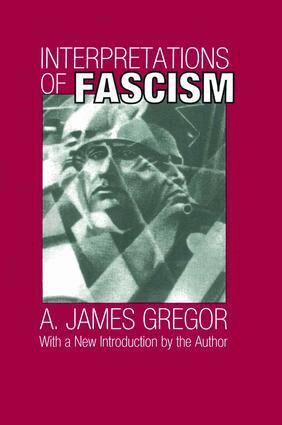
Interpretations of Fascism
Inbunden, 2017
2743 kr
Lägg i varukorg
This volume constitutes a survey of social science efforts to explain the fascist phenomenon. Attempts to adequately interpret fascism have involved an inordinate number of social researchers and historians for an inordinate amount of time over the past half century. For all that we still find …
Marxism, China, and Development
Reflections on Theory and Reality
Inbunden, 2017
2510 kr
Lägg i varukorg
China has always been something of a mystery to Westerners. For one genera-tion, Mao Zedong and his followers were simple "agrarian reformers," while for another they were the "communist emperor and his blue ants." In the 1970s, some of the finest Sinologists believed there was much the United …
Metascience and Politics
An Inquiry into the Conceptual Language of Political Science
Inbunden, 2018
2510 kr
Lägg i varukorg
A central problem in political inquiry is the conceptual and linguistic informality of political science. For most of its history, the discipline has been largely pursued with the analytic and logical machinery of ordinary language. Likewise, there has been little effort to standardize how language …
Methods of Housing Analysis
Techniques and Case Studies
Av A. James Gregor, James Hughes
Inbunden, 2017
2510 kr
Lägg i varukorg
In order to understand and formulate housing policy and programs, it is necessary to have a working knowledge of the internal economic operation of housing from the points of view of both the investor and the owner. James W. Hughes argues that investors' and owners' behavior and activity tend to be …
Phoenix
Fascism in Our Time
Inbunden, 2018
2743 kr
Lägg i varukorg
A great deal of effort has been expended by Anglo-American scholars in an attempt to isolate past and contemporary "fascisms," "neofascisms," "cryptofascisms," and "latent" fascisms in the modern world. A. James Gregor's Phoenix: Fascism in Our Time offers an insightful history of the intellectual …
L'IDEOLOGIA DEL FASCISMO - il fondamento razionale del totalitarismo
Av A. James Gregor, Marco Piraino
Häftad, 2013
538 kr
Lägg i varukorg
Sergio Panunzio - Il Sindacalismo Ed Il Fondamento Razionale Del Fascismo
Av Marco Piraino, A. James Gregor
Häftad, 2015
426 kr
Lägg i varukorg
Roberto Michels e L'ideologia Del Fascismo
Av Marco Piraino, A. James Gregor
Häftad, 2015
293 kr
Lägg i varukorg
Metascience and Politics
An Inquiry into the Conceptual Language of Political Science
E-bok, 2020
866 kr
Lägg i varukorg
A central problem in political inquiry is the conceptual and linguistic informality of political science. For most of its history, the discipline has been largely pursued with the analytic and logical machinery of ordinary language. Likewise, there has been little effort to standardize how language …
Metascience and Politics
An Inquiry into the Conceptual Language of Political Science
E-bok, 2020
866 kr
Lägg i varukorg
A central problem in political inquiry is the conceptual and linguistic informality of political science. For most of its history, the discipline has been largely pursued with the analytic and logical machinery of ordinary language. Likewise, there has been little effort to standardize how language …