A. Kim Clark - Böcker
Visar alla böcker från författaren A. Kim Clark. Handla med fri frakt och snabb leverans.
2 produkter
2 produkter
760 kr
Skickas inom 7-10 vardagar
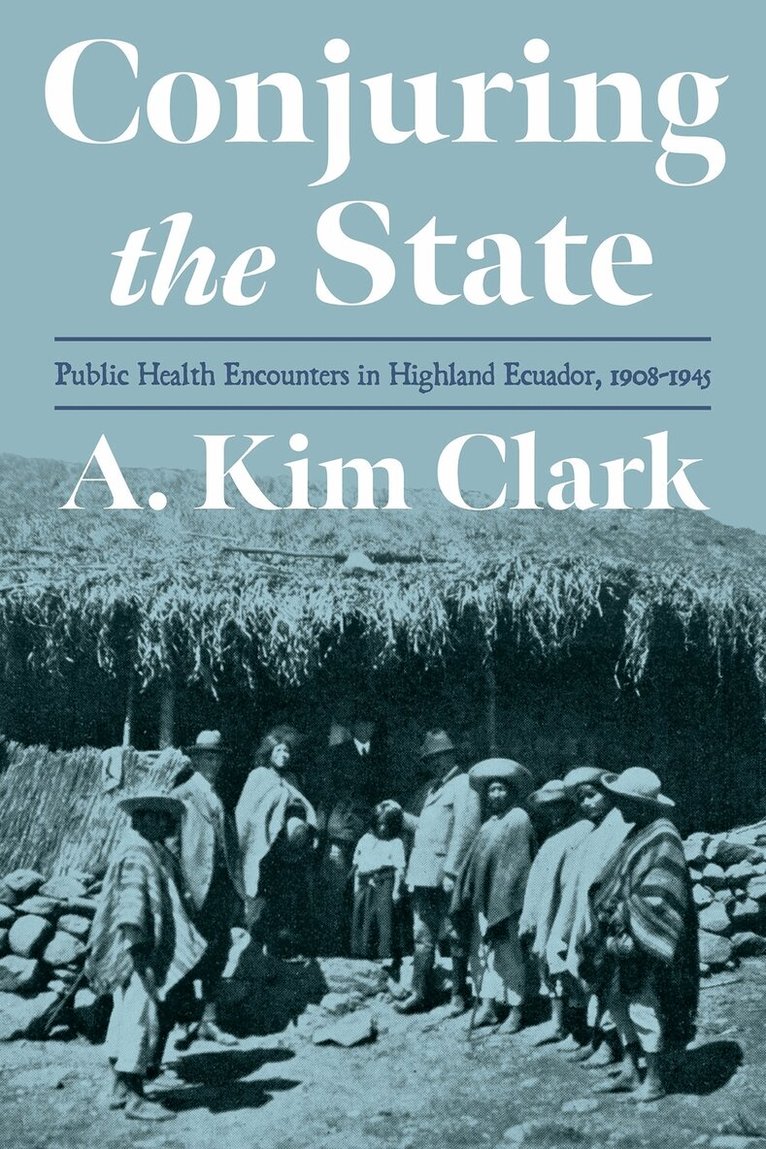
Winner, 2024 Best Book Prize, LASA Ecuadorian Studies SectionThe Ecuadorian Public Health Service was founded in 1908 in response to the arrival of bubonic plague to the country. A. Kim Clark uses this as a point of departure to explore questions of social history and public health by tracing how the service extended the reach of its broader programs across the national landscape and into domestic spaces. Delving into health conditions in the country—especially in the highlands—and efforts to combat disease, she shows how citizens’ encounters with public health officials helped make abstract ideas of state government tangible. By using public health as a window to understand social relations in a country deeply divided by region, class, and ethnicity, Conjuring the State examines the cultural, social, and political effects of the everyday practices of public health officials.
704 kr
Skickas inom 7-10 vardagar
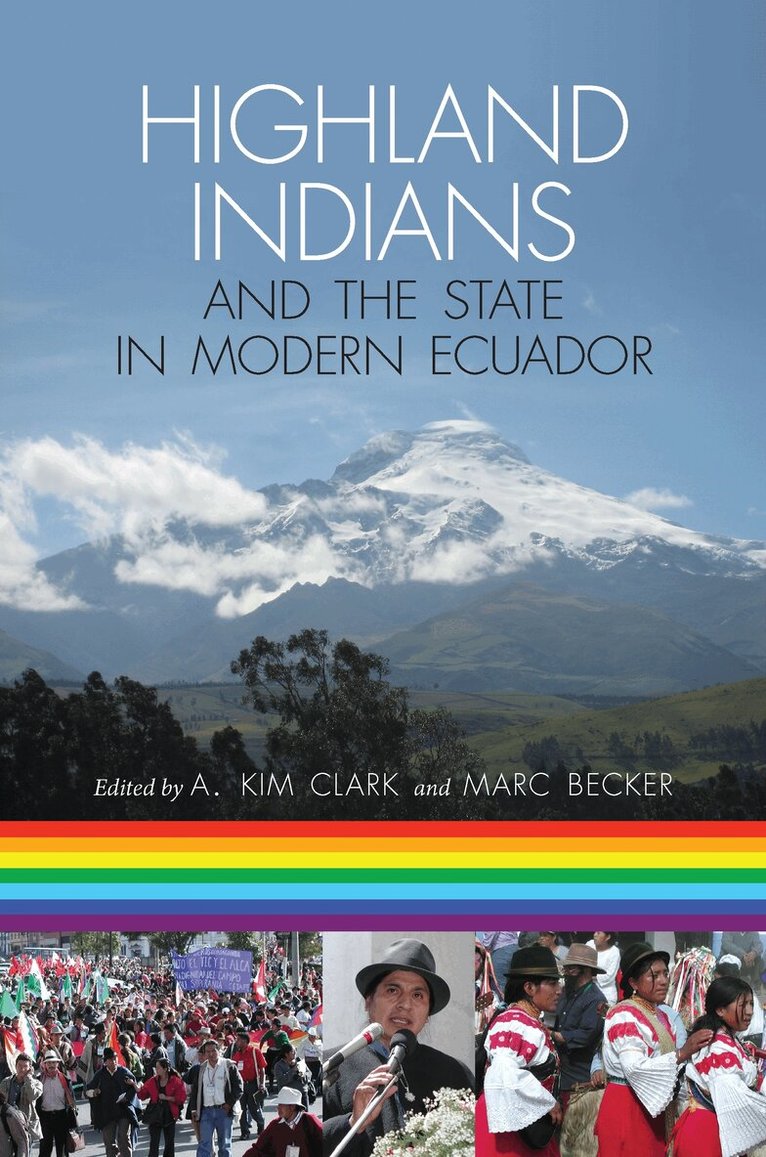
Highland Indians and the State in Modern Ecuador chronicles the changing forms of indigenous engagement with the Ecuadorian state since the early nineteenth century that, by the beginning of the twenty-first century, had facilitated the growth of the strongest unified indigenous movement in Latin America.Built around nine case studies from nineteenth- and twentieth-century Ecuador, Highland Indians and the State in Modern Ecuador presents state formation as an uneven process, characterized by tensions and contradictions, in which Indians and other subalterns actively participated. It examines how indigenous peoples have attempted, sometimes successfully, to claim control over state formation in order to improve their relative position in society. The book concludes with four comparative essays that place indigenous organizational strategies in highland Ecuador within a larger Latin American historical context. Highland Indians and the State in Modern Ecuador offers an interdisciplinary approach to the study of state formation that will be of interest to a broad range of scholars who study how subordinate groups participate in and contest state formation.