A. Morton – författare
Visar alla böcker från författaren A. Morton. Handla med fri frakt och snabb leverans.
6 produkter
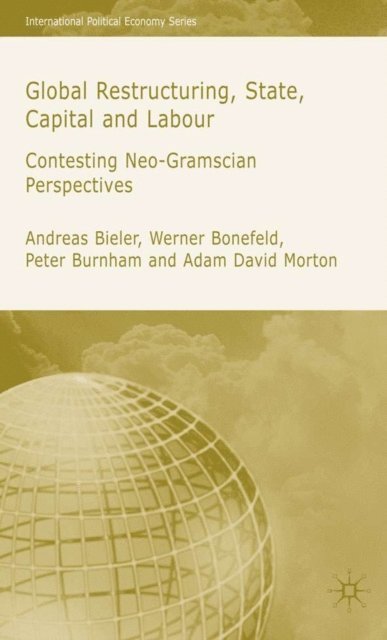
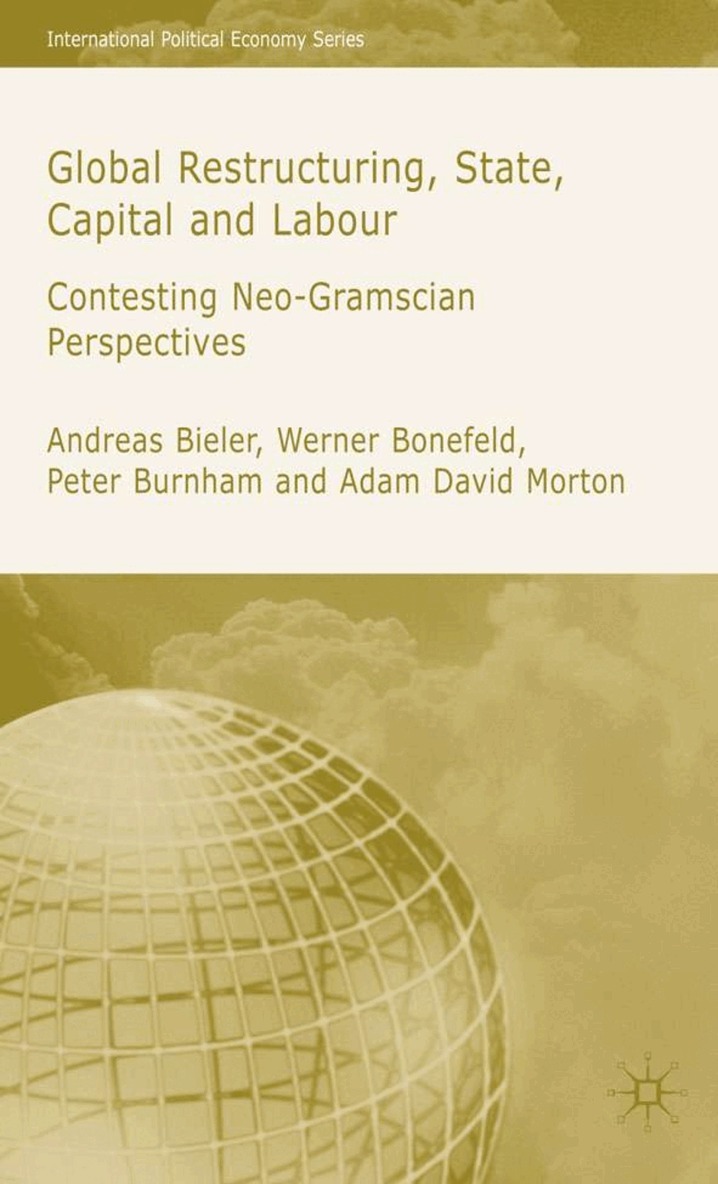
Global Restructuring, State, Capital and Labour
Contesting Neo-Gramscian Perspectives
Av A. Morton, P. Burnham m. fl.
E-bok, 2006
779 kr
Lägg i varukorg
This book provides a critical engagement between contending historical materialist approaches that have played a crucial role in shaping post-positivist International Relations theory. It analyzes globalization as a process of state formation and argues that its fate depends on the neo-liberal …
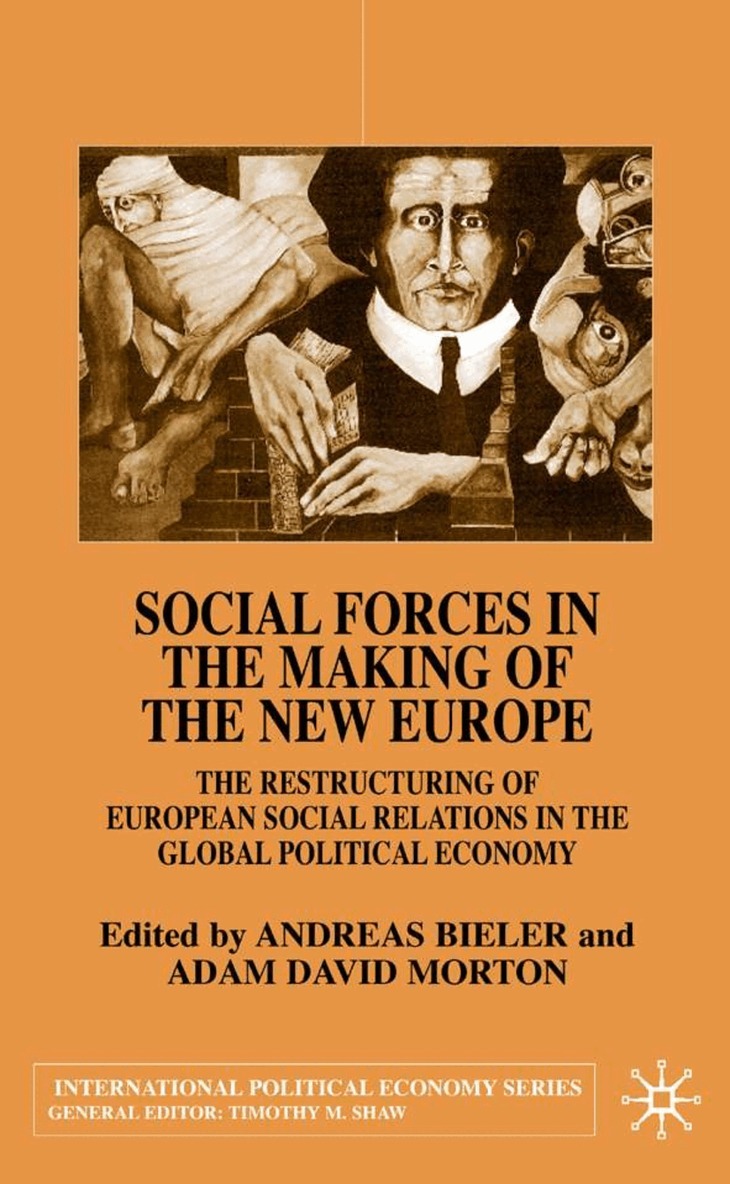
Social Forces in the Making of the New Europe
The Restructuring of European Social Relations in the Global Political Economy
Häftad, 2001
552 kr
Lägg i varukorg
The main argument of this book is that the revival of European integration in the mid-1980s and the emergence of a "New Europe" have to be analyzed against the background of globalization and the transnational restructuing of social forces since the early 1970s.
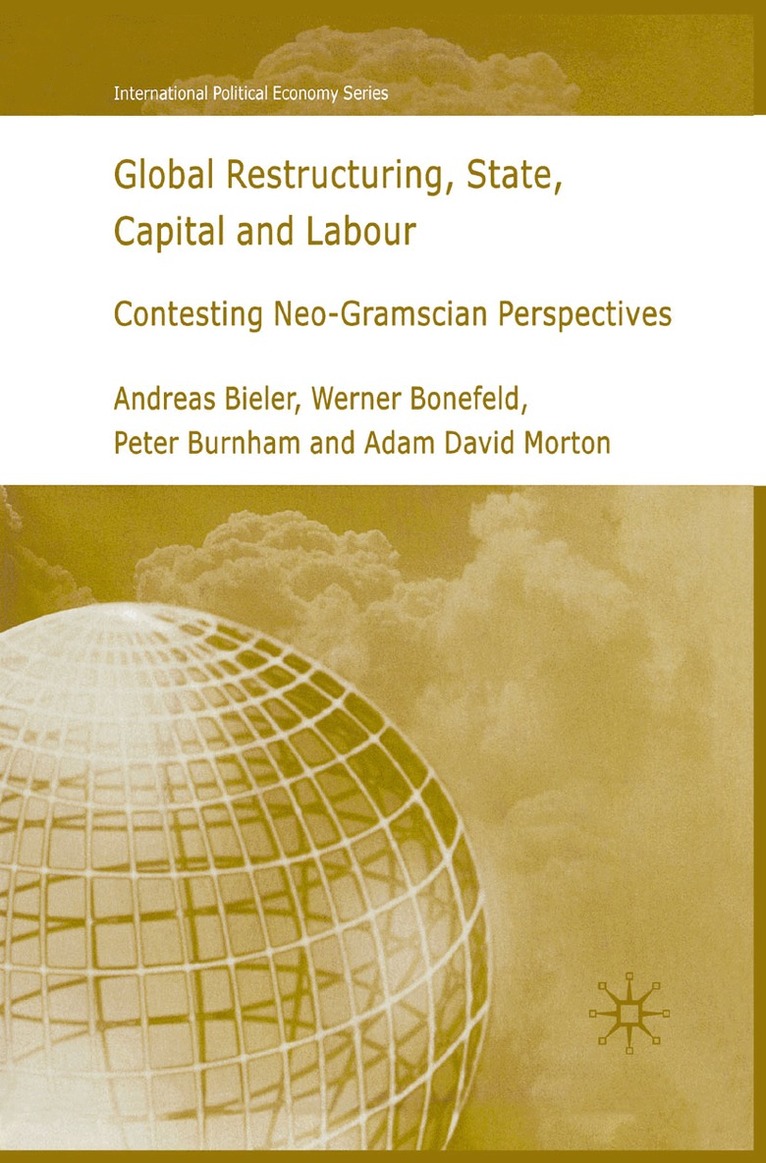
Global Restructuring, State, Capital and Labour
Contesting Neo-Gramscian Perspectives
Av A. Bieler, W. Bonefeld m. fl.
Häftad, 2006
552 kr
Lägg i varukorg
This book provides a critical engagement between contending historical materialist approaches that have played a crucial role in shaping post-positivist International Relations theory. It analyzes globalization as a process of state formation and argues that its fate depends on the neo-liberal …
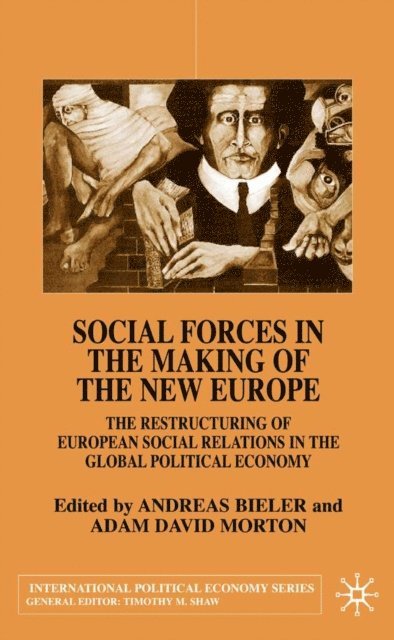
Social Forces in the Making of the New Europe
The Restructuring of European Social Relations in the Global Political Economy
E-bok, 2001
779 kr
Lägg i varukorg
The main argument of this book is that the revival of European integration in the mid-1980s and the emergence of a "New Europe" have to be analyzed against the background of globalization and the transnational restructuing of social forces since the early 1970s.
Global Restructuring, State, Capital and Labour
Contesting Neo-Gramscian Perspectives
Av A. Bieler, W. Bonefeld m. fl.
Inbunden, 2006
552 kr
Lägg i varukorg
This book provides a critical engagement between contending historical materialist approaches that have played a crucial role in shaping post-positivist International Relations theory. It analyzes globalization as a process of state formation and argues that its fate depends on the neo-liberal …