A. Nichols – författare
Visar alla böcker från författaren A. Nichols. Handla med fri frakt och snabb leverans.
8 produkter
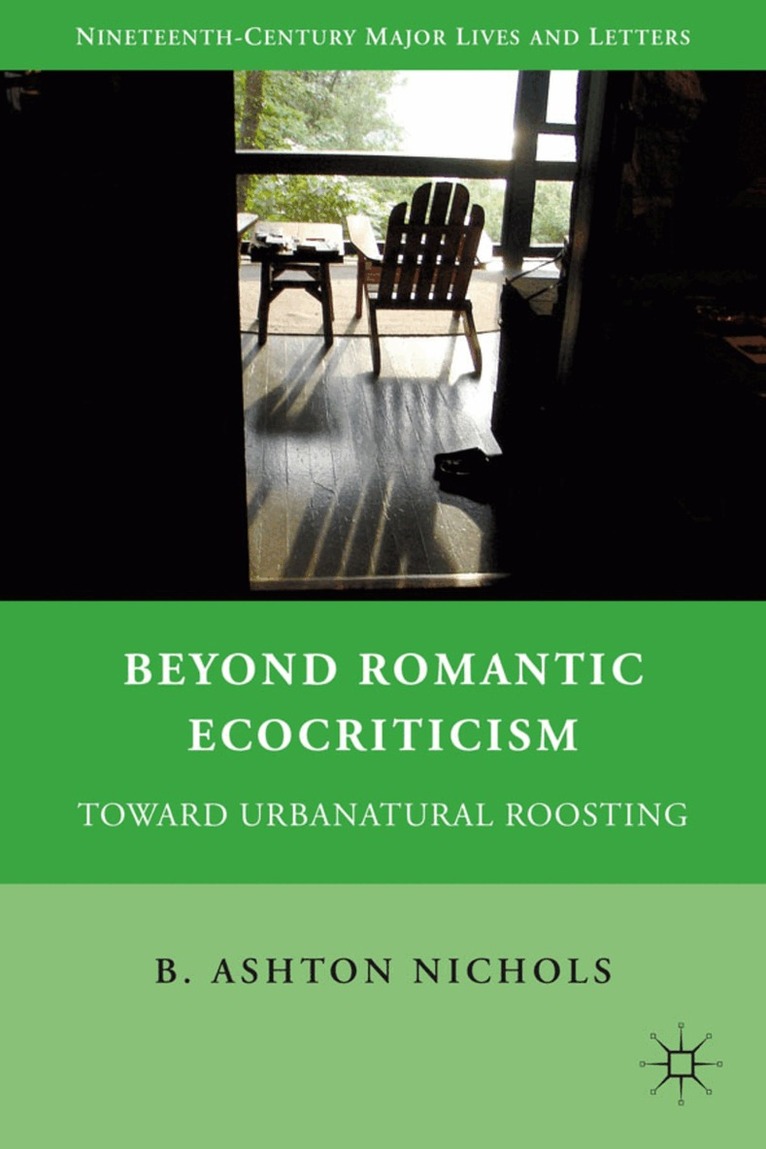
Beyond Romantic Ecocriticism
Toward Urbanatural Roosting
Av A. Nichols
Inbunden, 2011
634 kr
Lägg i varukorg
Nichols chronicles the Enlightenment view of 'Nature' as static and separate from humans as it moved towards the Romantic 'nature' characterized by dynamic links among all living things. Engaging Romantic and Victorian thinkers, as well as contemporary scholarship, he draws new conclusions about …
Beyond Romantic Ecocriticism
Toward Urbanatural Roosting
Av A. Nichols
E-bok, 2011
896 kr
Lägg i varukorg
Nichols chronicles the Enlightenment view of ''Nature'' as static and separate from humans as it moved towards the Romantic ''nature'' characterized by dynamic links among all living things. Engaging Romantic and Victorian thinkers, as well as contemporary scholarship, he draws new conclusions …
Revolutionary 'I'
Wordsworth and the Politics of Self-Presentation
Av A. Nichols
E-bok, 1998
1782 kr
Lägg i varukorg
In the winter of 1798-99, shut up in the freezing German town of Goslar, William Wordsworth began producing a series of lyrical fragments that appeared first in letters written to Coleridge and emerged eventually as source texts for The Prelude . These lyrics are revolutionary because they …
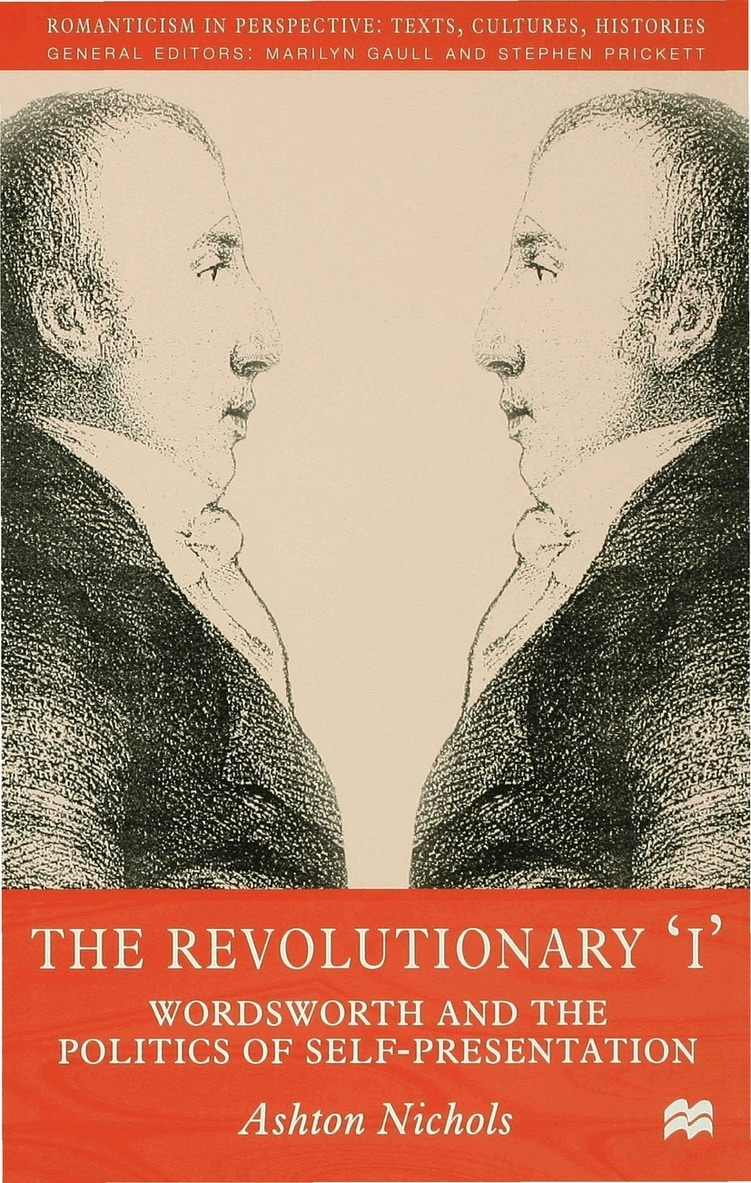
Revolutionary 'I'
Wordsworth and the Politics of Self-Presentation
Av A. Nichols
Inbunden, 1998
1260 kr
Lägg i varukorg
In the winter of 1798-99, shut up in the freezing German town of Goslar, William Wordsworth began producing a series of lyrical fragments that appeared first in letters written to Coleridge and emerged eventually as source texts for The Prelude . These lyrics are revolutionary because they …
Beyond Romantic Ecocriticism
Toward Urbanatural Roosting
Av A. Nichols
Häftad, 2012
693 kr
Lägg i varukorg
Nichols chronicles the Enlightenment view of 'Nature' as static and separate from humans as it moved towards the Romantic 'nature' characterized by dynamic links among all living things. Engaging Romantic and Victorian thinkers, as well as contemporary scholarship, he draws new conclusions about …
Beyond Romantic Ecocriticism
Toward Urbanatural Roosting
Av A. Nichols
Häftad, 2015
633 kr
Lägg i varukorg
Nichols chronicles the Enlightenment view of 'Nature' as static and separate from humans as it moved towards the Romantic 'nature' characterized by dynamic links among all living things. Engaging Romantic and Victorian thinkers, as well as contemporary scholarship, he draws new conclusions about …
Challenges to American National Security in the 1990s
Av J.J. Weltman, G.H. Quester m. fl.
E-bok, 2012
718 kr
Lägg i varukorg
The decade of the 1990s offers a chance to build a new and better international order. What policy choices will this decade pose for the United States? This wide-ranging volume of essays imaginatively addresses these crucial issues. The peaceful revolutions of 1989-1990 in the Soviet Union and …
Challenges to American National Security in the 1990s
Av M. Nacht, A. Nichols m. fl.
Häftad, 2012
552 kr
Lägg i varukorg
The decade of the 1990s offers a chance to build a new and better international order. What policy choices will this decade pose for the United States? This wide-ranging volume of essays imaginatively addresses these crucial issues. The peaceful revolutions of 1989-1990 in the Soviet Union and …