
A. Ross Curtis – författare
Visar alla böcker från författaren . Handla med fri frakt och snabb leverans.
3 produkter
3 produkter
710 kr
Läs direkt efter köp
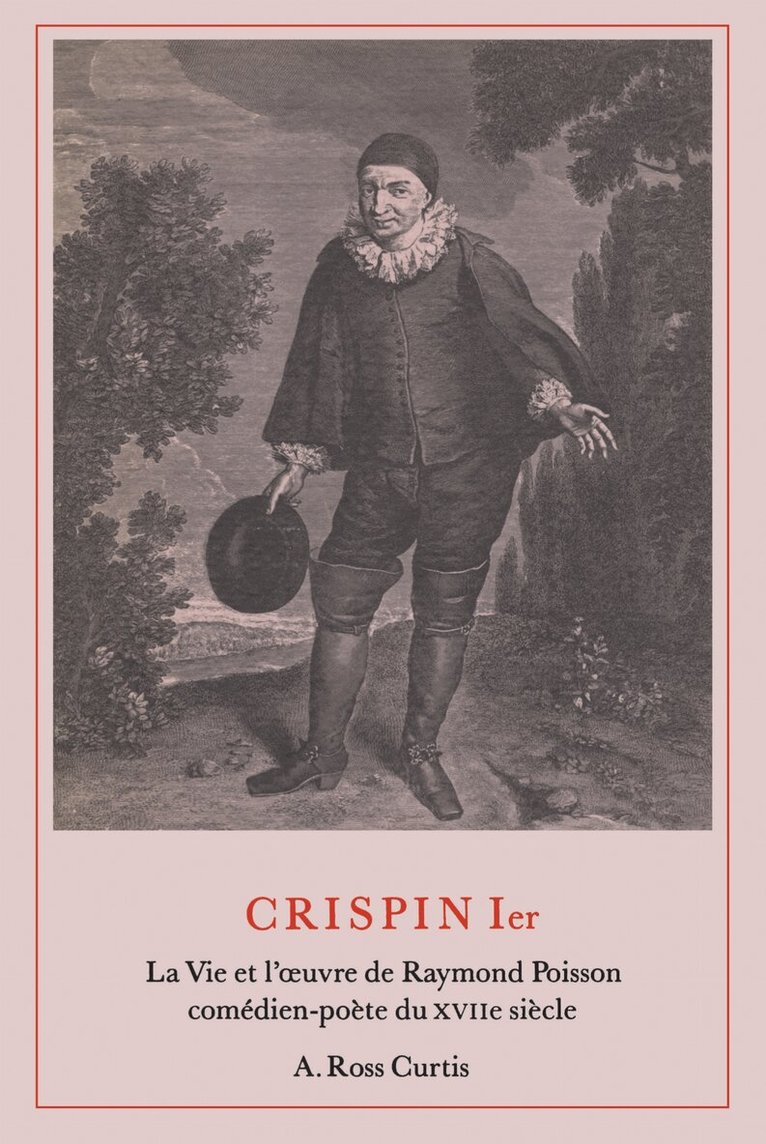
Raymond Poisson, a contemporary of Molière, was the leading comic actor with the troupe of the Hôtel de Bourgogne and later at the Comédie Française during the first five years of its existence. He popularized one of the French stage's best-loved stock characters, the impudent servant Crispin, while finding time to supply his troupe with short comedies in which he himself starred. This study is thoroughly documented and reflects the author's detailed knowledge of, and interest in, the period. It establishes Poisson's place in theatrical history, and illuminates a whole tradition in French theatre in the seventeenth century.
Häftad, Engelska, 1972
528 kr
Skickas inom 5-8 vardagar
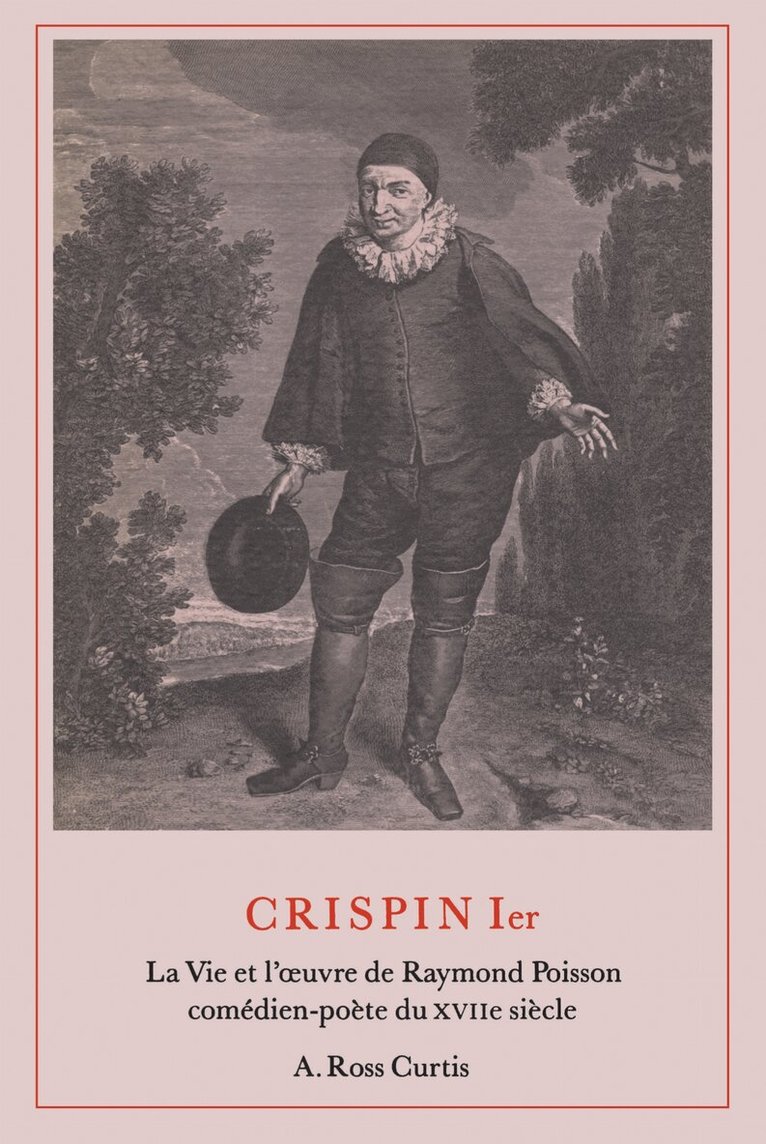
Raymond Poisson, a contemporary of Molière, was the leading comic actor with the troupe of the Hôtel de Bourgogne and later at the Comédie Française during the first five years of its existence. He popularized one of the French stage's best-loved stock characters, the impudent servant Crispin, while finding time to supply his troupe with short comedies in which he himself starred. This study is thoroughly documented and reflects the author's detailed knowledge of, and interest in, the period. It establishes Poisson's place in theatrical history, and illuminates a whole tradition in French theatre in the seventeenth century.
E-bok
PDF, Engelska, 1972601 kr
Läs direkt efter köp
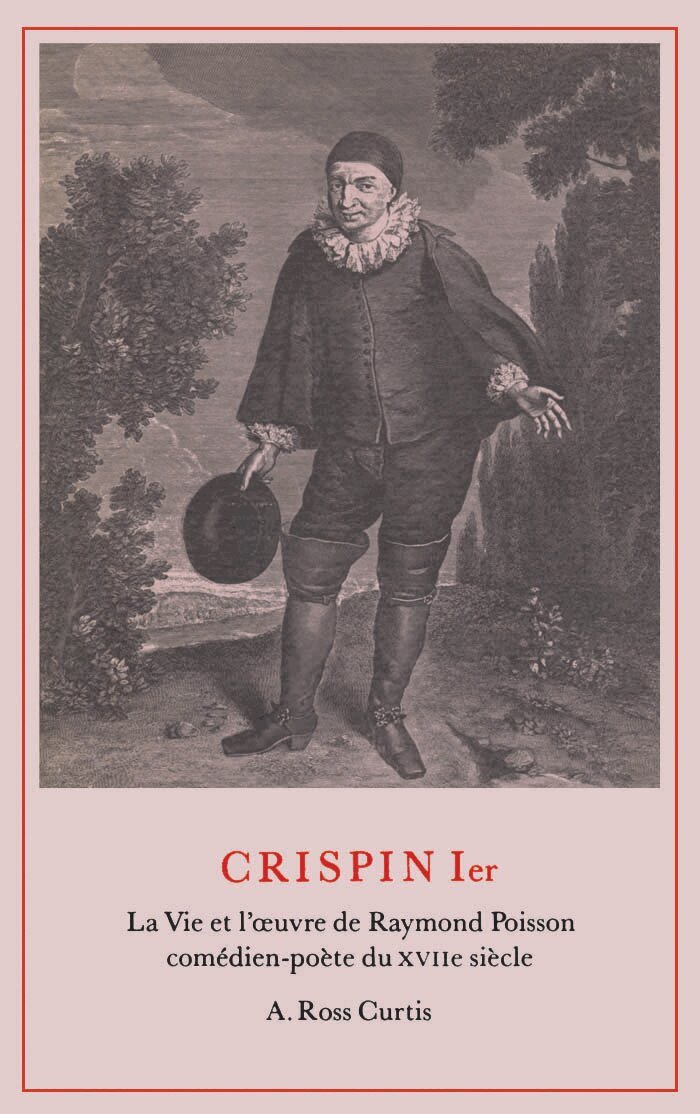
Raymond Poisson, a contemporary of Molière, was the leading comic actor with the troupe of the Hôtel de Bourgogne and later at the Comédie Française during the first five years of its existence. He popularized one of the French stage's best-loved stock characters, the impudent servant Crispin, while finding time to supply his troupe with short comedies in which he himself starred. This study is thoroughly documented and reflects the author's detailed knowledge of, and interest in, the period. It establishes Poisson's place in theatrical history, and illuminates a whole tradition in French theatre in the seventeenth century.