Aaron F. Brantly - Böcker
Visar alla böcker från författaren Aaron F. Brantly. Handla med fri frakt och snabb leverans.
3 produkter
3 produkter
688 kr
Skickas inom 7-10 vardagar
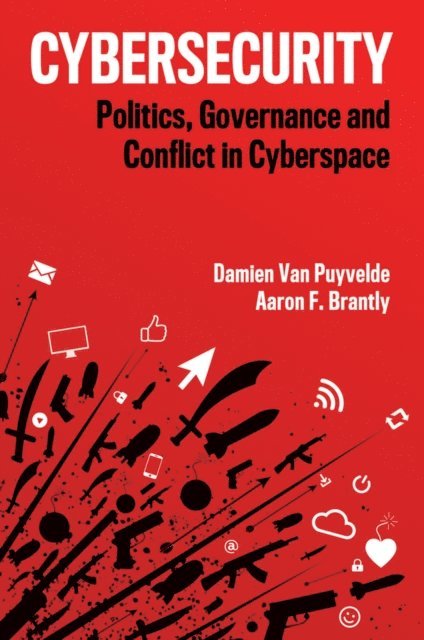
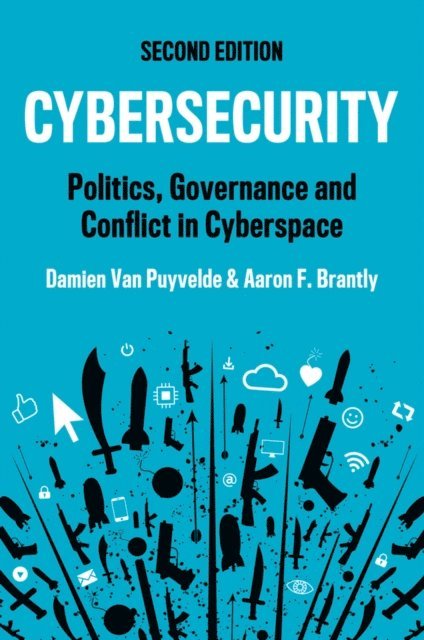
In the last decade, the proliferation of billions of new Internet-enabled devices and users has significantly expanded concerns about cybersecurity. How much should we worry about cyber threats and their impact on our lives, society and international affairs? Are these security concerns real, exaggerated or just poorly understood?In this fully revised and updated second edition of their popular text, Damien Van Puyvelde and Aaron F. Brantly provide a cutting-edge introduction to the key concepts, controversies and policy debates in cybersecurity today. Exploring the interactions of individuals, groups and states in cyberspace, and the integrated security risks to which these give rise, they examine cyberspace as a complex socio-technical-economic domain that fosters both great potential and peril. Across its ten chapters, the book explores the complexities and challenges of cybersecurity using new case studies – such as NotPetya and Colonial Pipeline – to highlight the evolution of attacks that can exploit and damage individual systems and critical infrastructures. This edition also includes “reader’s guides” and active-learning exercises, in addition to questions for group discussion. Cybersecurity is essential reading for anyone interested in understanding the challenges and opportunities presented by the continued expansion of cyberspace.
244 kr
Skickas inom 7-10 vardagar
In the last decade, the proliferation of billions of new Internet-enabled devices and users has significantly expanded concerns about cybersecurity. How much should we worry about cyber threats and their impact on our lives, society and international affairs? Are these security concerns real, exaggerated or just poorly understood?In this fully revised and updated second edition of their popular text, Damien Van Puyvelde and Aaron F. Brantly provide a cutting-edge introduction to the key concepts, controversies and policy debates in cybersecurity today. Exploring the interactions of individuals, groups and states in cyberspace, and the integrated security risks to which these give rise, they examine cyberspace as a complex socio-technical-economic domain that fosters both great potential and peril. Across its ten chapters, the book explores the complexities and challenges of cybersecurity using new case studies – such as NotPetya and Colonial Pipeline – to highlight the evolution of attacks that can exploit and damage individual systems and critical infrastructures. This edition also includes “reader’s guides” and active-learning exercises, in addition to questions for group discussion. Cybersecurity is essential reading for anyone interested in understanding the challenges and opportunities presented by the continued expansion of cyberspace.
581 kr
Skickas inom 10-15 vardagar
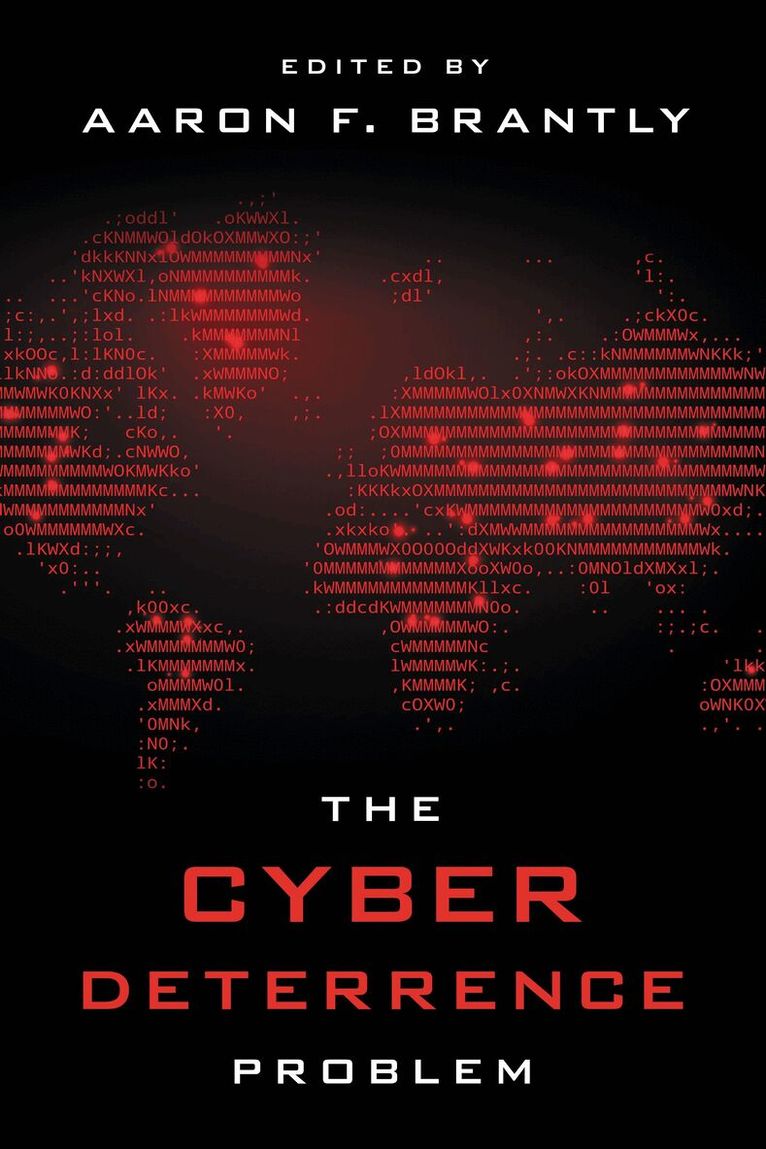
The national security of the United States depends on a secure, reliable and resilient cyberspace. The inclusion of digital systems into every aspect of US national security has been underway since World War II and has increased with the proliferation of Internet-enabled devices. There is an increasing need to develop a robust deterrence framework within which the United States and its allies can dissuade would-be adversaries from engaging in various cyber activities. Yet despite a desire to deter adversaries, the problems associated with dissuasion remain complex, multifaceted, poorly understood and imprecisely specified. Challenges, including credibility, attribution, escalation and conflict management, remain ever-present and challenge the United States in its efforts to foster security in cyberspace. These challenges need to be addressed in a deliberate and multidisciplinary approach that combines political and technical realities to provide a robust set of policy options to decision makers.The Cyber Deterrence Problem brings together a multidisciplinary team of scholars with expertise in computer science, deterrence theory, cognitive psychology, intelligence studies and conflict management to analyze and develop a robust assessment of the necessary requirements and attributes for achieving deterrence in cyberspace. Beyond simply addressing the base challenges associated with deterrence, many of the chapters also propose strategies and tactics to enhance deterrence in cyberspace and emphasize conceptualizing how the United States deters adversaries.