Abbas Vali – författare
Visar alla böcker från författaren Abbas Vali. Handla med fri frakt och snabb leverans.
7 produkter
7 produkter
E-bok
PDF, Engelska, 2014481 kr
Läs direkt efter köp
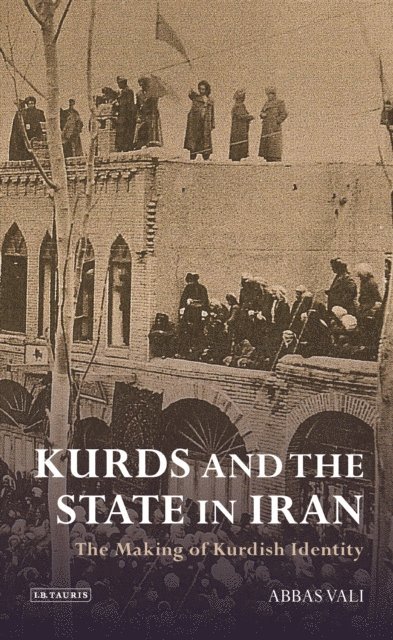
In early 1946, Kurds declared an independent republic in north-west Iran. The Mahabad Republic, as it became known, was the first time that the Kurds experienced self-rule in the modern era. Although short-lived, the Republic had a formative influence on the subsequent development of Kurdish nationalist movements in Iran and the wider region. Here, Abbas Vali disputes the conventional view that the Kurdish Republic was the result of a Soviet conspiracy to dismember Iran, a side-effect of the Cold War. Instead he emphasizes the diversity of the internal Iranian and Kurdish factors that led to the formation of the Republic, arguing that the Republic represents the culmination of a new and modern Kurdish national identity. This was an identity which emerged in response to the exclusionary effects of the political and discursive processes and practices of the construction of a modern Iranian nation-state and national identity since the Constitutional Revolution of 1906, which often excluded and attempted to override a Kurdish one. Vali contends that this process, largely due to the socio-economic and cultural impact of the rule of Pahlavis, in reality forced the Kurdish people of Iran to form and reinforce their own ethno-linguistic and ethno-national community. The expressions of this separate identity can be traced through the formation and dissolution of Kurdish national parties, such as the Kurdistan Democratic Party of Iran (KDPI). 'Kurds and the State in Iran' offers an analysis of the formation and effects of the concepts of the state, the nation, nationalism and ethnic identity, which go beyond current ethnicist and constructivist theories, thus making it essential reading for anyone interested in the Kurds or the development of national and state identities in the Middle East.
E-bok
Engelska, 2014481 kr
Läs direkt efter köp
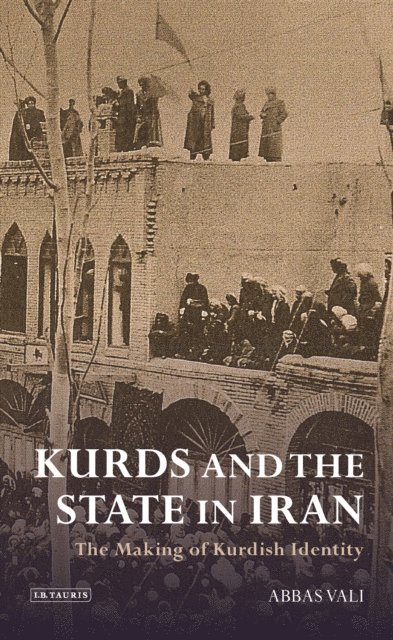
In early 1946, Kurds declared an independent republic in north-west Iran. The Mahabad Republic, as it became known, was the first time that the Kurds experienced self-rule in the modern era. Although short-lived, the Republic had a formative influence on the subsequent development of Kurdish nationalist movements in Iran and the wider region. Here, Abbas Vali disputes the conventional view that the Kurdish Republic was the result of a Soviet conspiracy to dismember Iran, a side-effect of the Cold War. Instead he emphasizes the diversity of the internal Iranian and Kurdish factors that led to the formation of the Republic, arguing that the Republic represents the culmination of a new and modern Kurdish national identity. This was an identity which emerged in response to the exclusionary effects of the political and discursive processes and practices of the construction of a modern Iranian nation-state and national identity since the Constitutional Revolution of 1906, which often excluded and attempted to override a Kurdish one. Vali contends that this process, largely due to the socio-economic and cultural impact of the rule of Pahlavis, in reality forced the Kurdish people of Iran to form and reinforce their own ethno-linguistic and ethno-national community. The expressions of this separate identity can be traced through the formation and dissolution of Kurdish national parties, such as the Kurdistan Democratic Party of Iran (KDPI). 'Kurds and the State in Iran' offers an analysis of the formation and effects of the concepts of the state, the nation, nationalism and ethnic identity, which go beyond current ethnicist and constructivist theories, thus making it essential reading for anyone interested in the Kurds or the development of national and state identities in the Middle East.
Inbunden, Engelska, 1993
2 005 kr
Skickas inom 10-15 vardagar
What kind of society was Iran before the constitutional revolution of 1906, feudal or despotic and ‘asiatic’? In this book, the first of its kind, Dr Vali critically assesses both arguments, examining the works of high social theory from which this long-running controversy derives and developing new concepts for the analysis of state and social relations in pre-capitalist Iran. He also paints an illuminating portrait of politics and society in Qajar Iran.
Inbunden, 2028
667 kr
Kommande
The Kurds live under the jurisdiction of four sovereign states, Iran, Iraq, Turkey and Syria, which deny their national identity and suppress its political and cultural manifestations. This work looks at Kurdish nationalism in the wider perspective of stateless nations.
Inbunden, Engelska, 2019
821 kr
Skickas inom 10-15 vardagar
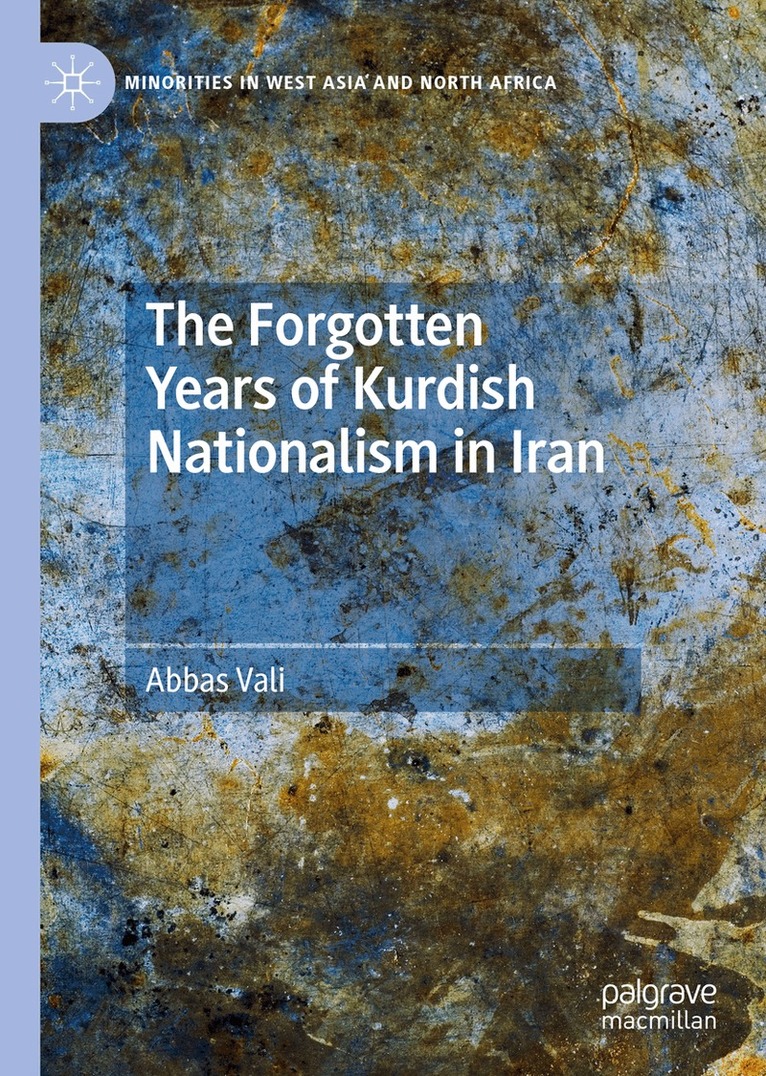
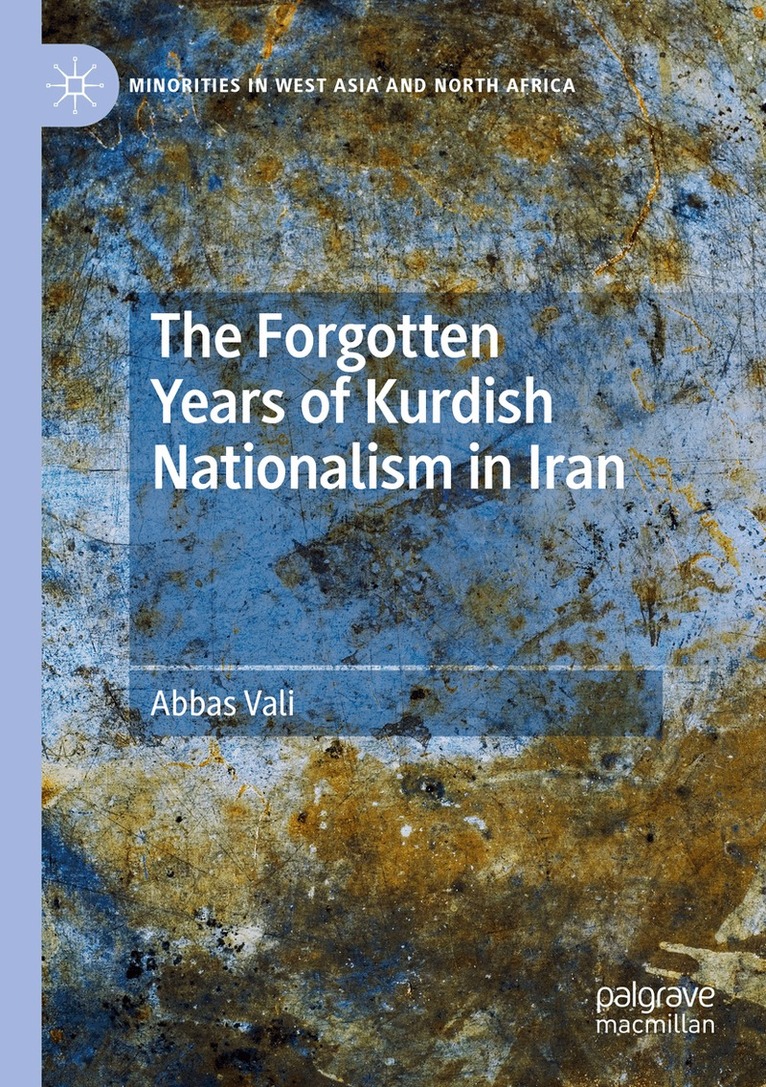
This book investigates the forgotten years of Kurdish nationalism in Iran, from the fall of the Kurdish republic to the advent of the Iranian revolution. An original and path-breaking investigation of the period, it sheds light not only on the historical specificity of the phenomenon of nationalism in exile, but also on the political processes and practices defining the development of Kurdish nationalism in the post-revolutionary era. Although nationalist landmarks such as the Kurdish republic in 1946 and the resurgence of the movement in the revolutionary conjuncture of 1978-79 have attracted the attention of historians and social scientists in recent years, little is known about the three decades of Kurdish nationalism in exile between these two events. This analysis draws on contemporary poststructuralist theory to question the concept of the minority in democratic and constitutional theory, arguing that it is an effect of the discursive linkage between sovereign power and the dominant ethnic-linguistic identity in the nation-state. This text will appeal to a wide academic audience ranging from the fields of Kurdish, Iranian and Middle East Studies to ethnicity, nationalism, government, and political science.
E-bok
Engelska, 2019687 kr
Läs direkt efter köp
This book investigates the forgotten years of Kurdish nationalism in Iran, from the fall of the Kurdish republic to the advent of the Iranian revolution. An original and path-breaking investigation of the period, it sheds light not only on the historical specificity of the phenomenon of nationalism in exile, but also on the political processes and practices defining the development of Kurdish nationalism in the post-revolutionary era. Although nationalist landmarks such as the Kurdish republic in 1946 and the resurgence of the movement in the revolutionary conjuncture of 1978-79 have attracted the attention of historians and social scientists in recent years, little is known about the three decades of Kurdish nationalism in exile between these two events. This analysis draws on contemporary poststructuralist theory to question the concept of the minority in democratic and constitutional theory, arguing that it is an effect of the discursive linkage between sovereign power and the dominant ethnic-linguistic identity in the nation-state. This text will appeal to a wide academic audience ranging from the fields of Kurdish, Iranian and Middle East Studies to ethnicity, nationalism, government, and political science.
Häftad, Engelska, 2020
550 kr
Skickas inom 10-15 vardagar
This book investigates the forgotten years of Kurdish nationalism in Iran, from the fall of the Kurdish republic to the advent of the Iranian revolution. An original and path-breaking investigation of the period, it sheds light not only on the historical specificity of the phenomenon of nationalism in exile, but also on the political processes and practices defining the development of Kurdish nationalism in the post-revolutionary era. Although nationalist landmarks such as the Kurdish republic in 1946 and the resurgence of the movement in the revolutionary conjuncture of 1978-79 have attracted the attention of historians and social scientists in recent years, little is known about the three decades of Kurdish nationalism in exile between these two events. This analysis draws on contemporary poststructuralist theory to question the concept of the minority in democratic and constitutional theory, arguing that it is an effect of the discursive linkage between sovereign power and the dominant ethnic-linguistic identity in the nation-state. This text will appeal to a wide academic audience ranging from the fields of Kurdish, Iranian and Middle East Studies to ethnicity, nationalism, government, and political science.